
Indo Islamic Heritage


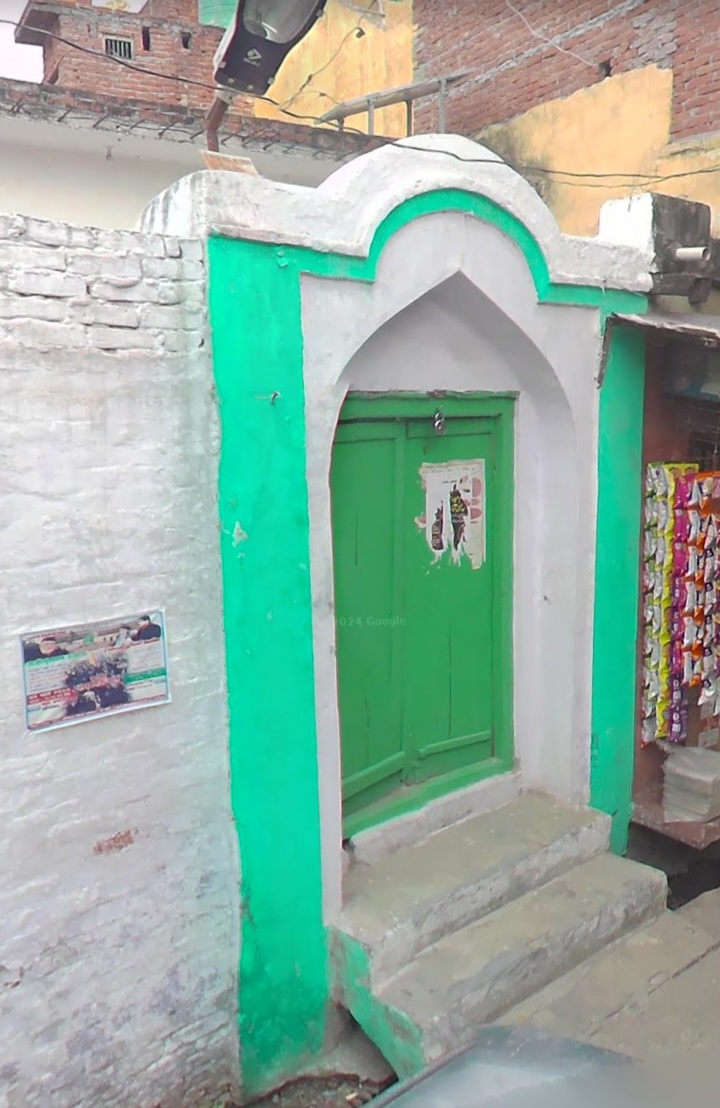
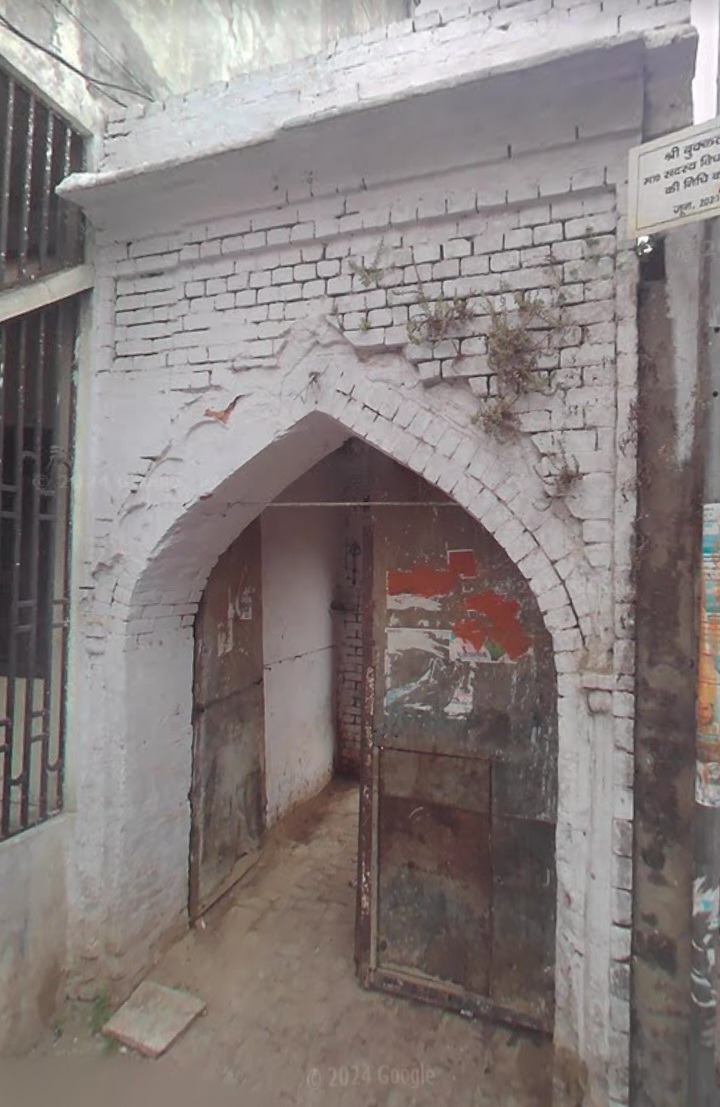
Azakhana Ghulam Sharfuddin, located in Mohalla Maja Pota, Amroha, Uttar Pradesh, is a historic Shia Islamic assembly hall (azakhana) associated with the revered Sufi saint Syed Hussain Sharfuddin Shah Wilayat Naqvi. Built in the early 19th century, it serves as a place for religious gatherings, particularly during Muharram observances, and reflects the rich Naqvi Sadat heritage of Amroha, where descendants of the saint have maintained Shia traditions since the 13th century.
Azakhana Ghulam Sharfuddin is a significant Shia religious site in the historic town of Amroha, Uttar Pradesh, embodying the spiritual legacy of the Naqvi Sayyids who have shaped the region's Islamic culture for centuries. Situated in Mohalla Maja Pota, this azakhana functions as a dedicated space for Shia rituals, including majlis (mourning assemblies) commemorating the martyrdom of Imam Hussain, and houses relics or standards (alam) linked to the saint's lineage. The structure is part of Amroha's broader network of Shia monuments, which trace their origins to the arrival of Syed Hussain Sharfuddin Shah Wilayat Naqvi from Wasit, Iraq, around 1272 CE (670 AH), during the Delhi Sultanate era under Sultan Ghiyasuddin Balban. As a prominent 13th-century Sufi of the Suhrawardi order and a descendant of Imam Ali al-Naqi, Shah Wilayat settled in Amroha, preaching universal love, compassion, and Islamic teachings, which attracted followers from diverse faiths and established the town as a center of Naqvi Sadat settlements—one of the oldest in India. The azakhana itself was constructed in the early 19th century, around 1811 CE, amid the architectural patronage of local Shia nobility during the late Mughal and early British periods. It was built by or in honor of figures connected to the saint's descendants, such as Musammat Wazeer-un-Nisa (a prominent Shia benefactress in Amroha), reflecting the community's devotion to preserving Shia practices in a region known for its Ganga-Jamuna tehzeeb (syncretic Hindu-Muslim culture). The building features typical Indo-Islamic elements, including arched doorways and spaces for alam processions, and is adjacent to other Shia sites like Imambargah Wazir-un-Nisa in nearby Danishmandan Mohalla. Historical records, including local chronicles like Tarikh-i-Amroha, highlight how such azakhanas were central to Amroha's Muharram observances, which drew participants from Sunni and Hindu communities, fostering communal harmony. The site's enduring role underscores the Naqvi Sayyids' contributions as military and spiritual leaders under Mughal rule, where they protected Amroha from invasions, such as during the Maratha incursions in the 18th century.
Year of Built: Not Available
Address: WF49+2QC, Mohalla Maja Pota, Amroha, Uttar Pradesh 244221
Country: India
State: Uttar Pradesh
District: Amroha
Pincode: 244221
Longitude: 78.4650° E
Latitude: 28.9024° N