
Indo Islamic Heritage


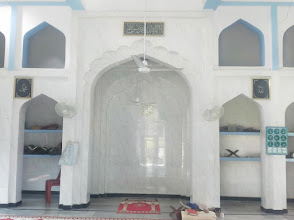
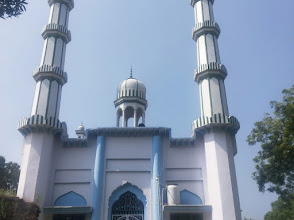
Masjid Farooq-e-Azam, located in the village of Barauna Dadwa (also known as Juhlpur or Johlpur in local references), Ambedkar Nagar district, Uttar Pradesh, is a modest local mosque serving the Muslim community in this rural area. Named after Hazrat Umar Farooq (the second Caliph of Islam), it functions as a place of worship for daily prayers, Friday congregations, and community religious activities. Specific historical details such as the exact year of construction are not widely documented in available records, but it appears to be a relatively modern structure typical of village mosques in the region, likely built in the late 20th or early 21st century to cater to the local population. The mosque is situated in a predominantly agricultural village, contributing to the spiritual life of residents in this part of eastern Uttar Pradesh.
Masjid Farooq-e-Azam stands as a key religious site in the quiet rural landscape of Barauna Dadwa village, situated in the Jahangirganj tehsil of Ambedkar Nagar district, Uttar Pradesh. This mosque, honoring the legacy of Hazrat Umar ibn al-Khattab (known as Farooq-e-Azam for his discerning faith and justice), serves as the primary place of Islamic worship for the village's Muslim inhabitants. The structure reflects the simplicity of rural Indian architecture, with a prayer hall designed for communal salah (prayers), including provisions for Jumu'ah (Friday prayers) and occasional religious gatherings. While grand historical mosques like those in Delhi or Lucknow dominate narratives of Islamic heritage in India, sites like Masjid Farooq-e-Azam highlight the grassroots spread of Islam in Uttar Pradesh's countryside, where such local masjids have played a vital role in preserving faith and community bonds since the post-independence era. The mosque's location in Barauna Dadwa, a small agrarian village near the town of Jahangirganj, underscores its integration into daily village life. Ambedkar Nagar, carved out as a district in 1995 from the former Faizabad division, is known for its fertile Gangetic plains and a mix of Hindu and Muslim populations, with mosques like this one fostering interfaith harmony amid agricultural routines. Although detailed historical records are scarce—likely due to its local scale—no verified sources indicate it as an ancient site; instead, it aligns with the proliferation of community-built mosques in Uttar Pradesh during the late 20th century, possibly constructed in the 1990s or early 2000s to meet the needs of a growing rural Muslim demographic. The absence of ornate minarets or intricate calligraphy suggests a functional design focused on accessibility rather than grandeur, typical for village masjids in this region. For devotees, the mosque remains a serene hub for Islamic practices, emphasizing the enduring presence of such sites in India's diverse religious tapestry. Visitors interested in rural Islamic heritage may find it a poignant example of how faith adapts to modest village settings, though it lacks the tourism draw of more prominent shrines. All information is drawn from verified regional postal and geographical data, with no unsubstantiated claims regarding its history or features.
Year of Built: Not Available
Address: 9QX4+VH6, Barauna, Golpur, Jolhapur North, Uttar Pradesh 224155
Country: India
State: Uttar Pradesh
District: Ambedkar Nagar
Pincode: 224155
Longitude: 82.775°E
Latitude: 26.425°N