
Indo Islamic Heritage


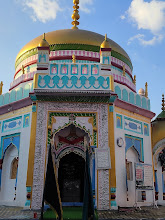
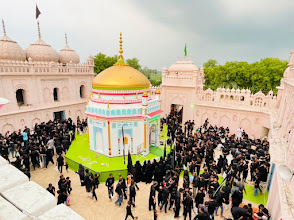
Badi Dargah in Jalalpur, Ambedkar Nagar, Uttar Pradesh, is a revered Sufi shrine associated with Islamic spiritual heritage in the region. It serves as a site for devotion, reflecting the historical Islamic influence in Uttar Pradesh during the Mughal era. The dargah attracts pilgrims seeking blessings and is part of the broader network of historical Islamic sites in the district.
. The Badi Dargah, located in the town of Jalalpur within Ambedkar Nagar district, stands as a poignant Shia Islamic landmark in Uttar Pradesh, embodying the spiritual and historical essence of the region's Islamic heritage. Often referred to as a "Shia Karbala," this shrine is dedicated to the memory of the martyrs of the Battle of Karbala (680 CE), particularly Imam Hussain ibn Ali, the grandson of Prophet Muhammad. It functions as a symbolic replica of the sacred Karbala site in Iraq, where Shia Muslims gather for mourning rituals, especially during the month of Muharram. Devotees participate in majlis (gatherings for recitation of elegies), processions carrying tazias (elaborate papier-mâché replicas representing the martyrs' tombs), and other observances that highlight themes of sacrifice, justice, and resistance against tyranny—core tenets of Shia Islam. Jalalpur itself has deep historical roots, emerging as a settlement during the Mughal era. In 1566 CE, Emperor Akbar visited the area, which was then a forested region along the Tamsa River (also known as Tons). He constructed a mosque near what is now Tehsil Tirahe and established townships, including Jalalpur, named possibly after his association or a local figure. This period marked the integration of Islamic architectural and religious elements into the landscape, with Muslim rulers later building imambadas (assembly halls for Shia rituals), mosques, and dargahs. The Badi Dargah likely developed within this context, as Ambedkar Nagar's history reflects a blend of Sufi and Shia influences, with sites like this serving as centers for communal harmony and devotion. The district's official records note several historical dargahs, including those in nearby Kichhaucha Sharif, underscoring the area's longstanding Islamic significance. As a Shia-specific site, Badi Dargah is distinct from Sunni Sufi shrines, focusing on the Karbala narrative rather than a single saint's tomb. It attracts pilgrims from across Uttar Pradesh and neighboring states, particularly during Urs-like commemorations tied to Muharram, where the shrine's courtyard hosts rituals emphasizing the Imams' legacy. The structure, though not elaborately documented in architectural terms, features typical Shia elements such as a central mausoleum, possibly with mihrabs (prayer niches) oriented towards Mecca, and spaces for collective mourning. Its role as a "Karbala" mirrors other Indian Shia sites, like Delhi's Shah-e-Mardan Dargah, where tazias are interred post-processions. In the broader context of India's historical Islamic sites, Badi Dargah contributes to Uttar Pradesh's rich tapestry of Shia heritage, alongside landmarks like Lucknow's Bara Imambara. It remains a verified focal point for religious observance, with no unsubstantiated legends attached in official district histories, emphasizing its role in fostering spiritual reflection and community unity among Shia Muslims.
Year of Built: Not Available
Address: 8Q65+83J, Usmanpur Dehat, Uttar Pradesh 224149
Country: India
State: Uttar Pradesh
District: Ambedkar Nagar
Pincode: 224149
Longitude: 82.739669° E
Latitude: 26.310248° N