
Indo Islamic Heritage


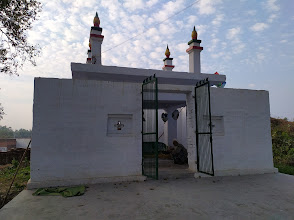
Warsi Dargah, located in Ichhapur village (also spelled Ichapur or similar local variants) in Ambedkar Nagar district, Uttar Pradesh, is a modest Sufi shrine associated with the broader Warsi Sufi order. It serves as a place of reverence for local Muslim devotees, emphasizing spiritual reflection and community gatherings. The site reflects the historical Islamic presence in the region, though specific details on its founding saint or exact construction remain sparsely documented in public records. It is situated in a rural area near Akbarpur, the district headquarters, and attracts visitors seeking blessings for personal and communal well-being.
Warsi Dargah in Ichhapur, Ambedkar Nagar, Uttar Pradesh, represents a quiet yet significant Islamic heritage site in the rural landscape of eastern Uttar Pradesh. The dargah is linked to the Warsi Sufi tradition, which traces its origins to the 19th-century Sufi saint Haji Waris Ali Shah (1817–1905), founder of the Warsi order, whose main shrine is in Dewa Sharif, Barabanki district. While the primary Warsi Dargah is in Dewa, local traditions and historical references suggest that Ichhapur's site may honor a branch or disciple of this order, serving as a secondary pilgrimage spot for nearby communities. Ambedkar Nagar district, formed in 1995 from parts of the former Faizabad district, has a rich history of Islamic sites dating back to the Mughal era, with influences from Sufi saints who promoted peace and interfaith harmony. The area's proximity to rivers like the Tons (Tamsa) and Sarayu has historically supported spiritual settlements, and Warsi Dargah fits into this tapestry as a local center for prayer and reflection. The dargah itself is a simple structure typical of rural Sufi shrines in Uttar Pradesh, likely comprising a central tomb chamber, prayer hall, and surrounding courtyard for devotees. It embodies the core principles of Sufism, such as devotion, humility, and service to humanity, drawing from the teachings of Waris Ali Shah, who emphasized universal brotherhood and traveled extensively to spread these ideals. Devotees visit for personal supplications, especially during local Urs observances or Islamic festivals, where qawwali sessions and communal meals (langar) may occur, fostering a sense of unity among the predominantly agrarian population. The site's unpretentious architecture, possibly featuring basic marble or sandstone elements, aligns with the district's other historical Islamic structures, such as those influenced by Mughal and Nawabi periods, though no grand domes or intricate carvings are prominently noted in available records. Established in the broader context of 19th-century Sufi expansion under British colonial rule, the dargah's exact year of construction is not precisely dated in historical sources but is believed to postdate the lifetime of Haji Waris Ali Shah, likely in the late 19th or early 20th century, as extensions of the Warsi order proliferated in Uttar Pradesh. It was built to commemorate local spiritual figures aligned with the Warsi lineage, providing a space for meditation and zikr (remembrance of God). Unlike more famous dargahs, it remains a grassroots site, integral to the daily lives of villagers in Ichhapur and surrounding areas like Akbarpur tehsil.
Year of Built: Not Available
Address: FCH5+C42, Mizoda, Ichhpur, Uttar Pradesh 224152
Country: India
State: Uttar Pradesh
District: Ambedkar Nagar
Pincode: 224152
Longitude: 82.627° E
Latitude: 26.347° N