
Indo Islamic Heritage


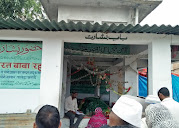
The Dargah of Hazrat Basharat Baba, also known as the shrine of Hazrat Makhdoom Ashraf Jahangir Semnani (often referred to in his writings and prophecies as Basharat ul Muradeen), is a revered Sufi Islamic shrine in Ashrafpur Kichhauchha village, Ambedkar Nagar district, Uttar Pradesh. Dedicated to the 14th-15th century saint who propagated the Chishti order, it serves as a major center for spiritual solace and interfaith devotion. The complex includes the saint's tomb, a mosque, and surrounding marble-decorated structures, attracting thousands of pilgrims annually, especially during the Urs on the 28th of Muharram.
Nestled on a small hillock surrounded by lush rhythms of the Tons River in the remote Ambedkar Nagar district, the Dargah of Hazrat Basharat Baba stands as a profound testament to India's rich Islamic Sufi heritage. This shrine, formally known as the Dargah Sharif of Hazrat Makhdoom Sultan Syed Ashraf Jahangir Semnani, honors a legendary 14th-15th century Sufi saint born in 708 AH (1308 CE) in Semnan, Iran. The saint, a descendant of Imam Hassan and a key figure in the Chishti Sufi order, migrated to India and settled in Kichhauchha (then known as Kach-Vach, meaning raised land near the riverbank) around the early 14th century. He is celebrated for his spiritual teachings that emphasized peace, unity, and devotion, establishing the Ashrafi branch of the Chishti order, which spread across South Asia and beyond through his nephew and successor, Syed Shah Abdur Razzaq Nurul Ain, a descendant of Abdul Qadir Jilani. The shrine's historical significance lies in its role as a beacon of interfaith harmony and spiritual elevation. Built during the saint's lifetime in 793 AH (1391 CE), the tomb was personally overseen by him, with foundations laid using a stone from Mecca brought by his disciple Hazrat Ruknuddin Sair. Constructed with simple bricks to allow for standing prayer, it was expanded over 12 years by devotees including Hazrat Jamshed Qalandar, Hazrat Noorul Ain, and others. The saint spent his final days in the grave, composing treatises like Resala-e-Qubria and Basharat ul Muradeen (from which the name "Basharat Baba" derives, referring to his prophetic writings on divine glad tidings for seekers). He passed away on the 28th of Muharram 808 AH (1405 CE), and his Urs (death anniversary) is commemorated annually with grand celebrations, drawing millions of devotees from India and abroad, irrespective of caste, creed, or religion. The complex, adorned with intricate marble work, colorful tiles, and glass embellishments from later Mughal-era renovations (notably in the 17th-18th centuries), includes a central mosque where pilgrims offer prayers and seek blessings for healing, fulfillment of desires, and spiritual guidance. As a historical Islamic site, the dargah exemplifies the syncretic traditions of Indian Sufism. The saint's arrival transformed the local Bhar community, previously involved in conflicts, into peaceful inhabitants through his message of tolerance. Today, the shrine functions as a seminary for spiritual edification, with daily rituals including Quran recitations and communal langar (free meals).
Year of Built: Not Available
Address: CQMF+PX7, Unnamed Road, Ashrafpur Kichhauchha, Uttar Pradesh 224155
Country: India
State: Uttar Pradesh
District: Ambedkar Nagar
Pincode: 224155
Longitude: 82.6786°E
Latitude: 26.4725° N