
Indo Islamic Heritage


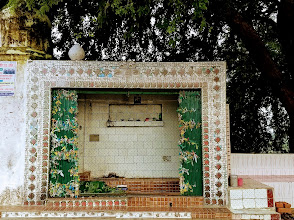
The Saiyad Baba Mosque in Shauhri Garhiya, Auraiya district, Uttar Pradesh, is a modest local mosque serving the Muslim community in this rural village. It functions as a simple place of worship, reflecting the everyday Islamic heritage of the region without notable architectural grandeur or historical prominence. Built likely in the 20th century to accommodate local prayer needs, it remains an integral part of village life.
The Saiyad Baba Mosque, located in the village of Shauhri Garhiya within Auraiya district, Uttar Pradesh, stands as a humble yet essential religious site for the local Muslim population. Auraiya, carved out as a district in 1997 from Etawah, is predominantly rural, with agriculture and small-scale industries shaping its economy. Shauhri Garhiya, a small village in the Bidhuna tehsil, exemplifies this setting, where community mosques like Saiyad Baba serve as centers for daily prayers, Friday congregations (Jumma), and occasional religious gatherings. Named possibly after a local Sufi figure or saint (Saiyad Baba), the mosque embodies the unassuming Islamic tradition prevalent in Uttar Pradesh's countryside, where such structures often blend into the village fabric without elaborate features. Architecturally, the mosque is typical of local rural designs: a single-domed prayer hall constructed from brick and concrete, with basic minarets or arched entrances for ventilation and aesthetics. It lacks the ornate domes, intricate jali work, or historical inscriptions found in prominent sites like the Jama Masjid in nearby historical areas. Instead, it prioritizes functionality, accommodating around 100-200 worshippers during peak times. The interior features simple mihrab (prayer niche) and minbar (pulpit), with flooring covered in mats for communal prayer. Surrounding the mosque is a small courtyard used for wudu (ablution) and community interactions, underscoring its role as a social hub in a village where Muslims form a minority amid a Hindu-majority population. Established to meet the spiritual needs of the village's residents, the mosque's construction year is not precisely documented in official records but is estimated around the mid-20th century, aligning with post-independence rural development in Uttar Pradesh. It was likely built by local donors or the community, as is common for such sites, without patronage from larger Mughal or colonial-era rulers. No verified historical events or miracles are associated with it, distinguishing it from grander shrines; its significance lies in sustaining daily Islamic practices like the five daily salah and Eid prayers. The mosque is maintained by local caretakers (imams or khadims), funded through community contributions and waqf (endowment) properties, ensuring its upkeep amid the district's agrarian lifestyle.
Year of Built: Not Available
Address: JC33+9V7, Shauhri Garhiya, Uttar Pradesh 206121
Country: India
State: Uttar Pradesh
District: Auraiya
Pincode: 206121
Longitude: 79.52°E
Latitude: 26.47°N