
Indo Islamic Heritage


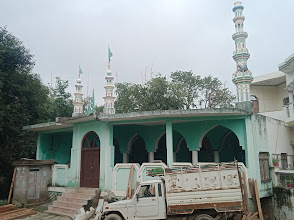
Tedhiya Masjid is a local mosque located in Mukeriganj, a locality within Azamgarh city in Uttar Pradesh, India. It serves as a place of worship for the Muslim community in the area, reflecting the Islamic heritage of the region. Specific historical records on its construction are limited, but it aligns with the broader Islamic architectural presence in Azamgarh, which dates back to the 17th century with the founding of the city itself.
Tedhiya Masjid, situated in the heart of Mukeriganj locality, Azamgarh, Uttar Pradesh, is an important religious site for the local Muslim population. Azamgarh, founded in 1665 by Azam, son of Vikramajit—a descendant of Gautam Rajputs who embraced Islam—has a rich Islamic history, with the town named after its founder and featuring several mosques that underscore the region's cultural and religious significance. While detailed historical accounts specific to Tedhiya Masjid are scarce in available records, it contributes to the network of mosques in Azamgarh that support daily prayers, community gatherings, and religious observances. The mosque's exact year of construction remains unverified in public historical sources, but it is part of the post-Mughal Islamic architectural landscape in eastern Uttar Pradesh, likely developed during or after the 18th-19th centuries when the area saw increased settlement and infrastructure under local Muslim rulers and British colonial administration. Azamgarh's Islamic sites, including mosques like this one, were influenced by the broader Mughal legacy in the region, emphasizing simplicity in design suited to local needs rather than grand imperial structures.
Year of Built: Not Available
Address: 1st floor, Tedhiya Masjid, 182, Pandit Dindayal Upadhyaya Marg, near Kuraishiya School, Mukeriganj, Azamgarh, Uttar Pradesh 276001
Country: India
State: Uttar Pradesh
District: Azamgarh
Pincode: 276001
Longitude: 83.1859° E
Latitude: 26.0737° N