
Indo Islamic Heritage


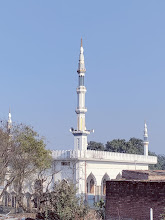
Jama Masjid Manchobha is a modest local mosque situated in the Manchobha village area of Azamgarh district, Uttar Pradesh, serving as a central place of worship for the Muslim community in this rural setting. As a historical Islamic site, it embodies the simple yet enduring architectural traditions of regional mosques in eastern Uttar Pradesh, reflecting the cultural and religious heritage of the area without the grandeur of larger Mughal-era structures. Its exact year of construction remains undocumented in available historical records, indicating it likely dates to the 19th or early 20th century, typical for many local jama masjids in Azamgarh.
Nestled in the serene rural landscape of Manchobha village within Azamgarh district, Uttar Pradesh, Jama Masjid Manchobha stands as a poignant emblem of local Islamic heritage in one of India's eastern heartlands. Unlike the opulent imperial mosques of the Mughal era, such as those in Delhi or Agra, this jama masjid represents the grassroots evolution of Islamic architecture in provincial India, where community devotion shaped modest yet functional places of prayer. Azamgarh, historically part of the ancient kingdom of Kosala and later influenced by Muslim rulers during the medieval period, saw the proliferation of such local mosques as Islam took root among the populace through trade, migration, and Sufi influences. While grand structures like the Jama Masjid in nearby Jaunpur (completed in the 15th century during the Sharqi dynasty) symbolize royal patronage, Manchobha's mosque highlights the everyday spiritual life of villagers, fostering unity and daily rituals in a region marked by agricultural rhythms and cultural syncretism. The mosque's architecture, though not extensively documented, adheres to the vernacular style prevalent in rural Uttar Pradesh, featuring a simple rectangular prayer hall oriented towards the qibla (direction of Mecca), with basic minarets or domes that blend into the surrounding landscape. Constructed primarily from locally sourced bricks and lime mortar—a common practice in 19th- and early 20th-century builds in the Gangetic plains—it lacks the red sandstone and marble inlays of Mughal masterpieces but exudes a timeless humility. Historical records on its exact construction year are scarce, a common trait for many local sites not patronized by empires; however, based on the timeline of mosque-building in Azamgarh (which intensified post-Mughal with British-era stability), it is estimated to have been erected around the mid-19th century or later, possibly during the Nawabi influence in Awadh or the early colonial period when community-led initiatives funded such structures. This era saw a surge in jama masjids as focal points for Friday congregational prayers (jumma), community gatherings, and religious education, underscoring the mosque's role beyond mere worship—as a social and moral anchor in village life. In the broader context of India's Islamic historical sites, Jama Masjid Manchobha contributes to the mosaic of over 300,000 mosques nationwide, many of which, like this one, embody the resilient spirit of regional Islam. Though not a protected monument under the Archaeological Survey of India, it merits recognition for its cultural significance in Azamgarh, a district renowned for producing scholars and freedom fighters, including during the 1857 Revolt. Preserving such sites ensures the continuity of India's pluralistic heritage, where local mosques like this one quietly narrate stories of faith, community, and adaptation amid historical flux. Visitors seeking an authentic glimpse into rural Islamic life will find in Jama Masjid Manchobha a humble testament to enduring devotion.
Year of Built: Not Available
Address: 36WM+HF7, Manchobha, Azamgarh, Uttar Pradesh 276125
Country: India
State: Uttar Pradesh
District: Azamgarh
Pincode: 276125
Longitude: 83.3167° E
Latitude: 26.1833° N