
Indo Islamic Heritage


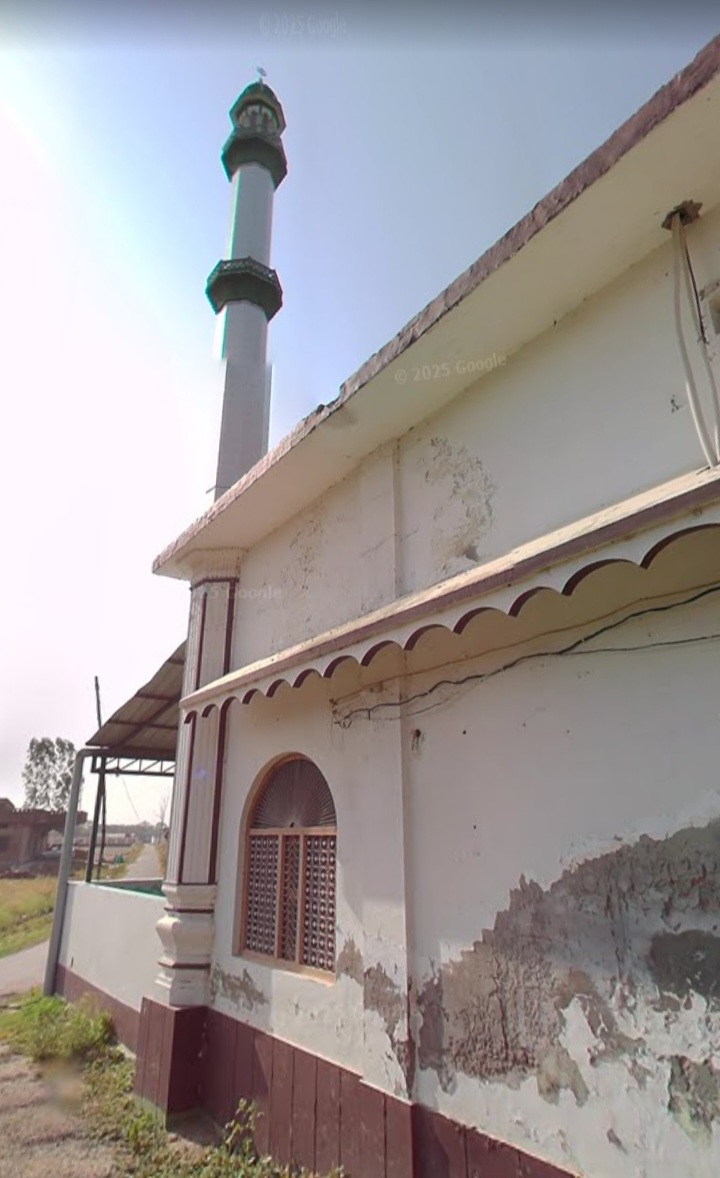
Nestled in the quiet locality of Chandeshwar within Azamgarh district, Uttar Pradesh, Jama Masjid stands as a modest yet enduring symbol of local Islamic heritage. This unassuming Friday mosque serves the spiritual needs of the surrounding Muslim community, reflecting the syncretic cultural fabric of rural Uttar Pradesh through its simple architecture and role in daily worship.
Jama Masjid in Chandeshwar, Azamgarh, embodies the understated grace of local Islamic architecture in eastern Uttar Pradesh, a region historically shaped by the convergence of Mughal influences and indigenous traditions. Though not a grand imperial edifice like its counterparts in Delhi or Agra, this mosque holds quiet significance as a community focal point, where generations have gathered for congregational prayers, fostering a sense of continuity amid the area's agrarian rhythms. The mosque's origins remain rooted in the broader historical context of Azamgarh, a district established in the 17th century during the Mughal era. Azamgarh itself was founded in 1665 by Azam, son of Vikramajit—a descendant of Gautam Rajputs from Mehnagar who had embraced Islam—marking the early spread of the faith in the region. While specific records of the mosque's construction are scarce, reflecting its status as a vernacular structure rather than a royal commission, it likely emerged in the late 18th or early 19th century, aligning with the consolidation of Muslim settlements under local nawabs and the Rohilla chieftains. This period saw the proliferation of smaller jama masjids across Uttar Pradesh's eastern plains, built to serve Friday (Jumu'ah) prayers and community rituals, often using locally sourced bricks and lime mortar in a style that echoes provincial Mughal simplicity. Architecturally, Jama Masjid adheres to the essential form of Indo-Islamic design adapted to rural constraints: a rectangular prayer hall oriented toward the qibla (Mecca), flanked by modest minarets or arched gateways that pierce the surrounding enclosure. The structure features clean lines with subtle stucco work on the mihrab (prayer niche) and minbar (pulpit), where Quranic verses may be inscribed in simple Thuluth script—a nod to the calligraphic traditions of the era. Its courtyard, though compact compared to urban counterparts, accommodates local worshippers during peak times, underscoring its role as a living heritage site rather than a static monument. Over time, the mosque has weathered the socio-political shifts of the region, from the 1857 Revolt—when Azamgarh was a hotbed of resistance—to the post-independence era, quietly enduring as a sanctuary for reflection and communal harmony. Today, Jama Masjid continues to pulse with the rhythms of daily life in Chandeshwar, a locality known for its fertile fields and close-knit villages. It hosts not only routine salat but also key observances like Eid prayers and Ramadan taraweeh, drawing families from nearby hamlets such as Belagar and Haidarabad Urf Chhawara. As a testament to Azamgarh's multicultural ethos—where Hindu temples like the ancient Chandeshwar Mahadev coexist mere kilometers away—the mosque subtly reinforces interfaith bonds in this verdant corner of Uttar Pradesh.
Year of Built: Not Available
Address: 259J+HRW, Chandeshwar, Azamgarh, Uttar Pradesh 276128
Country: India
State: Uttar Pradesh
District: Azamgarh
Pincode: 276128
Longitude: 83.2000° E
Latitude: 26.0833° N