
Indo Islamic Heritage


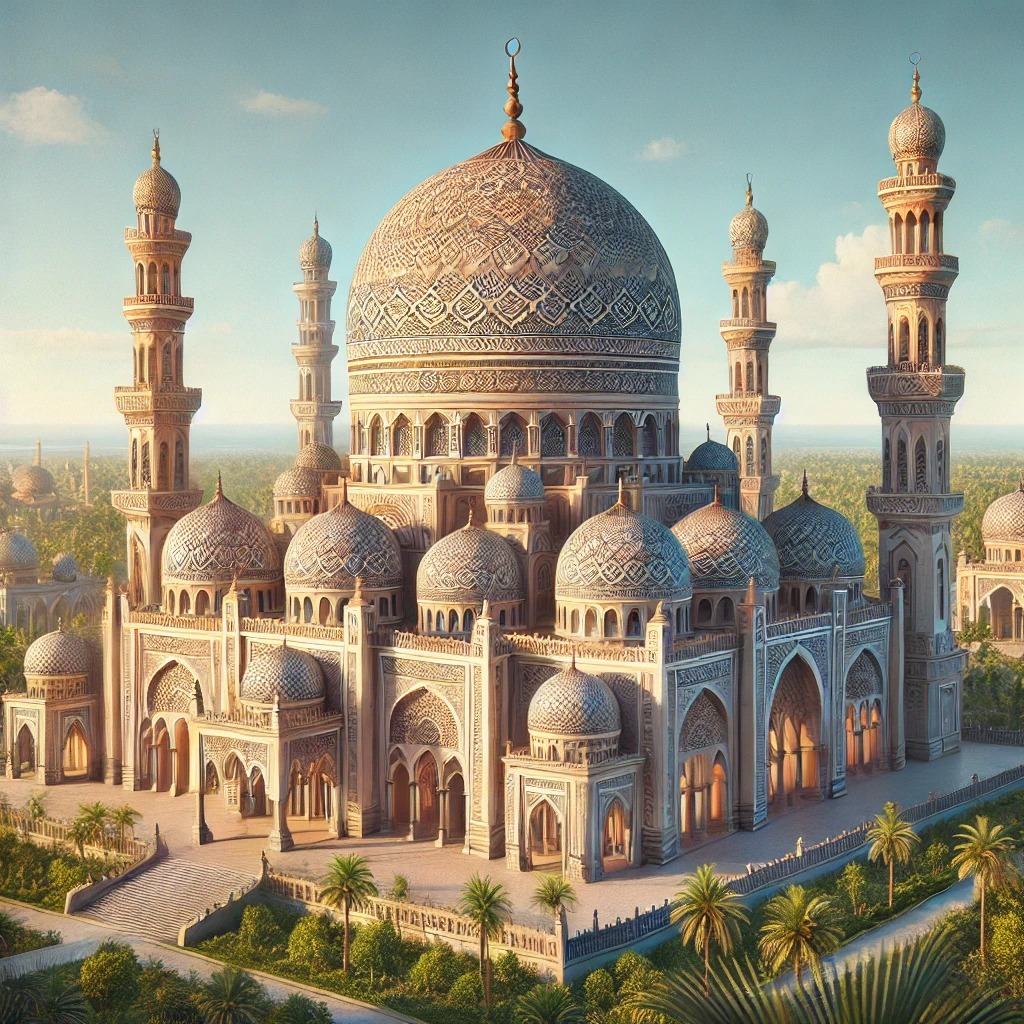
Jalandhari Masjid stands as a modest yet enduring symbol of local Islamic heritage in the heart of Chakla, a bustling locality within Azamgarh town. This community mosque, nestled amid the historic streets of eastern Uttar Pradesh, serves as a serene place of worship for residents, reflecting the region's deep-rooted Muslim traditions dating back to the Mughal era. Though not a grand imperial structure, it embodies the everyday piety and architectural simplicity of provincial mosques.
Nestled in the vibrant Chakla locality of Azamgarh, a town founded in 1665 by Azam Khan—a descendant of the Gautam Rajputs who embraced Islam—Jalandhari Masjid emerges as a quiet testament to the syncretic cultural fabric of eastern Uttar Pradesh.Azamgarh itself, once part of the ancient Kosala kingdom and later integrated into the Mughal administrative fold, became a hub for Islamic scholarship and community life under the patronage of local nawabs and zamindars during the 17th and 18th centuries. Within this context, Jalandhari Masjid, likely constructed in the late 17th or early 18th century amid the town's formative years, represents the proliferation of vernacular mosques that catered to the spiritual needs of everyday Muslims rather than imperial grandeur. The mosque's origins are intertwined with the broader historical currents of the region, where Islam took root through Sufi influences and Rajput conversions, fostering a landscape dotted with modest prayer halls. While precise records of its construction remain scarce—typical of many local structures from this period—its naming after "Jalandhari" suggests a dedication to a revered Sufi figure or local saint, a common practice in Awadh and Purvanchal mosques that honored spiritual guides to invoke blessings for the community. Erected during a time when Azamgarh transitioned from Kosala's ancient agrarian roots to a Mughal pargana under the oversight of figures like Vikramajit, the mosque would have served as a focal point for Friday congregational prayers (Jumu'ah) and daily rituals, drawing families from nearby wards like Paharpur, Kot, and Takia. Its unassuming design—characterized by simple arched mihrabs, whitewashed walls, and a small minaret—mirrors the practical architecture of provincial Indian mosques, adapted to the local climate with flat roofs for ventilation and courtyards for communal gatherings. Over the centuries, Jalandhari Masjid has witnessed the ebb and flow of Azamgarh's fortunes: from the 1857 Revolt, when the district became a center of resistance against British rule, to the 20th-century independence movement that saw local Muslims contributing to the freedom struggle alongside Hindu neighbors.2a055e Today, it remains an active place of worship, hosting not only namaz but also modest celebrations of Islamic festivals like Eid and Muharram, underscoring its role as a living heritage site. Though overshadowed by more famed monuments like Delhi's Jama Masjid, Jalandhari Masjid's significance lies in its grassroots authenticity, preserving the oral histories and devotional practices of Chakla's residents in a region where Islam has blended seamlessly with Bhojpuri culture and Urdu-Bhojpuri linguistic traditions. As a protected community asset under local waqf boards, it invites reflection on the understated beauty of India's Islamic architectural legacy, where every brick echoes centuries of faith and resilience.
Year of Built: Not Available
Address: takiya link qurais school new coloney jalandhri 219, Chakla, Azamgarh, Uttar Pradesh 276001
Country: India
State: Uttar Pradesh
District: Azamgarh
Pincode: 276001
Longitude: 83.1857° E
Latitude: 26.0721° N