
Indo Islamic Heritage


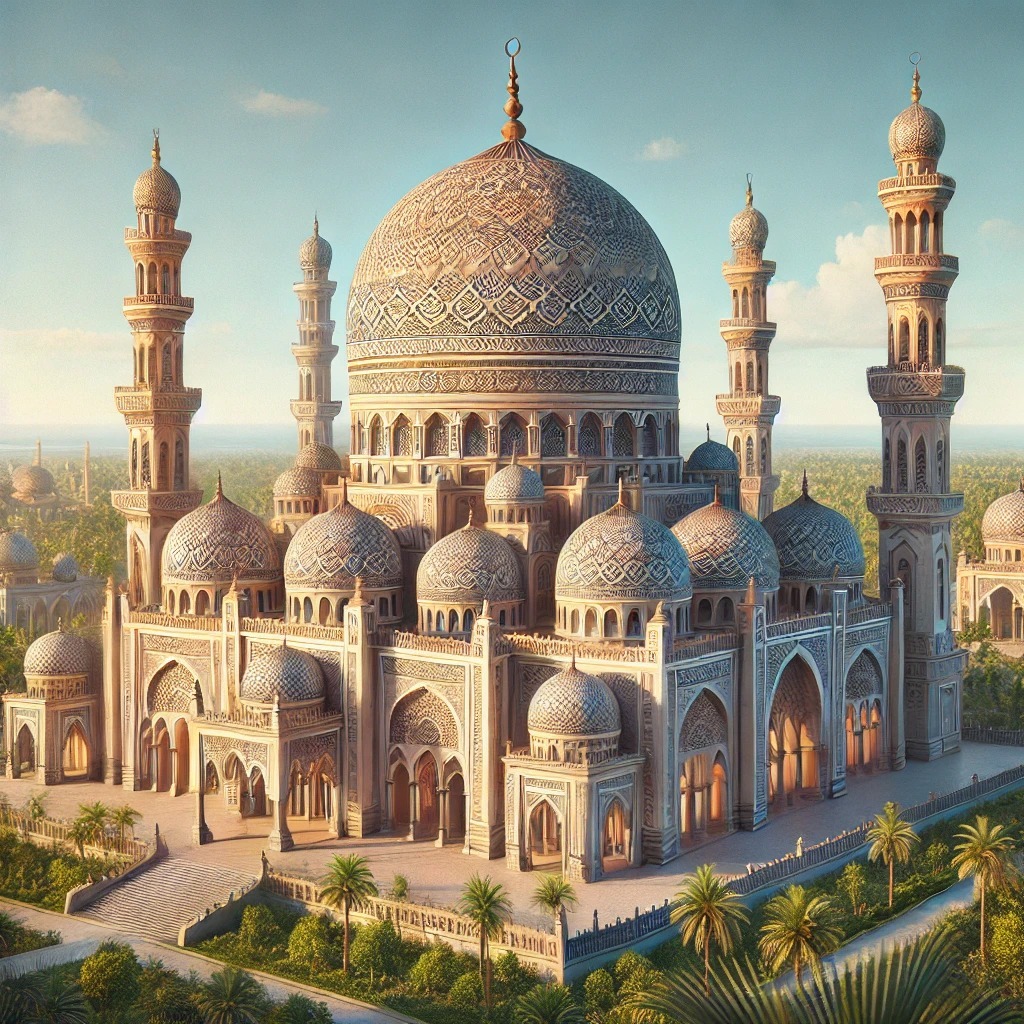
Jama Masjid in Langarpur stands as a modest yet enduring symbol of Islamic heritage in rural Azamgarh, Uttar Pradesh. This local congregational mosque serves as the spiritual heart of the village community, reflecting the simple yet functional Indo-Islamic architectural style prevalent in the Purvanchal region. With its unadorned brick facade and central dome, it hosts daily prayers and Friday congregations, fostering a sense of continuity amid the surrounding agrarian landscape along the Tamsa River basin.
Nestled in the verdant fields of Langarpur village within Mehnagar Tehsil, Jama Masjid embodies the understated elegance of local Islamic architecture that flourished in eastern Uttar Pradesh during the 19th century, a period marked by the consolidation of Nawabi rule under the Kingdom of Awadh and the lingering echoes of Mughal patronage. Established amid the socio-religious transformations of the era—when Azamgarh district itself was formally delineated as a British administrative unit in 1832—this mosque emerged as a vital community anchor for the predominantly Muslim agrarian populace, who trace their roots to early conversions under the Bhakti-Sufi syncretism of the region. The mosque's construction, likely commissioned by local patrons inspired by the broader wave of mosque-building in Purvanchal following the decline of imperial Mughal centers like Delhi and Agra, adheres to the provincial Indo-Islamic idiom. Its core structure comprises a rectangular prayer hall oriented toward the qibla, supported by robust brick walls that rise to a modest height, topped by a single onion-shaped dome clad in lime plaster. Flanking the entrance is a pair of tapering minarets, slender and unembellished, which serve both functional and symbolic purposes—calling the faithful to prayer while echoing the vertical aspirations of grander structures like the Jama Masjid in nearby Jaunpur. The facade features a central iwan-like archway, framed by subtle jali screens for ventilation, allowing filtered light to illuminate the mihrab, the niche denoting Mecca's direction, carved with basic geometric motifs in stucco. Unlike the opulent imperial mosques of the Mughal heartland, Jama Masjid Langarpur prioritizes utility over grandeur, a reflection of its rural context. The open courtyard (sahn), enclosed by low boundary walls, accommodates modest gatherings for Jumu'ah prayers, with ablution facilities (wudu areas) integrated seamlessly into the periphery using locally sourced sandstone. Historical records of Azamgarh's Islamic sites, though sparse for smaller locales like Langarpur, indicate that such mosques were often funded through waqf endowments by zamindars or Sufi orders, ensuring their role as centers for not just worship but also community education and dispute resolution. In an era when the 1857 Revolt saw Azamgarh as a hotbed of resistance—led by figures invoking Islamic solidarity—the mosque likely doubled as a space for quiet reflection and mobilization, underscoring its subtle historical resonance. Today, preserved through communal efforts despite the challenges of rural upkeep, Jama Masjid continues to draw villagers for the five daily salahs, Ramzan taraweehs, and Eid celebrations. Its location at approximately 26.073°N, 83.186°E—amid the fertile alluvial plains irrigated by the Tamsa River—positions it as a serene waypoint for those exploring Azamgarh's understated Islamic legacy, away from the more famed monuments. Though not inscribed in grand chronicles, this local edifice whispers of the enduring faith that wove Islam into the fabric of Uttar Pradesh's countryside, standing as a testament to resilience and quiet devotion.
Year of Built: Not Available
Address: 46J6+3FR, Langarpur, Uttar Pradesh 276125
Country: India
State: Uttar Pradesh
District: Azamgarh
Pincode: 276125
Longitude: 83.186°E
Latitude: 26.073°N