
Indo Islamic Heritage


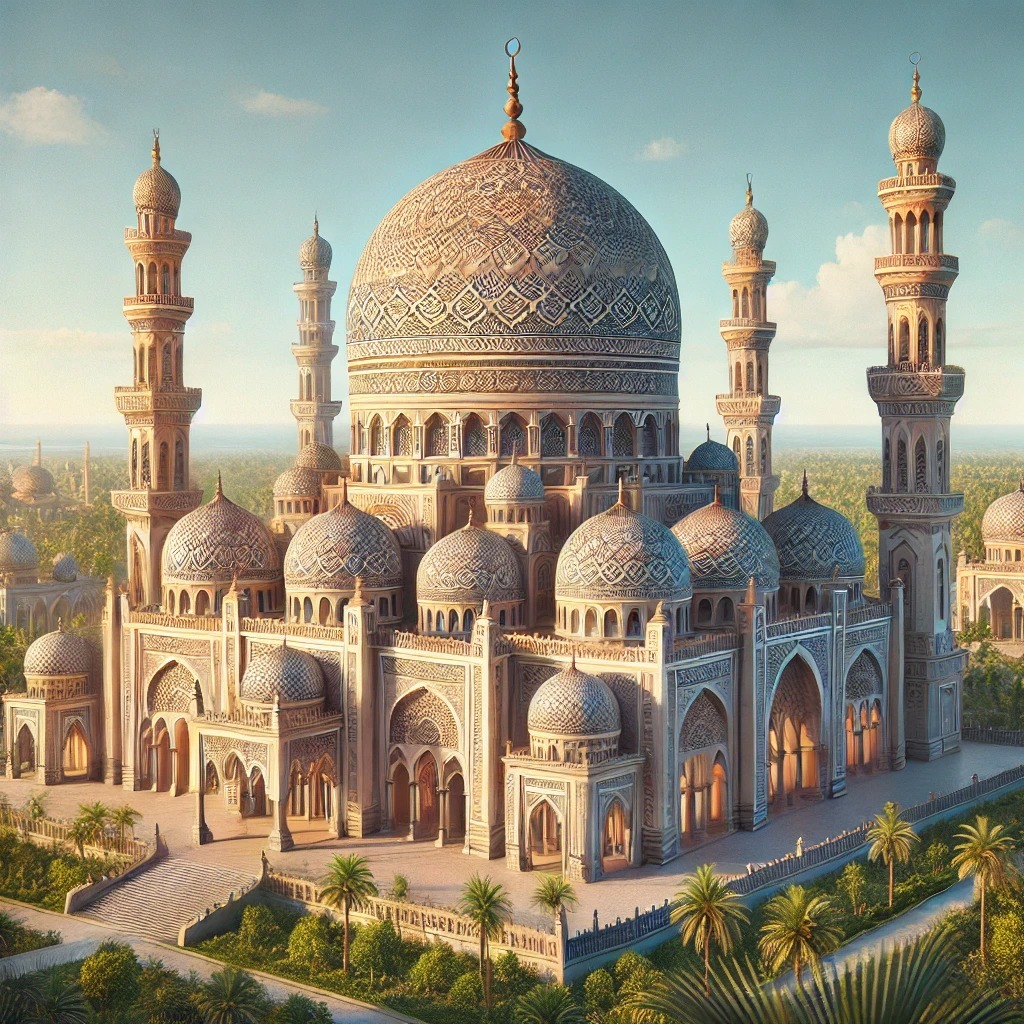
Masjid E Aisha is a modest yet cherished local mosque nestled in the village of Dal Singer within Azamgarh district, Uttar Pradesh. Serving as a spiritual anchor for the surrounding Muslim community, it embodies the simplicity and devotion characteristic of rural Islamic architecture in eastern India. With its unpretentious design and intimate prayer spaces, the mosque facilitates daily worship and communal gatherings, reflecting the enduring faith of the region amid the fertile plains of Purvanchal.
Tucked away in the serene village of Dal Singer, a small settlement in the heart of Azamgarh district, Masjid E Aisha stands as a quiet testament to the deep-rooted Islamic heritage of rural Uttar Pradesh. Azamgarh itself, founded in 1665 by Azam, son of Vikramajit—a descendant of the Gautam Rajputs who embraced Islam—lies in the ancient Kosala kingdom's shadow, a land historically intertwined with the spiritual legacies of sages and saints. This backdrop of cultural confluence, where Hindu, Buddhist, and Islamic influences have long coexisted, lends a subtle profundity to the mosque's presence, even as it remains a humble local edifice rather than a grand imperial monument. Though specific records of its construction are scarce—indicative of its grassroots origins—the mosque is believed to have been established in the late 19th or early 20th century, a period when Islamic community life flourished in eastern Uttar Pradesh amid the waning Mughal influence and rising colonial era. Local oral traditions suggest it was built by devout villagers to honor Aisha, the revered wife of Prophet Muhammad (peace be upon him), whose name evokes themes of wisdom, piety, and feminine strength in Islamic lore. This dedication underscores the mosque's role not merely as a place of prostration but as a symbol of communal resilience and moral guidance in a predominantly agrarian society. Architecturally, Masjid E Aisha eschews the ornate domes and minarets of famed Mughal mosques like those in Agra or Fatehpur Sikri, opting instead for a functional vernacular style suited to its rural environs. Constructed primarily from locally sourced bricks and lime mortar, the structure features a single-domed prayer hall oriented toward the qibla, with arched openings that allow gentle breezes from the nearby Tamsa River to filter through during humid summers. The mihrab, a niche denoting the direction of Mecca, is simply adorned with geometric motifs in faded green and white, evoking the Islamic prohibition on figurative art while fostering a sense of tranquil introspection. Flanking the entrance is a modest ablution area, where villagers perform wudu before prayers, and a small courtyard that doubles as a space for Eid celebrations and religious instruction for the youth. At its core, the mosque pulses with the rhythms of daily life in Dal Singer. Dawn's fajr prayers draw early risers from the fields, while the jumu'ah sermons on Fridays echo teachings on charity and unity, vital in a community sustained by rice, wheat, and sugarcane cultivation. Over the decades, it has weathered floods from the Ghaghara River and the socio-economic shifts of post-independence India, yet remains a steadfast hub for iftar gatherings during Ramadan and nafl prayers seeking solace. In an era of rapid urbanization, Masjid E Aisha preserves the essence of localized Islamic practice—unassuming, inclusive, and profoundly personal—reminding visitors of how faith manifests not in grandeur, but in the quiet devotion of everyday believers.
Year of Built: Not Available
Address: 35CJ+7MW, Unnamed Road, Dal Singar, Azamgarh, Uttar Pradesh 276001
Country: India
State: Uttar Pradesh
District: Azamgarh
Pincode: 276001
Longitude: 83.2000° E
Latitude: 26.0667° N