
Indo Islamic Heritage


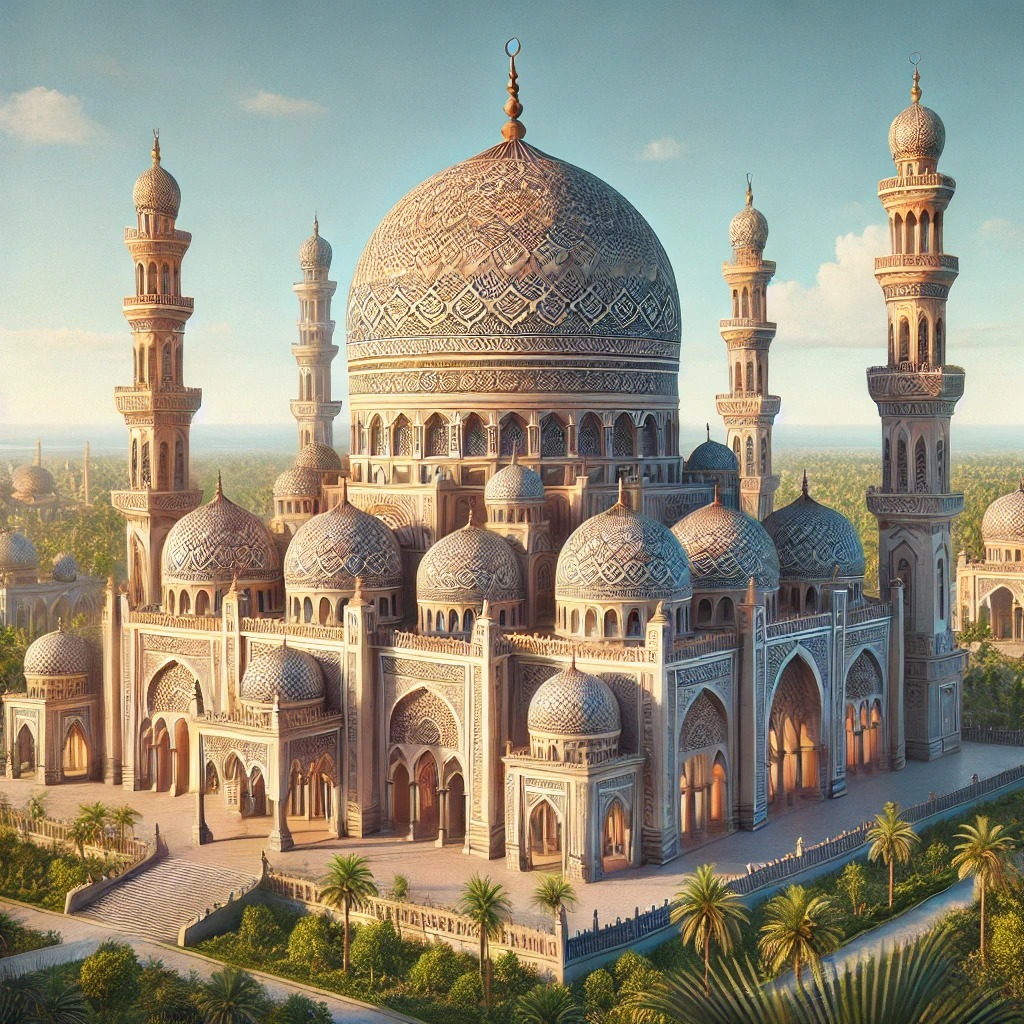
Masjid Dr. Surayya is a modest local mosque situated in the rural village of Purai Gulami within Azamgarh district, Uttar Pradesh. Named in honor of Dr. Surayya, a notable community figure, it serves as a central place of worship for the predominantly Muslim population, embodying the simplicity and spiritual resilience of Purvanchal's Islamic heritage. With its unassuming architecture and community-focused role, the mosque reflects the everyday piety of rural Uttar Pradesh.
Nestled in the verdant plains of eastern Uttar Pradesh, Masjid Dr. Surayya stands as a quiet testament to the enduring Islamic traditions woven into the fabric of Azamgarh's rural landscape. Located in Purai Gulami, a small village in the heart of Azamgarh tehsil, this local mosque is more than a place of prayer—it is the spiritual anchor for the surrounding agrarian community, where daily life revolves around the rhythms of the harvest and the call to fajr. Azamgarh itself, founded in 1665 by Azam Khan, a descendant of Gautam Rajputs who embraced Islam, has long been a cradle of syncretic culture, blending Hindu and Muslim influences amid the fertile Tons River valley. Within this historical continuum, Masjid Dr. Surayya emerges not as a grand imperial edifice like the Jama Masjids of Agra or Delhi, but as an intimate, community-built sanctuary that honors local luminaries and fosters collective devotion. The mosque derives its name from Dr. Surayya, a revered local physician and philanthropist whose contributions to healthcare and education in Purai Gulami likely inspired its dedication. While precise records of its construction remain scarce—indicative of its grassroots origins—the mosque is estimated to have been built in the mid-20th century, around the 1950s or 1960s, during a period of post-independence resurgence in rural religious infrastructure. This era saw many such modest masjids rise across Uttar Pradesh, supported by village waqfs and community donations, as Muslims sought to reaffirm their faith amid the nation's evolving identity. Constructed primarily from local brick and lime mortar, the structure features a simple rectangular prayer hall oriented toward the qibla, with a modest minaret for the adhan and an open courtyard for congregational prayers during Eid. Its architecture eschews ornate domes or minarets in favor of functional minimalism, allowing the focus to remain on spiritual reflection rather than aesthetic grandeur. Inside, the mihrab—adorned with subtle geometric motifs—serves as the focal point, while woven mats and community-donated Qurans line the walls, evoking the mosque's role as a hub for Quranic recitations and religious education. Purai Gulami, the village enveloping the mosque, traces its roots to the broader historical tapestry of Azamgarh, a region that once formed part of the ancient Kosala kingdom and later witnessed the 1857 Sepoy Mutiny, where local Hindu and Muslim landowners united against British rule. Though not a site of monumental historical events, Masjid Dr. Surayya quietly perpetuates this legacy of communal harmony and resilience. It hosts weekly Jumu'ah prayers that draw villagers from nearby hamlets, as well as seasonal iftars during Ramadan and milads commemorating the Prophet Muhammad's birth. For the residents—many of whom are smallholder farmers cultivating rice, wheat, and sugarcane—the mosque provides not only solace but also practical support through attached madrasas offering basic Islamic instruction to children. In an age of rapid urbanization, it remains a bulwark against cultural erosion, preserving Bhojpuri-inflected Urdu sermons and traditional naats that echo the district's multicultural ethos.
Year of Built: Not Available
Address: 35FR+JJ9, Purai Ghulami, Azamgarh, Uttar Pradesh 276001
Country: India
State: Uttar Pradesh
District: Azamgarh
Pincode: 276001
Longitude: 83.2000° E
Latitude: 26.0667° N