
Indo Islamic Heritage


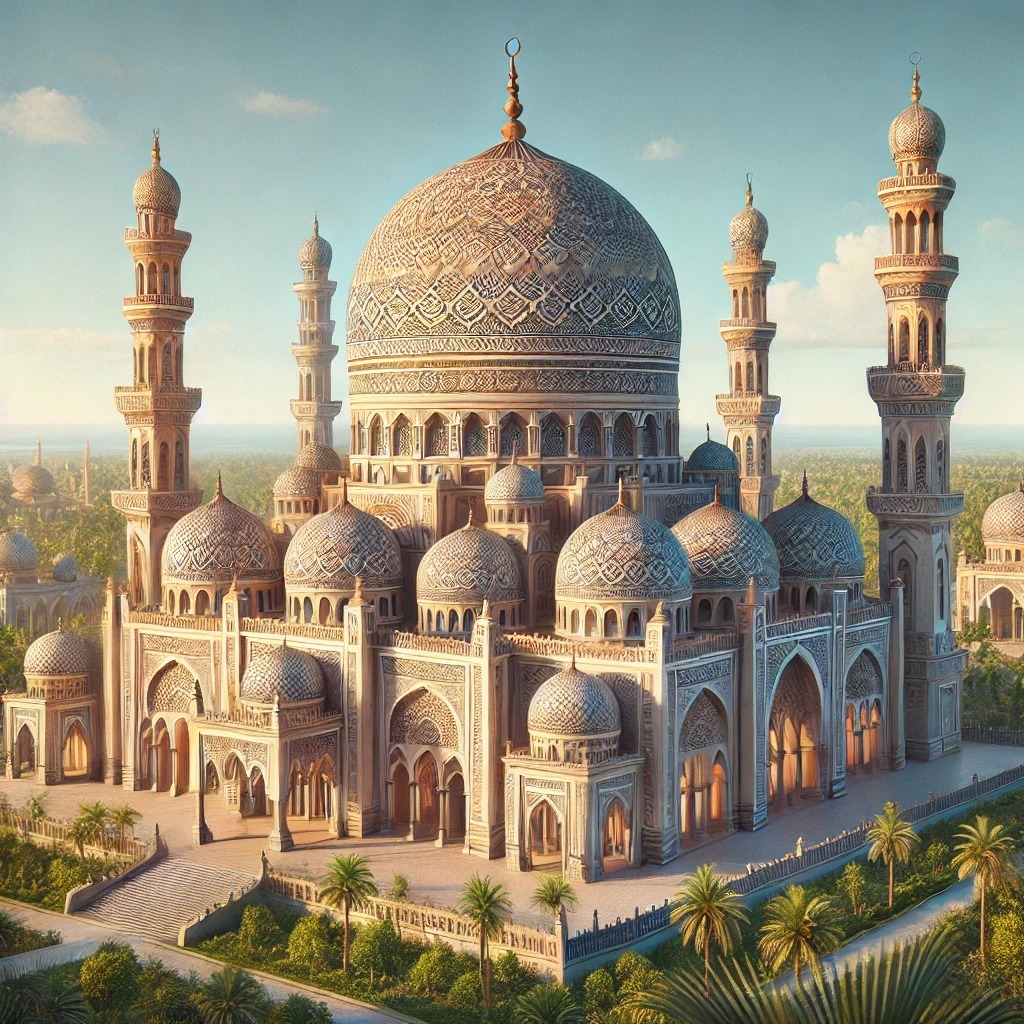
Masjid Haiderabad, situated in the quaint village of Haiderabad Urf Chhawara in Azamgarh district, Uttar Pradesh, stands as a modest yet integral local mosque serving the spiritual needs of the rural Muslim community. Nestled in the fertile plains of eastern Uttar Pradesh, it embodies the simple architectural ethos of regional Islamic worship spaces, fostering daily prayers and communal gatherings amid the area's rich agrarian landscape.
In the heart of Haiderabad Urf Chhawara, a serene village in the Palhani block of Azamgarh district, lies Masjid Haiderabad—a humble testament to the enduring Islamic heritage of rural Uttar Pradesh. This local mosque, integral to village life, reflects the understated elegance of vernacular Islamic architecture prevalent in the Gangetic plains during the late medieval and early modern periods. Though specific records of its construction remain scarce in broader historical annals, the mosque's origins are believed to trace back to the 18th or 19th century, aligning with the consolidation of Muslim settlements in the region following the establishment of Azamgarh town in 1665 by Azam Khan, son of Vikramajit. As a product of this era, the masjid likely emerged as a community focal point for the area's Bhumihar and Rajput-influenced Muslim populace, who integrated Islamic practices into the pre-existing agrarian and cultural fabric of ancient Kosala. Architecturally, Masjid Haiderabad eschews grandiosity in favor of functional simplicity, characteristic of smaller rural mosques in Uttar Pradesh. Constructed primarily from locally sourced bricks and lime mortar, it features a compact prayer hall oriented toward the qibla, with a modest mihrab niche and minimal minarets or domes—elements that prioritize utility over ornamentation. The open courtyard, shaded by neem trees, serves as a vital space for wudu and informal jamaats, echoing the egalitarian spirit of Islamic worship in agrarian settings. Over the centuries, it has witnessed the rhythms of rural devotion: the call to fajr echoing across paddy fields, Eid celebrations drawing villagers from neighboring hamlets, and quiet iftars during Ramadan that knit the community together. The mosque's significance extends beyond ritual, anchoring the social and spiritual life of Haiderabad Urf Chhawara, a village of approximately 1,500 residents engaged in farming and small-scale trade. In a district steeped in the legacy of Sufi saints and resistance movements—Azamgarh being a cradle of the 1857 Revolt—the masjid subtly embodies resilience, offering solace amid historical upheavals. Today, it continues to host daily namaz and occasional madrasa sessions for local youth, preserving oral traditions of Quranic recitation passed down through generations.
Year of Built: Not Available
Address: 256H+RQJ, Haidarabad Urf Chhawara, Azamgarh, Uttar Pradesh 276128
Country: India
State: Uttar Pradesh
District: Azamgarh
Pincode: 276128
Longitude: 83.1667° E
Latitude: 26.0500° N