
Indo Islamic Heritage


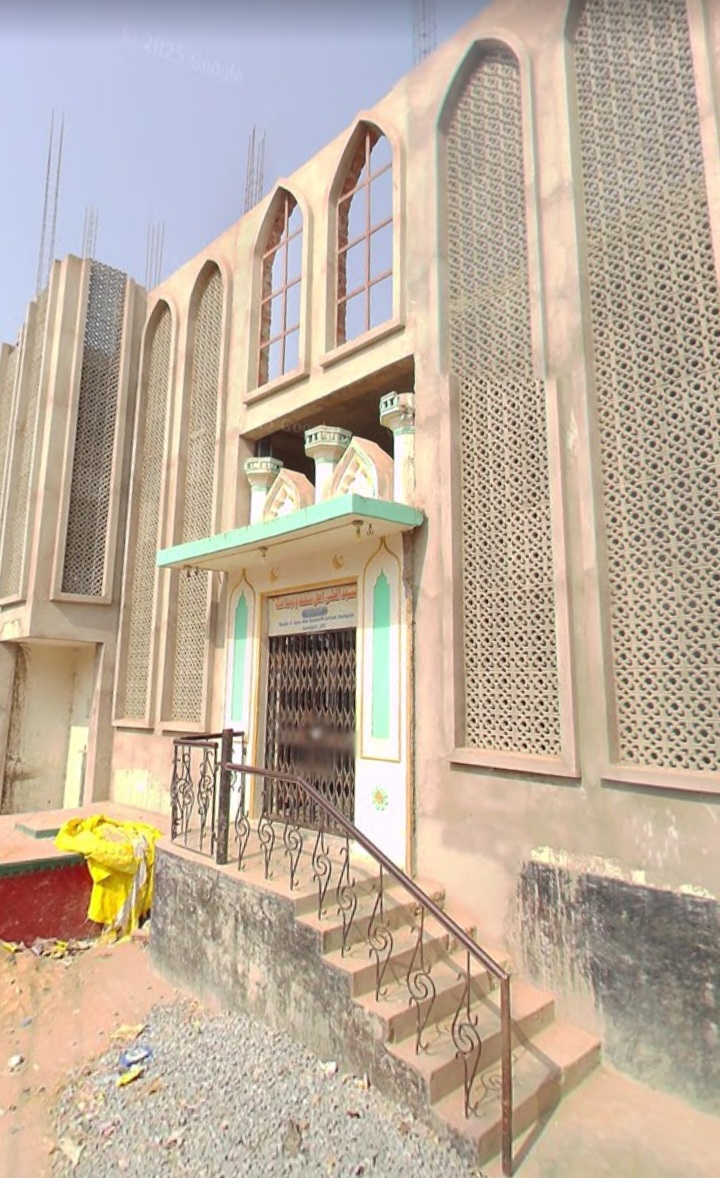
Juma Masjid in Shahgarh, a quaint village mosque in Azamgarh district, Uttar Pradesh, stands as a modest yet enduring symbol of local Islamic heritage. Nestled in the rural heartland of eastern Uttar Pradesh, this Friday prayer congregation site reflects the simple architectural ethos of community-built structures from the colonial or early post-independence era, serving as a spiritual anchor for the village's Muslim population.
Juma Masjid Shahgarh, located in the serene village of Shahgarh within Azamgarh district, Uttar Pradesh, embodies the quiet resilience of Islamic architectural traditions in rural northern India. As a local congregational mosque, it primarily functions as a Friday prayer site, drawing villagers for Jumu'ah services and daily rituals, fostering a sense of communal unity amid the agricultural landscapes of the Gangetic plain. Unlike the grand imperial mosques of Mughal cities, Juma Masjid Shahgarh represents the grassroots evolution of Islamic worship spaces, likely constructed to meet the spiritual needs of the area's Muslim population during the late medieval or early colonial period, though exact records of its founding remain scarce in historical archives. The mosque's architecture, though unpretentious, adheres to core Islamic principles with a simple prayer hall oriented toward the qibla (direction of Mecca), flanked by modest minarets or domes typical of regional designs influenced by Awadhi and Rohilkhandi styles. Built primarily from locally sourced bricks and lime mortar, it features arched doorways and mihrab niches that echo the broader Indo-Islamic aesthetic prevalent in Uttar Pradesh since the 17th century. The surrounding courtyard, shaded by neem trees, provides space for wudu (ablution) and informal gatherings, underscoring its role as a social hub in village life. Over the years, the structure has undergone community-led repairs to withstand monsoons and seismic shifts common to the Indo-Gangetic region, preserving its functionality without altering its humble scale. Historically, Shahgarh village itself traces its roots to the broader Islamic settlement patterns in Azamgarh, a district named after Azam Khan, son of Vikramajit, who founded the town in 1665 as part of the Gautam Rajput lineage that embraced Islam. This era of Mughal expansion saw the proliferation of local mosques like Juma Masjid, serving as anchors for faith in agrarian communities. While not a monumental site, it contributes to Azamgarh's rich tapestry of Islamic landmarks, complementing larger structures such as the Jama Masjid in nearby Mubarakpur.Today, it remains a vital repository of oral traditions, where elders recount tales of piety and resilience, ensuring the mosque's legacy endures beyond its physical form.
Year of Built: Not Available
Address: 26V9+8VH, Shahgarh, Baithauli, Uttar Pradesh 276406
Country: India
State: Uttar Pradesh
District: Azamgarh
Pincode: 276406
Longitude: 83.220°E
Latitude: 26.073°N