
Indo Islamic Heritage


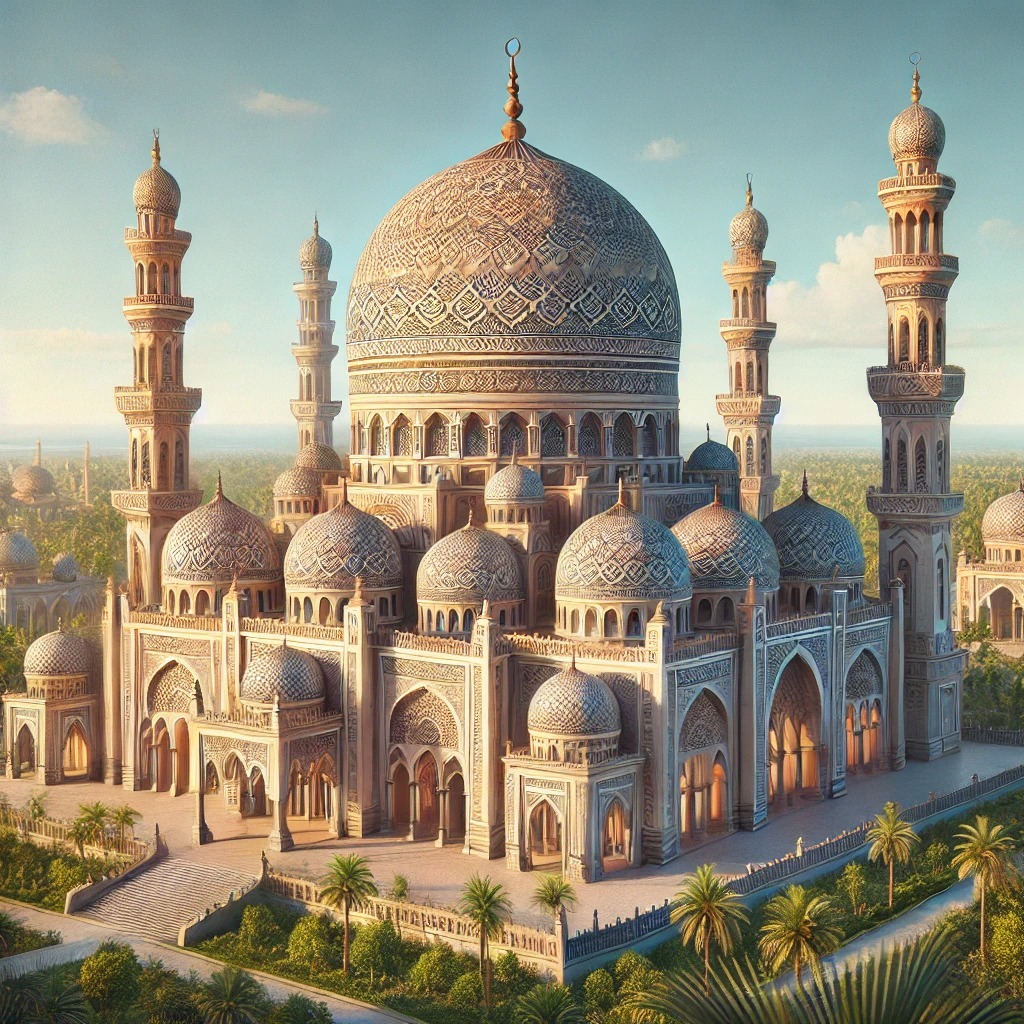
Nestled in the quiet village of Garhwal near Dhakwa in Azamgarh, Uttar Pradesh, Jama Masjid stands as a modest yet enduring symbol of local Islamic heritage. This unassuming Friday mosque serves the spiritual needs of the rural Muslim community, embodying the simplicity and resilience of vernacular Islamic architecture in eastern Uttar Pradesh. With its basic prayer hall and minaret, it hosts daily prayers and weekly congregational gatherings, quietly preserving the faith's traditions amid the surrounding farmlands.
Jama Masjid in Dhakwa Garhwal exemplifies the understated yet profound role of local mosques in sustaining Islamic cultural and religious life in rural Uttar Pradesh. Situated in the heart of Garhwal village, part of Sagri Tehsil in Azamgarh district, this mosque is more than a place of worship—it is a communal anchor for the area's predominantly agrarian Muslim population. Azamgarh itself, named after Azam Khan in 1665 and rooted in the ancient Kosala kingdom, has long been a cradle of Islamic scholarship and architecture, with influences from Mughal and Awadh Nawabi eras shaping its religious landscape. While grander structures like the Atala Masjid in nearby Jaunpur draw widespread acclaim, Jama Masjid Dhakwa represents the intimate, community-driven expressions of faith that dot the Purvanchal region. Constructed likely during the 18th or 19th century—a period when local nawabs and zamindars patronized mosque building amid the decline of Mughal central authority—the mosque features a straightforward design typical of rural Indo-Islamic vernacular style. Its prayer hall, oriented toward the qibla, is built from locally sourced bricks and lime plaster, with minimal ornamentation that prioritizes functionality over opulence. A single modest minaret rises from one corner, calling the faithful to prayer across the fields of paddy and sugarcane that envelop the village. The courtyard, though small, provides space for ablutions and informal gatherings, fostering a sense of brotherhood during Jumu'ah (Friday) prayers and festivals like Eid. Historically, Azamgarh's Islamic sites, including local mosques like this one, emerged as centers of resistance and revival during turbulent times. The district played a pivotal role in the 1857 Revolt against British rule, with mosques serving as rallying points for community solidarity. Jama Masjid Dhakwa, though not documented in major chronicles, would have mirrored this role on a micro scale, offering solace and organization to villagers amid colonial upheavals. Today, it continues to adapt, occasionally doubling as an informal learning space for Quranic recitation, echoing broader trends in Azamgarh where over 40% of urban mosques provide primary education to underprivileged children. The mosque's enduring appeal lies in its humility; unlike the towering minarets of Delhi's Jama Masjid or Agra's red sandstone marvels, it invites quiet reflection rather than spectacle. Surrounded by the Tamsa River's gentle flow and the district's lush Gangetic plains, it stands as a testament to how Islamic heritage permeates everyday rural life in Uttar Pradesh—unpretentious, resilient, and deeply woven into the social fabric. For those exploring the lesser-known facets of India's Islamic history, Jama Masjid Dhakwa offers a poignant reminder that true sanctity often resides in the ordinary.
Year of Built: Not Available
Address: 469P+X5W, Garhwal, Uttar Pradesh 276125
Country: India
State: Uttar Pradesh
District: Azamgarh
Pincode: 276125
Longitude: 83.185°E
Latitude: 26.118°N