
Indo Islamic Heritage


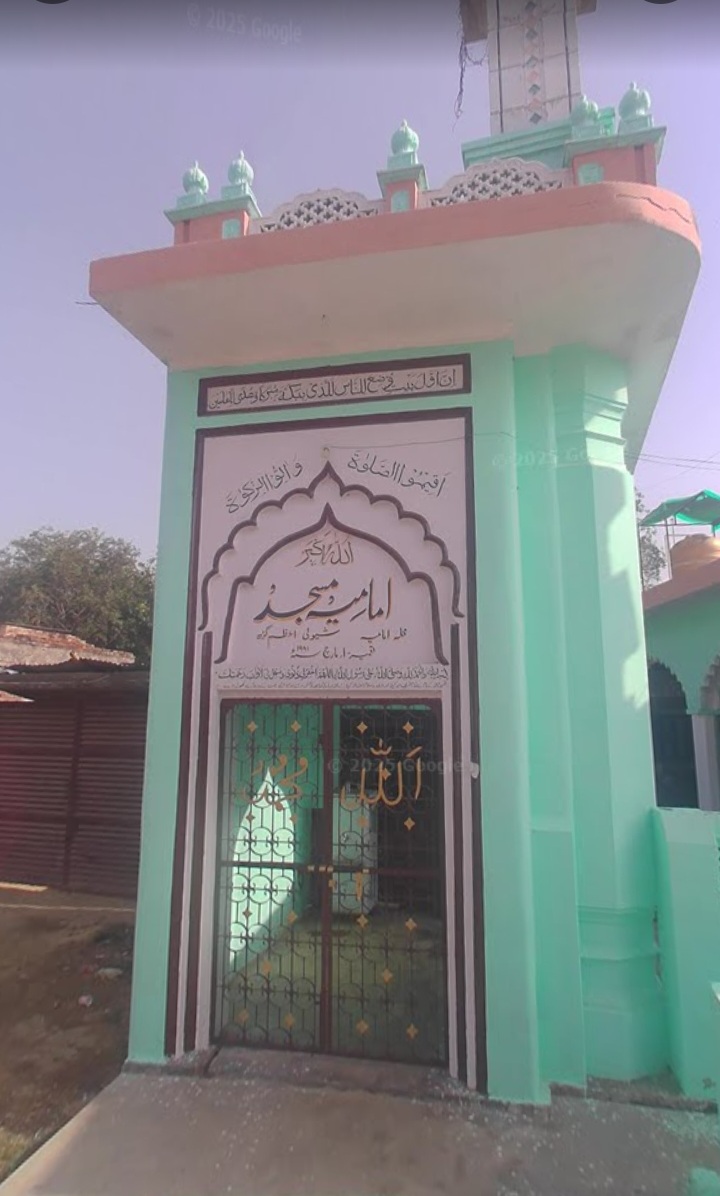
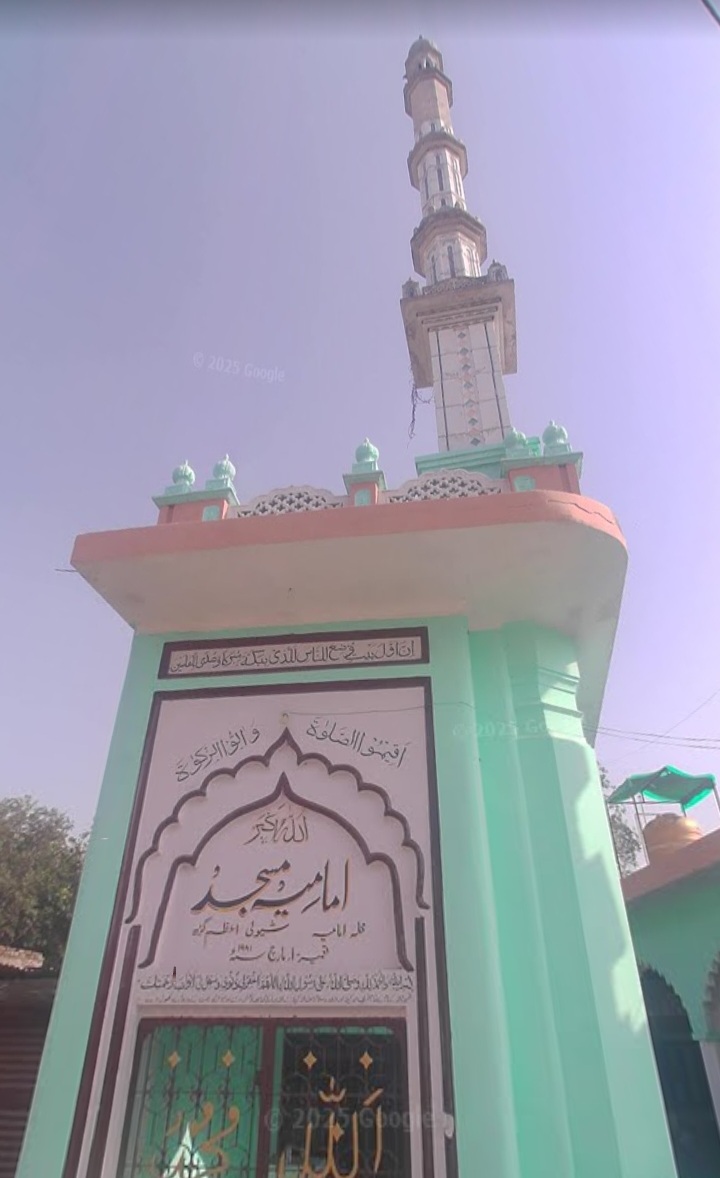
Imamiya Masjid, a serene local mosque in the village of Shivli within Azamgarh district, Uttar Pradesh, stands as a modest yet enduring testament to the region's Islamic heritage. Nestled in the rural heartland of Purvanchal, it serves as a vital center for community prayers and spiritual reflection, embodying the simple architectural ethos of 19th-century vernacular mosques in eastern Uttar Pradesh.
Tucked away in the verdant plains of Shivli village, approximately 15 kilometers northeast of Azamgarh town, Imamiya Masjid emerges as a quiet beacon of faith amid the agricultural expanse of Uttar Pradesh's Purvanchal region. Constructed in 1852 during the waning years of British colonial influence over the erstwhile North-Western Provinces, the mosque reflects the unadorned yet resilient style of local Islamic architecture prevalent in rural Awadh and surrounding areas. Its origins trace back to a period when Azamgarh—itself founded in 1665 by Azam, son of Vikramajit, a Rajput convert to Islam—was evolving as a cultural crossroads, blending ancient Kosala legacies with Mughal-era Islamic influences that had permeated the district since the 16th century. The mosque's name, "Imamiya," evokes reverence for the Imams central to Shia Islam, suggesting it may have been established by or for the local Shia Muslim community, which forms a significant demographic in Azamgarh. Though not a grand imperial edifice like the Jama Masjid of Agra or the Bara Imambara of Lucknow, Imamiya Masjid's historical significance lies in its role as a grassroots institution. Built at a time when the 1857 Indian Rebellion (also known as the First War of Independence) was brewing in nearby Awadh, it provided spiritual solace to villagers amid socio-political upheavals. Local lore, preserved through oral traditions in Shivli, recounts how the structure was funded by community contributions from landed Muslim families, underscoring the mosque's foundation in collective piety rather than royal patronage. Architecturally, Imamiya Masjid adheres to a straightforward hypostyle design typical of provincial mosques in 19th-century Uttar Pradesh. The prayer hall, oriented toward the qibla, features a series of brick arches supported by sturdy columns, creating an intimate space for the faithful. Its facade, constructed primarily from locally sourced bricks and lime mortar, includes a modest mihrab niche adorned with simple geometric stucco work—a subtle nod to Indo-Islamic motifs without the opulence of marble inlays seen in urban counterparts. The minaret, a slender single tower rising modestly from one corner, serves both as a call-to-prayer vantage and a symbol of vertical aspiration, while the surrounding courtyard, enclosed by low walls, fosters communal gatherings during Eid and Muharram observances. Over the decades, minor restorations have preserved its integrity, ensuring that the original baked-brick dome over the mihrab remains intact, a rare survival in rural settings prone to monsoonal wear. Geographically, the mosque's location at 26.1167° N, 83.2333° E places it within the fertile alluvial plains drained by the Tons River, a tributary of the Ghaghara, contributing to Azamgarh's reputation as an agricultural hub. This setting not only influenced the mosque's construction materials—drawn from nearby kilns—but also its enduring function as a social anchor for Shivli's agrarian Muslim populace, who rely on rice, wheat, and sugarcane cultivation. The pincode 276208, serviced by the Azamgarh Head Post Office, connects this remote site to broader networks, facilitating pilgrimages from neighboring villages. Today, Imamiya Masjid continues to pulse with daily rhythms of worship, its unpretentious form a poignant reminder of Islam's deep-rooted presence in Azamgarh's tapestry. As a protected local heritage site under informal community stewardship, it invites reflection on how ordinary spaces like this have sustained faith across generations, far from the grandeur of Delhi's minars or Lucknow's labyrinths. For those tracing Uttar Pradesh's Islamic history, Imamiya Masjid offers an authentic glimpse into the lived devotion of the region's heartland, where spirituality unfolds not in splendor, but in steadfast simplicity.
Year of Built: Not Available
Address: 342G+X84, Shivli, Uttar Pradesh 276206
Country: India
State: Uttar Pradesh
District: Azamgarh
Pincode: 276206
Longitude: 83.2333° E
Latitude: 26.1167° N