
Indo Islamic Heritage


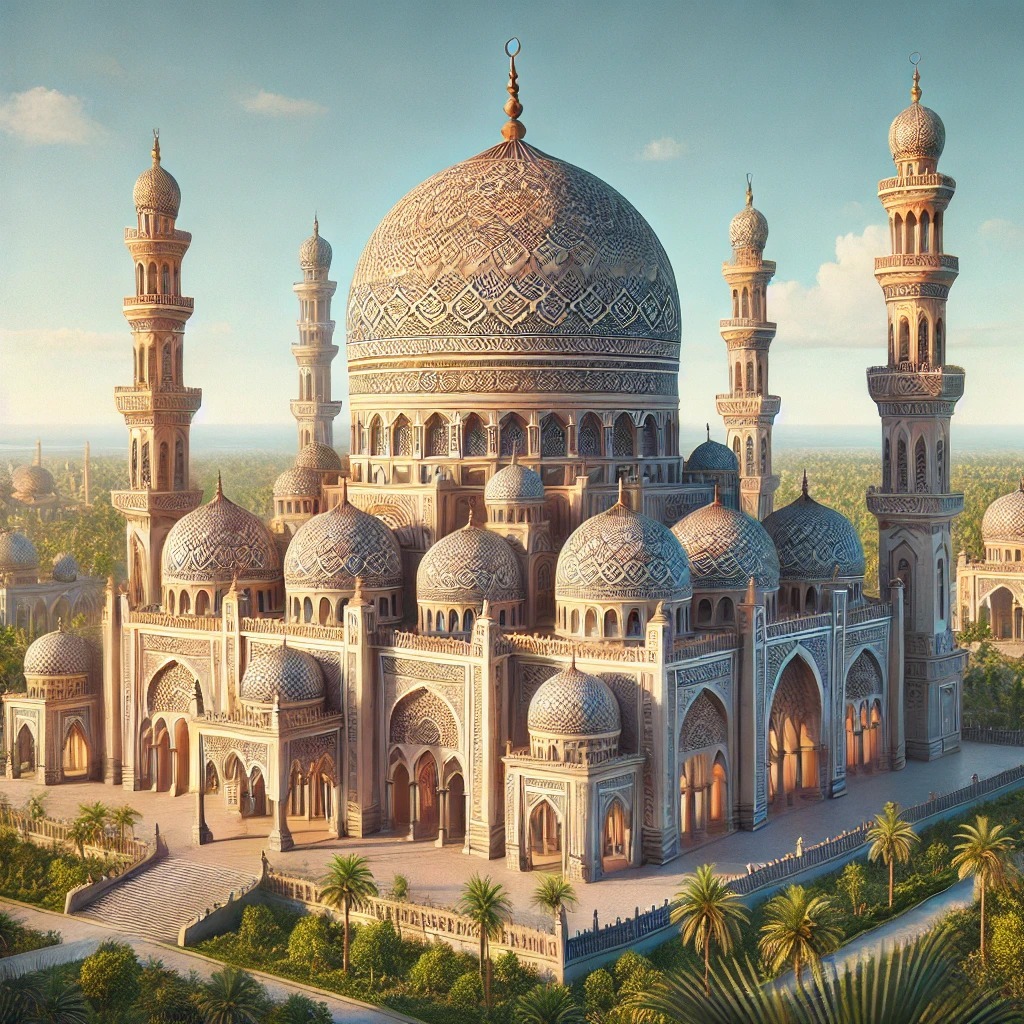
The Old Jama Masjid Ahle Hadees, nestled in the quiet village of Shahpur Mughlani in Barji, Azamgarh district, Uttar Pradesh, stands as a modest yet revered local mosque affiliated with the Ahl-e-Hadith tradition. It serves as a spiritual hub for the community, embodying the simplicity and scriptural focus of the sect while reflecting the rural Islamic heritage of eastern Uttar Pradesh.
Tucked away in the verdant plains of Azamgarh district, the Old Jama Masjid Ahle Hadees in Shahpur Mughlani represents a poignant chapter in the tapestry of India's localized Islamic architecture and community devotion. This unassuming structure, rooted in the Ahl-e-Hadith movement—a reformist strand of Sunni Islam emphasizing direct adherence to the Quran and authentic Hadith traditions—has long been a beacon for worshippers in this rural enclave. Unlike the grand Mughal-era monuments that dominate narratives of Indian Islamic heritage, such as the Jama Masjid in Delhi or the Atala Masjid in Jaunpur, this mosque embodies the grassroots evolution of faith in post-independence Uttar Pradesh, where small, functional places of prayer sustained the spiritual life of agrarian communities. The mosque's origins trace back to the mid-20th century, a period when the Ahl-e-Hadith influence began to take firmer root in eastern Uttar Pradesh amid the broader socio-religious ferment following India's partition. Local oral histories and community records suggest it was established around the 1950s by devout followers seeking a dedicated space for congregational prayers aligned with the sect's puritanical ethos, which eschews elaborate rituals and saint veneration in favor of unadorned worship. Though precise construction details remain scarce—typical of many village mosques built through communal effort and modest donations—the structure likely emerged from simple brickwork and lime plaster, reflecting the resource constraints and practical needs of the time. Its "old" moniker, earned over decades, underscores its status as the village's primary mosque, predating newer constructions and serving as a repository of collective memory for generations of residents. Architecturally, the Old Jama Masjid Ahle Hadees adheres to the understated style characteristic of Ahl-e-Hadith places of worship, prioritizing functionality over ornamentation. The prayer hall, oriented toward the qibla, features a plain mihrab (prayer niche) carved modestly into the western wall, flanked by minimalistic arches that allow natural light to filter through latticed windows. The courtyard, though compact, facilitates Friday gatherings (Jumu'ah) for up to a few hundred devotees, with a small ablution area ensuring ritual purity. Absent are the domes, minarets, or intricate calligraphy that grace more opulent sites; instead, the mosque's charm lies in its raw authenticity, with walls bearing faint traces of age-old plaster repairs and floors worn smooth by countless prostrations. This simplicity mirrors the sect's theological stance, promoting equality in prayer without hierarchical embellishments. Today, the Old Jama Masjid Ahle Hadees remains a vital community anchor, hosting daily salahs, Quranic study circles (halaqas), and occasional lectures on Hadith exegesis. It stands as a testament to the enduring resilience of rural Islamic practice, inviting reflection on how humble spaces like this one have preserved faith's essence amid India's sweeping historical tides—from Mughal splendor to colonial disruptions and modern secularism. For those tracing the quieter threads of Indian heritage, a visit here offers not grandeur, but the profound intimacy of lived devotion.
Year of Built: Not Available
Address: 44WR+4QW, Barji, Uttar Pradesh 276135
Country: India
State: Uttar Pradesh
District: Azamgarh
Pincode: 276135
Longitude: 83.2500° E,
Latitude: 26.0700° N