
Indo Islamic Heritage


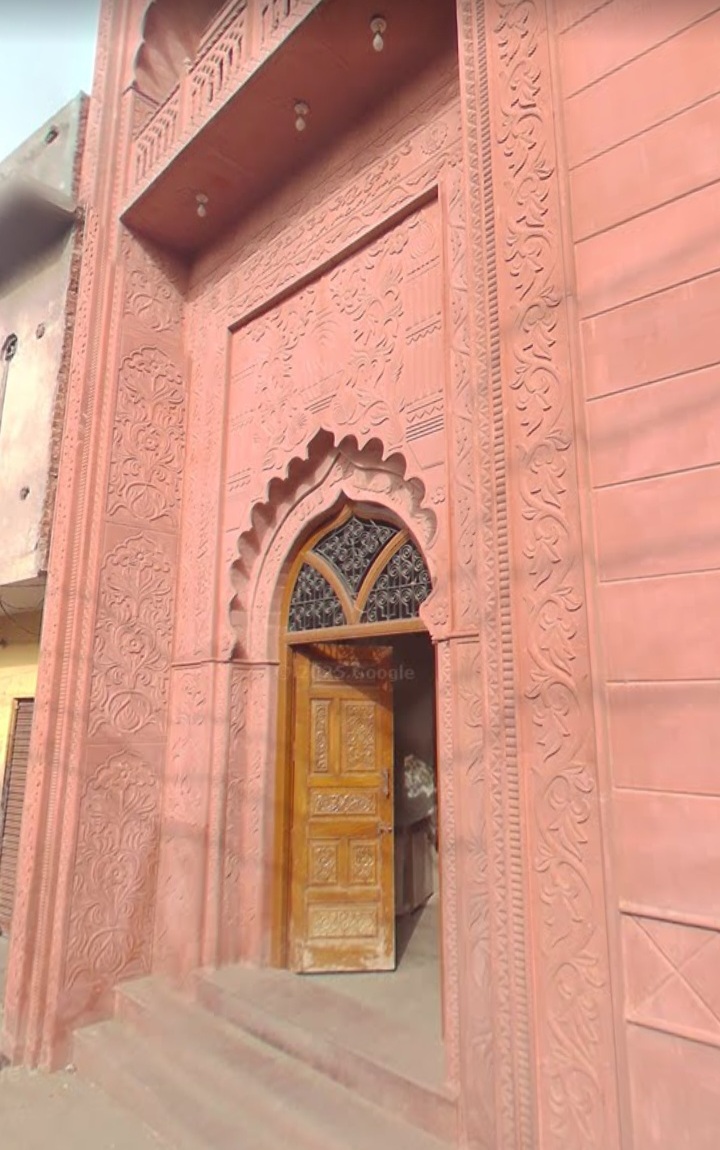
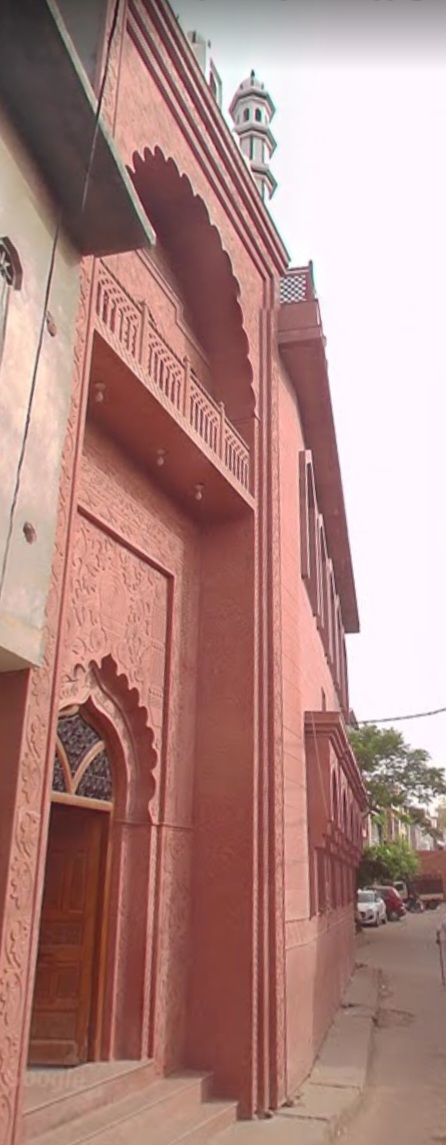
Mandi Wali Masjid stands as a modest yet enduring testament to the Islamic architectural heritage in the rural heartland of Baghpat, Uttar Pradesh. Nestled in the village of Mugalpura, this historic mosque serves as a vital community prayer site, reflecting the syncretic cultural fabric of the Doab region. Constructed in the early 20th century, it features simple brickwork and arched facades typical of local Indo-Islamic styles, offering a serene space for worship amid the agrarian landscapes.
In the verdant plains of Baghpat district, where the Yamuna River's gentle curves have long nourished fertile farmlands, Mandi Wali Masjid emerges as a quiet sentinel of faith and history. Located in the village of Mugalpura—derived from "Mughal Pura," evoking echoes of the grand Mughal legacy that once swept across northern India—this mosque embodies the understated elegance of local Islamic architecture. Built circa 1920 during the twilight of British colonial rule, when the region was part of the United Provinces, the structure was erected to serve the spiritual needs of the growing Muslim agrarian community in this market-oriented village, aptly named after its bustling "mandi" or marketplace. The mosque's construction aligns with a broader wave of mosque-building in rural Uttar Pradesh during the early 20th century, a period marked by communal harmony and revivalist fervor under the influence of reform movements like the Deobandi school. Crafted from locally sourced red bricks and lime mortar, Mandi Wali Masjid exemplifies the practical Indo-Islamic vernacular style prevalent in the Doab: its prayer hall is oriented toward the qibla with a prominent mihrab niche adorned in subtle stucco work, flanked by arched openings that allow natural light to filter through latticed jaali screens. The facade bears a single minaret-like turret, modest in height, which rises against the skyline to call the faithful to prayer five times a day. Though not as ornate as the grand imperial mosques of Delhi or Agra, its simplicity speaks to the resilience of everyday devotion—its walls have witnessed generations of villagers gathering for Jumu'ah prayers, Eid celebrations, and quiet supplications amid the rhythms of harvest and monsoon. Historically, Mugalpura itself traces its roots to the Mughal era, when Baghpat—once known as Vyaghraprastha in ancient texts—was a pargana under the Delhi Subah, yielding substantial revenue in grains and textiles as noted in Akbar's Ain-i-Akbari. The mosque's establishment in the 1920s coincided with the village's role as a grain trading hub, where merchants and farmers from surrounding areas converged, fostering a microcosm of multicultural exchange. Over the decades, it has remained a cornerstone of community life, hosting not only religious rites but also charitable iftars during Ramadan and educational madrasa sessions for local youth. Preserved through oral traditions and familial stewardship rather than grand endowments, the mosque stands resilient against the encroachments of modernity, its courtyard a shaded oasis of date palms and introspection. Today, Mandi Wali Masjid continues to draw devotees from Mugalpura and nearby hamlets, symbolizing the enduring Islamic presence in Baghpat's tapestry of Jat, Muslim, and Hindu lineages.
Year of Built: Not Available
Address: Mugalpura, near Sabji Mandi, Baghpat Bangar, Baghpat, Uttar Pradesh 250609
Country: India
State: Uttar Pradesh
District: Baghpat
Pincode: 250609
Longitude: 77.22°E
Latitude: 28.95°N