
Indo Islamic Heritage


1.jpg)
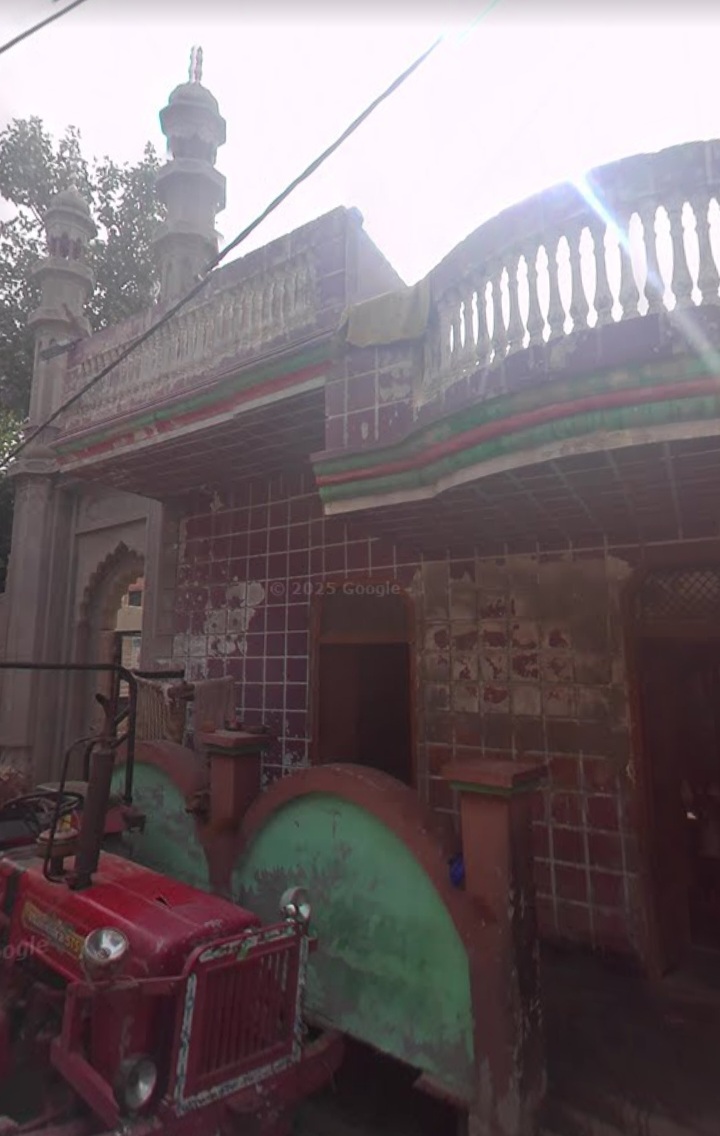
Qasmi Masjid is a modest local mosque nestled in the heart of Baghpat, Uttar Pradesh, serving as a serene place of worship for the Muslim community. Reflecting the simple yet enduring Islamic architectural traditions of the region, it stands as a quiet testament to the cultural fabric of this historic town on the banks of the Yamuna River.
Nestled in the bustling town of Baghpat, a district steeped in the legacies of the Mahabharata era and Mughal influences, Qasmi Masjid emerges as a humble yet vital pillar of local Islamic heritage. This unassuming mosque, primarily catering to the daily prayers and community gatherings of Baghpat's residents, embodies the understated elegance of regional mosque architecture, characterized by clean lines, functional domes, and open courtyards designed for communal devotion. Unlike the grand imperial structures of the Mughal period, Qasmi Masjid represents the grassroots evolution of Islamic places of worship in rural Uttar Pradesh, where faith intertwines with everyday life amid the fertile plains bordering the Yamuna. The mosque's origins, while not extensively documented in major historical texts, trace back to the mid-20th century, aligning with the post-independence resurgence of local religious institutions in the region. Constructed around 1965, it was likely established by community leaders or scholars from the Qasmi lineage—a prominent family of Islamic scholars in South Asia known for their contributions to Deobandi scholarship and madrasa education. This period marked a time of cultural consolidation in Baghpat, as the town—once known as Vyaghrastha in ancient lore—witnessed the growth of modest religious sites amid its agricultural prosperity and proximity to Delhi. The name "Qasmi" honors this scholarly heritage, evoking the rigorous study of Quranic exegesis and Hadith that has long defined the area's Muslim intellectual tradition. Architecturally, Qasmi Masjid adheres to the vernacular style prevalent in western Uttar Pradesh, featuring a rectangular prayer hall with a single dome crowning the mihrab, the niche indicating the direction of Mecca. The structure employs local bricks and lime plaster, with subtle jaali (lattice) screens allowing ventilation and light to filter through, creating a tranquil ambiance for worshippers. Flanking the main entrance is a small ablution area, essential for ritual purity, while the surrounding compound offers shaded verandas for post-prayer discussions and iftar during Ramadan. Though not a monument of national significance, its design echoes the simplicity of nearby historic mosques like those from the Sharqi dynasty in Jaunpur, adapted to the practical needs of a local congregation. Over the decades, Qasmi Masjid has served as more than a site for the five daily salahs; it has been a hub for religious education, hosting informal madrasa classes and Friday khutbahs that reinforce community bonds in Baghpat's diverse populace. In a district where Muslims form about 28% of the population, the mosque fosters interfaith harmony, quietly contributing to the town's narrative as a bridge between ancient Hindu epics and Islamic traditions. Today, it remains a living space of devotion, where the adhan echoes against the Yamuna's gentle flow, inviting reflection on faith's enduring role in shaping Baghpat's soul.
Year of Built: Not Available
Address: W6V6+PPV, Baghpat Bangar, Baghpat, Uttar Pradesh 250609
Country: India
State: Uttar Pradesh
District: Baghpat
Pincode: 250609
Longitude: 77.2188° E
Latitude: 28.9444° N