
Indo Islamic Heritage


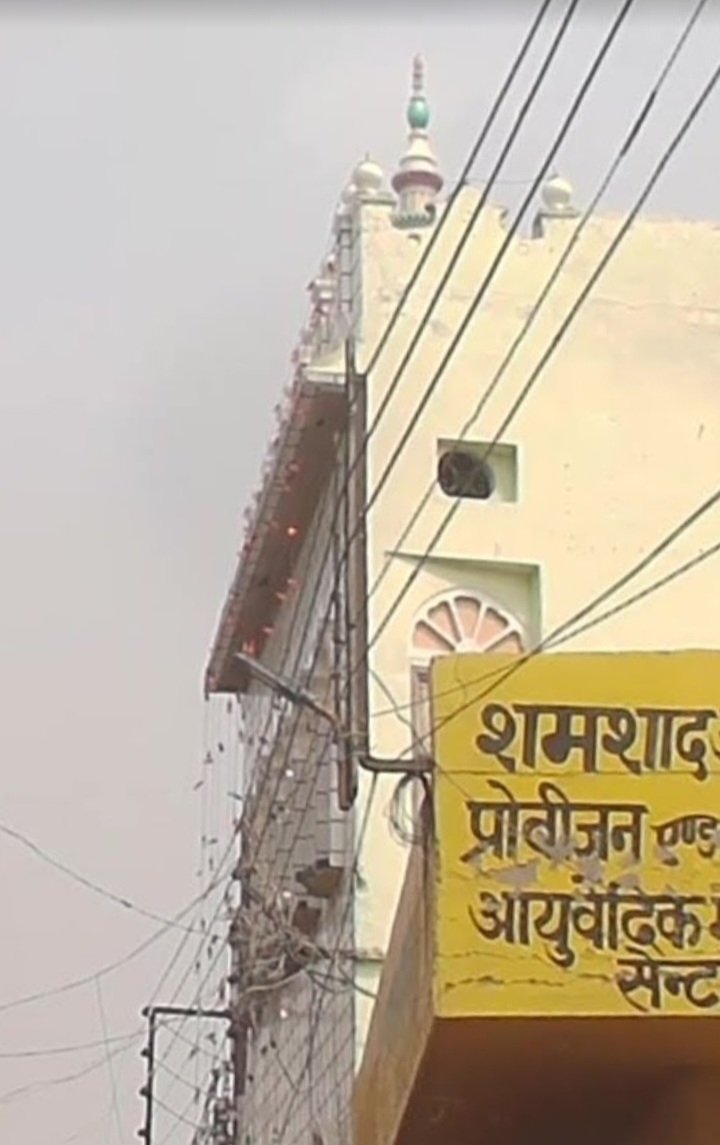
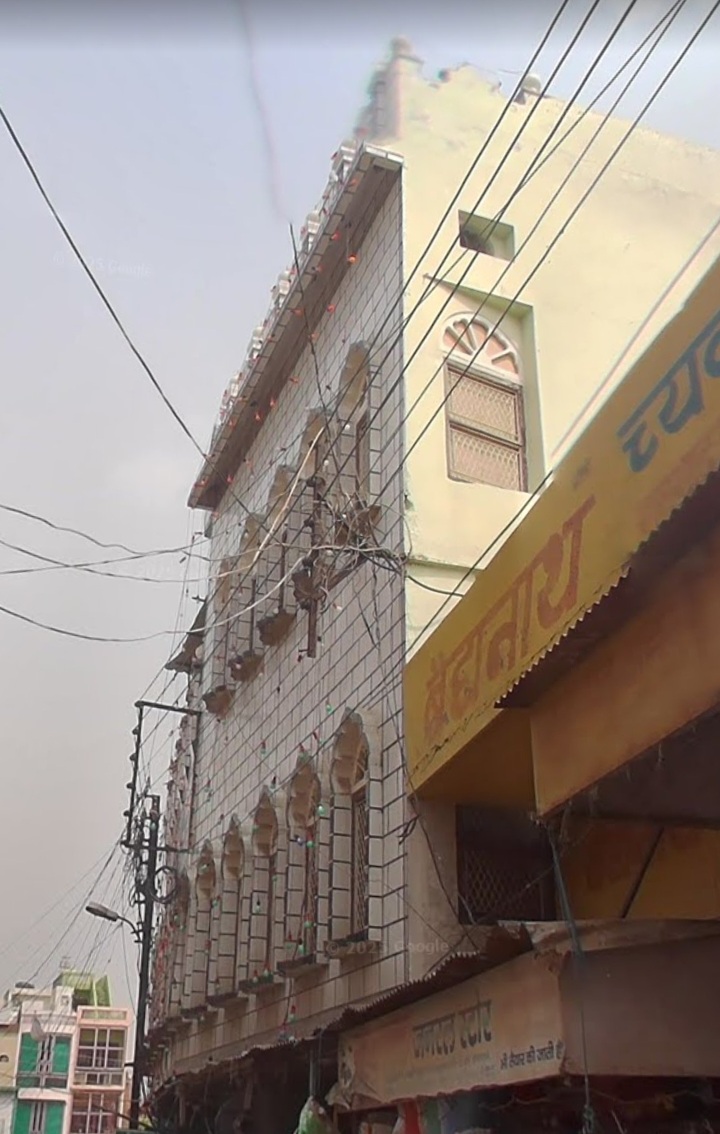
Chatta Vali Masjid, a modest yet evocative local mosque nestled in the historic town of Baghpat Bangar, Baghpat district, Uttar Pradesh, embodies the enduring Islamic heritage of the region. Perched on the banks of the Yamuna River, it serves as a serene congregational space for the community, reflecting the architectural simplicity and spiritual depth of Mughal-influenced local worship sites. With its unassuming design and proximity to ancient trade routes, the mosque stands as a quiet testament to the town's evolution from a medieval pargana to a vibrant cultural hub.
Tucked away in the heart of Baghpat Bangar, the administrative and cultural nucleus of Baghpat district, Chatta Vali Masjid emerges as a poignant emblem of India's layered Islamic legacy. Baghpat itself, with roots tracing back to the Mahabharata-era settlement of Vyaghrastha—a tiger-haunted domain ceded to the Pandavas—underwent profound transformation during the Mughal period. Renamed Baghpat, evoking "garden city," it flourished as a pargana under the Delhi Subah, yielding substantial revenue and military levies as documented in the Ain-i-Akbari. This historical continuum of governance, commerce, and faith set the stage for the mosque's quiet inception, likely during the 17th or 18th century amid the Nawabi and early colonial influences that reshaped the Doab region's sacred landscape. The mosque's nomenclature, "Chatta Vali" or "Umbrella-bearing," hints at a distinctive architectural or symbolic feature—perhaps a shaded dome or canopy evoking the protective shade of divine mercy, a motif resonant in Indo-Islamic design. Though specifics on its construction year remain elusive in archival records, it aligns with the era's proliferation of local masjids, commissioned by regional elites or community endowments to foster piety and solidarity. Erected in an age when Baghpat's mandi (market) thrived under Rohilla chieftains like Zabita Khan, the mosque would have anchored daily rituals for a burgeoning Muslim populace, comprising traders, artisans, and agrarian folk drawn to the Yamuna's fertile banks. Its unpretentious form—characterized by whitewashed walls, arched mihrabs, and a modest minaret—mirrors the vernacular style of Uttar Pradesh's rural mosques, prioritizing communal devotion over grandeur, much like the nearby Kabuli Bagh Mosque in Panipat, a Baburid victory monument from 1527. At its core, Chatta Vali Masjid functions as a jama'at khana, drawing worshippers for the five daily salahs and Friday congregational prayers, where the adhan's call reverberates across the town's labyrinthine lanes. The site's sanctity is amplified by Baghpat's strategic position on the Delhi-Saharanpur highway, a corridor that once ferried pilgrims, merchants, and armies, infusing the mosque with echoes of Sufi travelers and scholarly discourses. Post-1857, as Baghpat ascended to tehsil headquarters amid the Revolt's aftermath, the mosque likely served as a refuge for reflection, its courtyard hosting quiet iftars during Ramzan and Eid processions that weave through the Yamuna's misty dawns. Today, it endures as a living archive, where locals preserve oral traditions of its founding patron—a perhaps-forgotten noble or pious merchant—while the structure withstands the Doab's seasonal monsoons, its lime-plastered facade a canvas of resilience.
Year of Built: Not Available
Address: W6V9+C37, Gandhi Bazar Rd, Baghpat Bangar, Baghpat, Uttar Pradesh W6V9+C37, Gandhi Bazar Rd, Baghpat Bangar, Baghpat, Uttar Pradesh 250609
Country: India
State: Uttar Pradesh
District: Baghpat
Pincode: 250609
Longitude: 77.2185° E
Latitude: 28.9440° N