
Indo Islamic Heritage


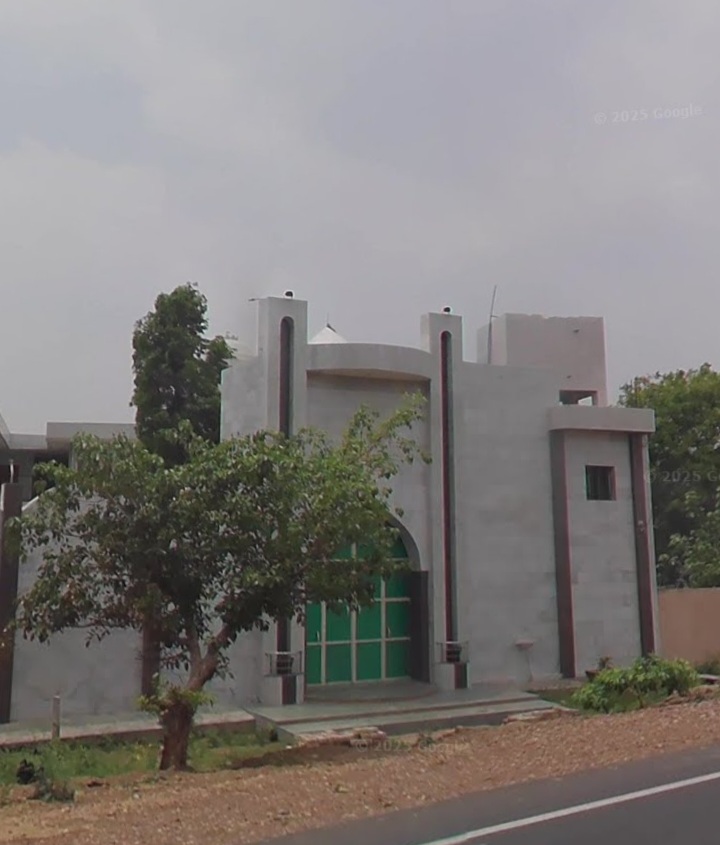
Dargah Hazrat in Habibpur Majra is a modest local mosque and Sufi shrine nestled in the rural landscape of Baghpat district, Uttar Pradesh. Serving as a serene place of worship and spiritual reflection for the local Muslim community, it embodies the quiet devotion characteristic of smaller Islamic sites in northern India. With its simple architecture and community-centric role, it stands as a testament to the enduring Sufi traditions in the region.
In the verdant plains of Baghpat district, where the Yamuna River's gentle flow has long nourished the fertile Doab region between the Ganges and Yamuna, lies the unassuming yet spiritually resonant Dargah Hazrat in the village of Habibpur Majra. This local mosque and shrine, often simply referred to as Dargah Hazrat, represents a humble chapter in Uttar Pradesh's rich tapestry of Islamic heritage—a legacy shaped by Sufi saints, Mughal influences, and the everyday piety of rural communities. Unlike the grand imperial complexes of Delhi or Agra, Dargah Hazrat is a grassroots emblem of faith, drawing devotees from nearby villages for daily prayers, Friday congregations, and occasional Urs observances honoring its revered saint. The site's origins are rooted in the Sufi missionary zeal that swept through northern India from the 12th century onward, a period when Chishti and Suhrawardi orders established khanqahs and dargahs to foster spiritual harmony amid diverse populations. Habibpur Majra, a small agrarian village in Baraut tehsil, emerged as part of this network during the waning years of Mughal rule or the early Nawabi era under the Rohillas, when local chieftains and zamindars patronized modest religious structures. Though precise records are scarce—typical of many village-level sites—the mosque's construction is believed to date to the 18th or 19th century, aligning with the proliferation of such shrines in the upper Doab as safe havens for qawwali sessions, dhikr gatherings, and charitable langars. Its architecture, unadorned yet functional, features a single-domed prayer hall of brick and lime plaster, with arched mihrabs and minarets that echo the Indo-Islamic style adapted to local resources. The central mazar (tomb) of the unnamed Hazrat—likely a pir or Sufi ascetic whose karamat (miracles) are recounted in oral traditions—serves as the focal point, enveloped in simple chadar offerings from pilgrims seeking intercession for health, prosperity, and peace. At its heart, Dargah Hazrat functions primarily as a masjid, accommodating the five daily salahs and Jumu'ah prayers for Habibpur Majra's residents, who number around 2,000 in this predominantly agricultural hamlet. The surrounding enclosure, shaded by neem and banyan trees, hosts community iftars during Ramadan and modest melas on Islamic festivals, underscoring its role as a social anchor in a region historically marked by Jat and Muslim agrarian synergies. Unlike prominent dargahs such as Nizamuddin Auliya's in Delhi, which attract global crowds, this site remains intimately local, preserved through waqf endowments and village mutawallis who maintain its sanctity amid the encroaching rhythms of modern farming and urbanization.
Year of Built: Not Available
Address: X73X+JC, Habibpur Majra, Uttar Pradesh 250601
Country: India
State: Uttar Pradesh
District: Baghpat
Pincode: 250601
Longitude: 77.3167° E
Latitude: 29.0667° N