
Indo Islamic Heritage


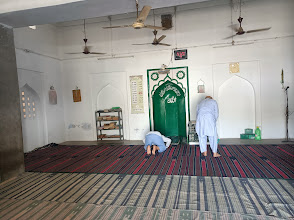
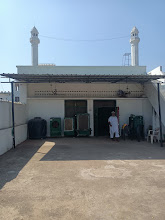
Masjid Shastri Nagar is a modest local mosque nestled in the heart of Shastri Nagar, a residential locality in Banda, Uttar Pradesh. Serving the spiritual needs of the Muslim community in this Bundelkhand town, it stands as a simple yet vital place of worship, reflecting the everyday Islamic heritage of the region amid its arid landscape and historical roots.
Nestled within the quiet lanes of Shastri Nagar, a burgeoning residential enclave in the historic town of Banda, Uttar Pradesh, Masjid Shastri Nagar embodies the understated yet enduring spirit of local Islamic architecture and community devotion in the Bundelkhand region. This unassuming mosque, though not among the grand monuments of Mughal-era splendor that dot northern India, holds its own quiet significance as a focal point for daily prayers, Friday congregations, and communal gatherings in a town steeped in the layered history of medieval forts, temples, and Sufi influences. Banda, located along the banks of the Ken River in the Chitrakoot Division, traces its origins to ancient times, with references in epics like the Mahabharata and a prominent role during the Chandela and Bundela dynasties. The arrival of Islam in the area, facilitated by Sufi saints and later Mughal administrators, wove threads of syncretic culture into the fabric of Bundelkhand. While Banda is better known for sites like the imposing Kalinjar Fort or the serene Ramghat, Masjid Shastri Nagar represents the more intimate, grassroots expression of this heritage—a local edifice built to serve the faithful in a post-independence urban expansion. The mosque's construction reflects the practical ethos of mid-20th-century community efforts, likely erected in the 1960s or 1970s during the wave of infrastructural development following India's independence, when neighborhoods like Shastri Nagar—named after the revered Prime Minister Lal Bahadur Shastri—emerged to house a growing population of artisans, traders, and farmers. Though specific records of its founding are scarce, reflecting its status as a community-built structure rather than a royal commission, it was probably initiated by local Muslim residents drawing on traditional designs adapted to modest resources. The architecture is characteristically simple: a rectangular prayer hall with whitewashed walls, arched doorways, and a single minaret that calls the adhan across the neighborhood's rooftops. Inside, the mihrab—adorned with subtle geometric motifs—faces Mecca, while the qibla wall bears faint traces of Quranic calligraphy, evoking the timeless rituals of salat. At its core, Masjid Shastri Nagar is more than stone and mortar; it is a living testament to the resilience of Banda's Muslim community, which forms a vibrant mosaic alongside Hindu and other traditions in this multi-faith town. Here, the five daily prayers punctuate the rhythm of life, from the pre-dawn Fajr that stirs the faithful amid the cool Bundelkhand mornings to the communal iftar during Ramadan, shared under the mosque's shaded courtyard. Special occasions like Eid ul-Fitr see the grounds swell with worshippers, their colorful attire contrasting the mosque's austere facade, fostering bonds that transcend daily toil in nearby markets or fields. Today, the mosque continues to adapt, perhaps with recent additions like solar panels or expanded ablution areas to meet modern needs, while preserving its role as a sanctuary of reflection and unity. For visitors seeking the authentic pulse of Islamic life in rural Uttar Pradesh, Masjid Shastri Nagar offers a poignant glimpse into how faith endures in the everyday—far from the opulence of Delhi's Jama Masjid or Agra's Taj, but no less profound in its quiet devotion.
Year of Built: Not Available
Address: F85W+4FM, Shastri Nagar, Banda, Uttar Pradesh 210001
Country: India
State: Uttar Pradesh
District: Banda
Pincode: 210001
Longitude: 80.334°E
Latitude: 25.437°N