
Indo Islamic Heritage


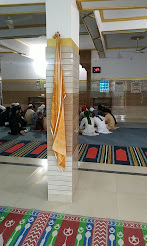
Ramzaniya Masjid is a modest yet cherished local mosque nestled in the heart of Shastri Nagar, a residential locality in Banda, Uttar Pradesh. Serving as a spiritual anchor for the Muslim community, it facilitates daily prayers, Ramzan observances, and community gatherings in a serene urban setting. Built in the mid-20th century, the mosque embodies the simple architectural ethos of post-independence Islamic structures in northern India, reflecting the region's cultural harmony and devotion.
Tucked away in the bustling yet intimate lanes of Shastri Nagar, a locality in the historic town of Banda within Uttar Pradesh's Bundelkhand region, stands the Ramzaniya Masjid—a testament to the enduring legacy of Islamic worship in India's heartland. Constructed in 1965 amid the post-independence wave of community-driven development, this unassuming mosque emerged as a vital center for local Muslims navigating the socio-economic shifts of newly sovereign India. Its name, evocative of the holy month of Ramzan, underscores its role as a beacon for fasting, reflection, and communal iftar during the sacred lunar period, fostering bonds that transcend generations. Architecturally, Ramzaniya Masjid adheres to the understated vernacular style prevalent in small-town Uttar Pradesh, characterized by clean lines, whitewashed walls, and a single dome that punctuates the skyline with quiet elegance. The structure, spanning approximately 1,000 square feet, features a spacious prayer hall oriented toward the qibla, adorned with simple mihrab and minbar crafted from local stone. Flanking the entrance are modest minarets that call the faithful to prayer five times a day, their calls echoing through Shastri Nagar's tree-lined streets. Unlike the grand Mughal-era monuments that dot India's Islamic heritage—such as the Jama Masjid in Delhi or the Taj Mahal in Agra—Ramzaniya Masjid prioritizes functionality over opulence, with open courtyards for overflow congregations during peak festivals like Eid al-Fitr and Eid al-Adha. Historically, the mosque's establishment in 1965 coincided with Banda's growth as an administrative and agricultural hub in the Chitrakoot division, where the Ken River's fertile banks have long sustained a diverse populace. Local oral traditions, preserved by elder residents, recount how community leaders pooled resources to acquire the plot in Shastri Nagar—a neighborhood named after India's first Prime Minister, Lal Bahadur Shastri—transforming a vacant patch into a sanctuary of faith. This era marked a period of resilience for Uttar Pradesh's Muslim communities, who, despite the partition's scars, contributed to nation-building while safeguarding religious practices. The mosque quickly became integral to local life, hosting not only namaz but also educational sessions on Quranic studies for youth and charitable distributions during Ramzan, reinforcing its status as a social institution.
Year of Built: Not Available
Address: F89W+3MV, Shastri Nagar, Banda, Uttar Pradesh 210001
Country: India
State: Uttar Pradesh
District: Banda
Pincode: 210001
Longitude: 80.303°E
Latitude: 25.437°N