
Indo Islamic Heritage


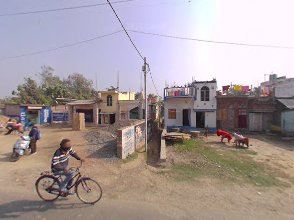
Shah Gada Dargah in Old Malda is a sacred shrine dedicated to a revered Sufi saint who contributed to the spiritual and cultural landscape of Bengal. Nestled within the historic region of Old Malda, the Dargah draws devotees and pilgrims who come to seek blessings, healing, and inner peace. Its modest yet spiritually significant structure embodies centuries of devotion, faith, and tradition. The Dargah not only represents a place of worship but also serves as a center for communal harmony, where people from diverse backgrounds gather, reaffirming the universal values of love, compassion, and spiritual brotherhood preached by the Sufis.
Shah Gada Dargah, located in Old Malda, West Bengal, is one of the significant Sufi shrines of the region. Though less widely known than the monumental Adina Masjid or the Pandua Sharif Dargah, it holds immense local importance as a center of faith, spirituality, and community gathering. Dedicated to the memory of Shah Gada, a Sufi saint who lived and preached in the area, the Dargah reflects the enduring legacy of Bengal’s rich spiritual and cultural traditions. The shrine, situated within the historic limits of Old Malda, is visited by people of different communities, reaffirming its role as a beacon of inclusivity and harmony. Sufi saints like Shah Gada emphasized values such as compassion, humility, and devotion to God, transcending boundaries of caste, creed, and status. His life and teachings attracted disciples and devotees, many of whom contributed to the spread of Sufi philosophy and the message of universal brotherhood in Bengal. The Dargah today stands as a reminder of these timeless principles, continuing to inspire devotion and reverence. Architecturally, Shah Gada Dargah is modest in scale, in contrast with the grand structures of Pandua or Gour. Its design reflects the simple yet dignified style typical of regional Sufi shrines. The sanctum housing the saint’s tomb is covered with green chadors, and offerings of flowers and incense by devotees add to the atmosphere of piety. The surrounding courtyard allows space for prayer, contemplation, and gatherings during religious events. The humble architecture signifies that the power of the shrine lies not in its grandeur but in the depth of faith it inspires. The Dargah is especially vibrant during the annual urs (death anniversary) of Shah Gada. Pilgrims gather in large numbers to pay homage, participate in communal prayers, and listen to qawwali performances that glorify the love of God and the saint’s spiritual legacy. These gatherings transform the shrine into a hub of cultural expression, where music, prayer, and community bonding intertwine to create a spiritually charged environment. Historically, Old Malda has been an important settlement and cultural hub, and the presence of shrines like Shah Gada Dargah testifies to its long-standing religious and spiritual heritage. Sufi saints often settled in such towns because of their strategic and cultural importance, and their shrines became centers of learning, healing, and social cohesion. The Dargah continues to serve these roles in contemporary times, providing solace to devotees seeking divine blessings and acting as a space for collective remembrance. Today, Shah Gada Dargah remains a living institution of faith. Its spiritual aura, local reverence, and cultural importance make it a vital component of Malda’s diverse heritage. Though modest in appearance, its significance in the hearts of devotees makes it an enduring landmark of Old Malda, symbolizing the region’s deep-rooted connection with Sufi spirituality and the timeless message of unity through love.
Year of Built: Estimated 15th–16th Century CE
Address: 344P+JGG, Old Malda, West Bengal, India
Country: India
State: West Bengal
District: Malda
Pincode: 732128
Longitude: 88.1560 E
Latitude: 25.0540 N