
Indo Islamic Heritage


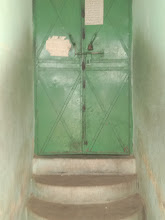
Masjid-e-Khudadad, a modest yet cherished local mosque in the heart of Banda, Uttar Pradesh, embodies the enduring spirit of Islamic devotion in the Bundelkhand region. Situated at Mardan Naka near Chhoti Bazar, it serves as a serene place of worship for the community, reflecting the simple architectural ethos of regional mosques. Established in the early 20th century, the mosque stands as a quiet testament to the historical Muslim presence in Banda, a district with roots tracing back to prehistoric times.
Nestled in the bustling Mardan Naka locality of Banda, Masjid-e-Khudadad emerges as a poignant emblem of local Islamic architecture and communal resilience within the culturally rich Bundelkhand landscape. Named "Masjid-e-Khudadad"—translating to the "Mosque Given by God"—it evokes a sense of divine benevolence, a theme resonant with the humble origins of many vernacular mosques in Uttar Pradesh's heartland. Unlike the grand Mughal-era edifices that dominate India's Islamic heritage narrative, such as the Jama Masjid in Delhi or the Atala Masjid in Jaunpur, Masjid-e-Khudadad represents the understated legacy of grassroots Islamic practice, where faith manifests through community initiative rather than imperial patronage. Banda district, where the mosque is located, boasts a layered historical tapestry that predates the Islamic era by millennia. Archaeological evidence, including Paleolithic and Neolithic artifacts unearthed in the region, attests to human habitation as far back as the Stone Age, underscoring the area's antiquity long before the advent of Islam in the Indian subcontinent. The arrival of Muslim influences in Bundelkhand can be traced to the medieval period, with the Delhi Sultanate and later Mughal expansions bringing architectural and cultural imprints. However, Masjid-e-Khudadad's story is more intimately tied to the colonial and post-colonial phases. Constructed around 1920, during the waning years of British rule, it was likely erected by local Muslim artisans and philanthropists amid the socio-religious ferment of the early 20th century. This era saw a surge in community-funded religious sites across Uttar Pradesh, as Muslims navigated identity and preservation in a rapidly changing political landscape. The mosque's founding aligns with broader efforts to fortify local Islamic institutions, echoing the spirit of self-reliance seen in contemporaneous structures like the modest prayer halls in nearby Fatehpur or Hamirpur districts. Architecturally, Masjid-e-Khudadad adheres to the unpretentious style typical of small-town mosques in northern India: a single-domed prayer hall flanked by modest minarets, constructed primarily from locally sourced brick and lime mortar, with subtle influences from Indo-Islamic motifs such as arched mihrabs and geometric jaali screens for ventilation. Its facade, facing the lively Mardan Naka thoroughfare, features a simple portico that invites worshippers from the surrounding Chhoti Bazar area—a vibrant node of commerce and daily life in Banda. The interior, oriented toward the qibla, accommodates a congregation of around 200-300, with woven prayer mats and walls adorned with calligraphic verses from the Quran, fostering an atmosphere of introspection amid the mosque's functional design. Though not a protected monument like the grand Shahi Jama Masjid in Sambhal—built in 1526 by Babur and recognized as the oldest surviving Mughal mosque in South Asia—Masjid-e-Khudadad holds its own quiet significance as a living archive of Banda's Muslim heritage.
Year of Built: Not Available
Address: Mardan Naka Rd, near policechuki, Chhoti Bazar, Banda, Uttar Pradesh 210001
Country: India
State: Uttar Pradesh
District: Banda
Pincode: 210001
Longitude: 80.3167° E
Latitude: 25.4333° N