
Indo Islamic Heritage


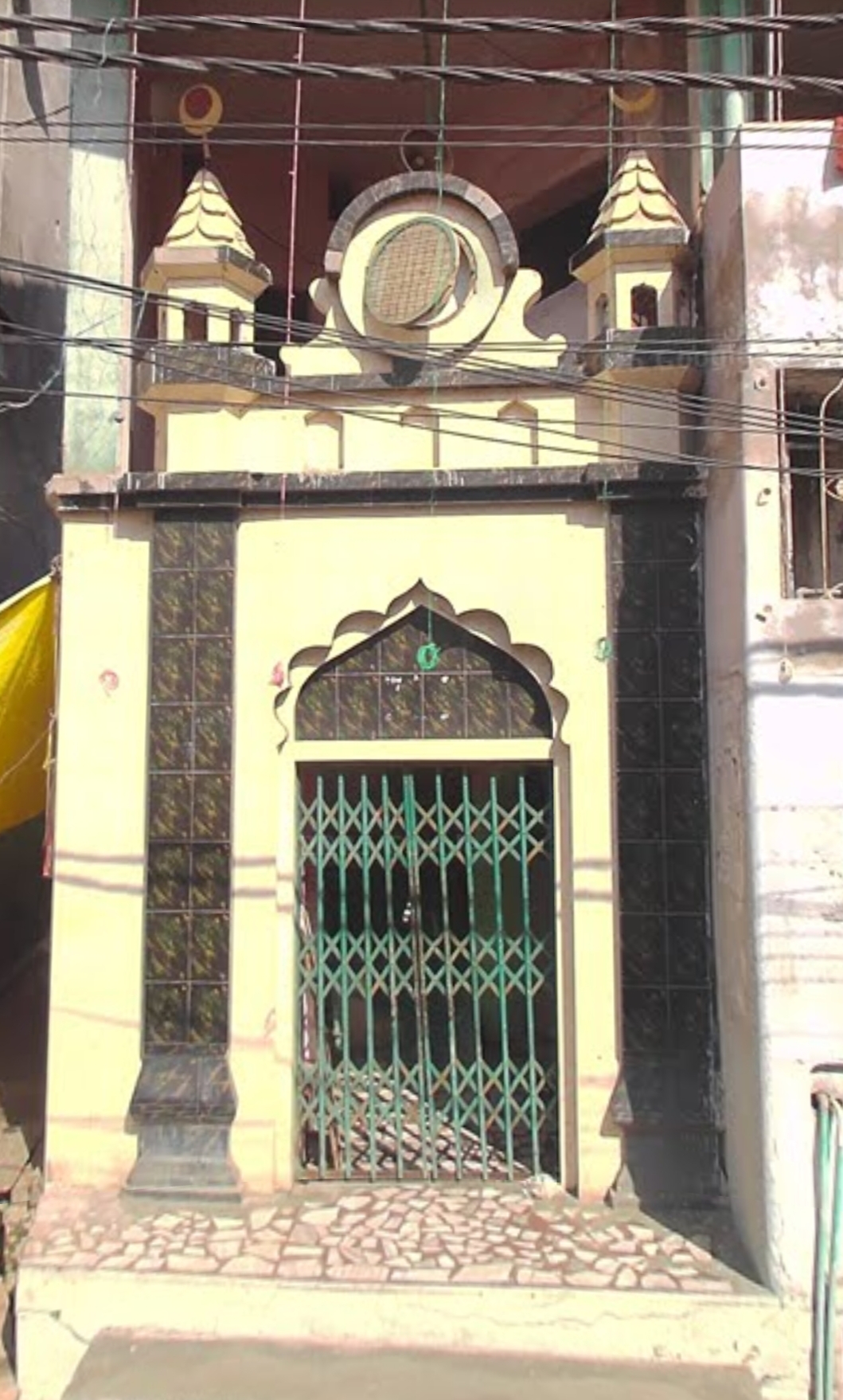
Madina Masjid, a modest yet enduring relic of the Tughlaq era, stands as one of the oldest surviving mosques in Banda district. Perched near the bustling Gular Naka crossroads and the historic Banda Railway Station, this 14th-century structure exemplifies early Indo-Islamic architecture with its simple stone facade and arched prayer hall.
Nestled in the heart of Banda, a district steeped in antiquity where Paleolithic remnants whisper of human presence from millennia past, Madina Masjid emerges as a poignant testament to the Tughlaq dynasty's architectural legacy in northern India. Constructed during the 14th century under the patronage of the Tughlaq rulers—who expanded Islamic influence across the subcontinent through fortresses, madrasas, and places of worship—this mosque represents a pivotal chapter in Uttar Pradesh's Islamic history. The Tughlaq period, marked by emperors like Muhammad bin Tughlaq and Firoz Shah Tughlaq, was characterized by bold experimentation in design, blending Persian influences with indigenous Indian elements such as sturdy stonework and functional minimalism. Madina Masjid, with its unadorned yet robust build, embodies this ethos: a single-domed prayer chamber flanked by modest minarets, crafted from local sandstone that has weathered centuries of monsoons and migrations. The mosque's location at Gular Naka, a vital junction linking Banda's colonial-era railway infrastructure to the surrounding agrarian plains, underscores its role as a communal anchor. Positioned at approximately 25.4394° N latitude and 80.3256° E longitude—coordinates that place it amid the undulating terrain of the Baghein River valley—it overlooks the Ken River's eastern reaches, a waterway that has sustained Bundelkhand's spiritual and economic life since antiquity. The pincode 210001 ties it firmly to Banda's central post office network, facilitating its enduring presence in the daily rhythms of the faithful. Though modest in scale compared to the grand Mughal-era Jama Masjids of Delhi or Fatehpur Sikri, Madina Masjid's survival through the vicissitudes of history—from the Nawabi interregnums to British colonial surveys—highlights the resilience of grassroots Islamic architecture in rural Uttar Pradesh. Architecturally, the mosque adheres to Tughlaq principles of austerity and utility, eschewing ornate calligraphy or intricate jaali work in favor of geometric arches and a spacious courtyard that fosters communal prayer. Its mihrab, oriented toward Mecca, remains a focal point for the five daily salahs, drawing locals who value its quiet sanctity amid the district's granite quarries and sesame fields—Banda's moniker as the "City of Sejar Stone" aptly frames this stone-hewn sanctuary. As a protected monument under the Archaeological Survey of India, Madina Masjid not only preserves Tughlaq-era techniques but also invites reflection on the syncretic threads of Indian Islam, where sultanic edicts intertwined with local devotion. Today, it stands as a hushed chronicle of faith, its walls echoing the adhan across Gular Naka's crossroads, a bridge between Banda's ancient past and its vibrant present.
Year of Built: Not Available
Address: F8FP+924, Sabji Mandi Rd, Gular Naka, Sumerpur, Banda, Uttar Pradesh 210502
Country: India
State: Uttar Pradesh
District: Banda
Pincode: 210502
Longitude: 80.3256° E
Latitude: 25.4394° N