
Indo Islamic Heritage


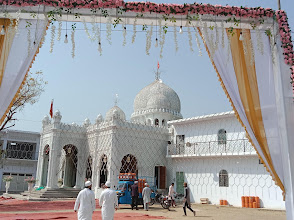
Astana e Sayyed Ghazi Rabbani is a revered Sufi shrine (dargah) in Shastri Nagar, Banda, Uttar Pradesh, dedicated to the memory of Hazrat Sayyed Ghazi Rabbani (R.A.), a saintly figure in the local Islamic tradition. Situated in a modest urban locality, it serves as a serene spiritual hub for devotees seeking blessings and solace, embodying the syncretic cultural heritage of the Bundelkhand region.
Nestled in the heart of Shastri Nagar, a bustling yet unassuming residential enclave in Banda—a district steeped in the ancient history of the Bundelkhand plateau—lies the Astana e Sayyed Ghazi Rabbani. This unpretentious dargah stands as a poignant testament to the enduring legacy of Sufism in northern India, where the spiritual ethos of Islam intertwined with the region's diverse cultural tapestry during the medieval and colonial periods. Dedicated to Hazrat Sayyed Ghazi Rabbani (R.A.), a revered saint whose life and teachings emphasized devotion, humility, and communal harmony, the shrine draws pilgrims from across Uttar Pradesh and beyond, offering a quiet refuge amid the rhythmic cadence of daily prayers and whispered supplications. Banda's historical landscape, marked by Paleolithic remnants and the strategic crossroads of Mughal-era trade routes, provided fertile ground for Sufi saints like Ghazi Rabbani to flourish. Though specific biographical details of the saint remain rooted in oral traditions and local hagiographies rather than extensive archival records, his title "Ghazi" evokes the archetype of the warrior-mystic, akin to 11th-century figures such as Syed Salar Masud Ghazi, whose legacy of valor and piety resonated across the Indo-Gangetic plains. Hazrat Sayyed Ghazi Rabbani is venerated for his ascetic life and miraculous intercessions, particularly in matters of healing and protection, attributes that echo the Chishti and Qadiri orders' emphasis on divine love and service to humanity. Devotees believe his presence lingers in the simple mausoleum, where the air carries the faint scent of rose attar and the soft glow of oil lamps illuminates calligraphic inscriptions from the Quran. Architecturally, the Astana embodies the understated elegance of regional Sufi shrines: a central domed chamber housing the saint's qabr (tomb), flanked by arched verandas for communal gatherings. Constructed likely in the late 19th or early 20th century—amid a wave of devotional architecture spurred by the socio-religious reforms of the era—the structure features whitewashed walls adorned with geometric jaali work, allowing breezes from the nearby Ken River to filter through. While no grand minarets or ornate minbars dominate the skyline, the site's sanctity is amplified by its annual urs (death anniversary) celebrations, marked by qawwali recitations, langar feasts, and collective dhikr, fostering an atmosphere of interfaith unity in a district where Hindu and Muslim traditions have coexisted for centuries. The dargah's location in Shastri Nagar, a post-independence locality named after India's visionary leader Lal Bahadur Shastri, underscores its role as a living bridge between eras. Accessible via the narrow lanes off Banda's main arteries, it remains a focal point for the faithful, who frequent it for fajr prayers at dawn or evening milad gatherings. In an age of rapid urbanization, Astana e Sayyed Ghazi Rabbani preserves the soul of Banda's Islamic heritage—modest, resilient, and profoundly spiritual—reminding visitors of the timeless pursuit of Rabbani (divine) grace in the shadow of history's enduring stones.
Year of Built: Not Available
Address: MDR 11B, Shastri Nagar, Banda, Uttar Pradesh 210001
Country: India
State: Uttar Pradesh
District: Banda
Pincode: 210001
Longitude: 80.3356° E
Latitude: 25.4414° N