
Indo Islamic Heritage


The Nearest Bus Stand - Laxmi Narayan Mandir Bus Stand, The Nearest Metro Station - RK Ashram, Nearest Railway Station - New Delhi Railway Station Railway Station Nearest Airport- IGI
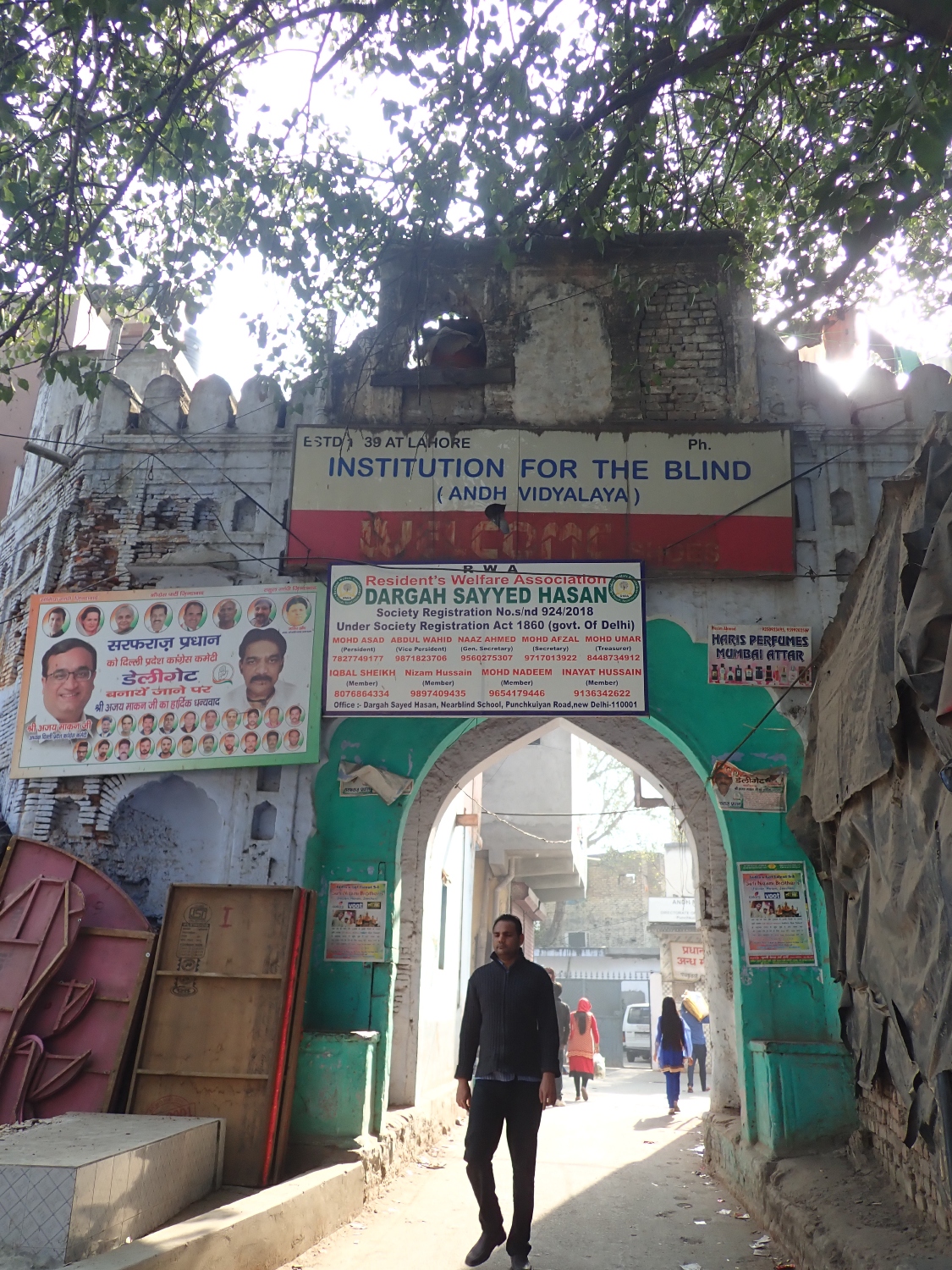
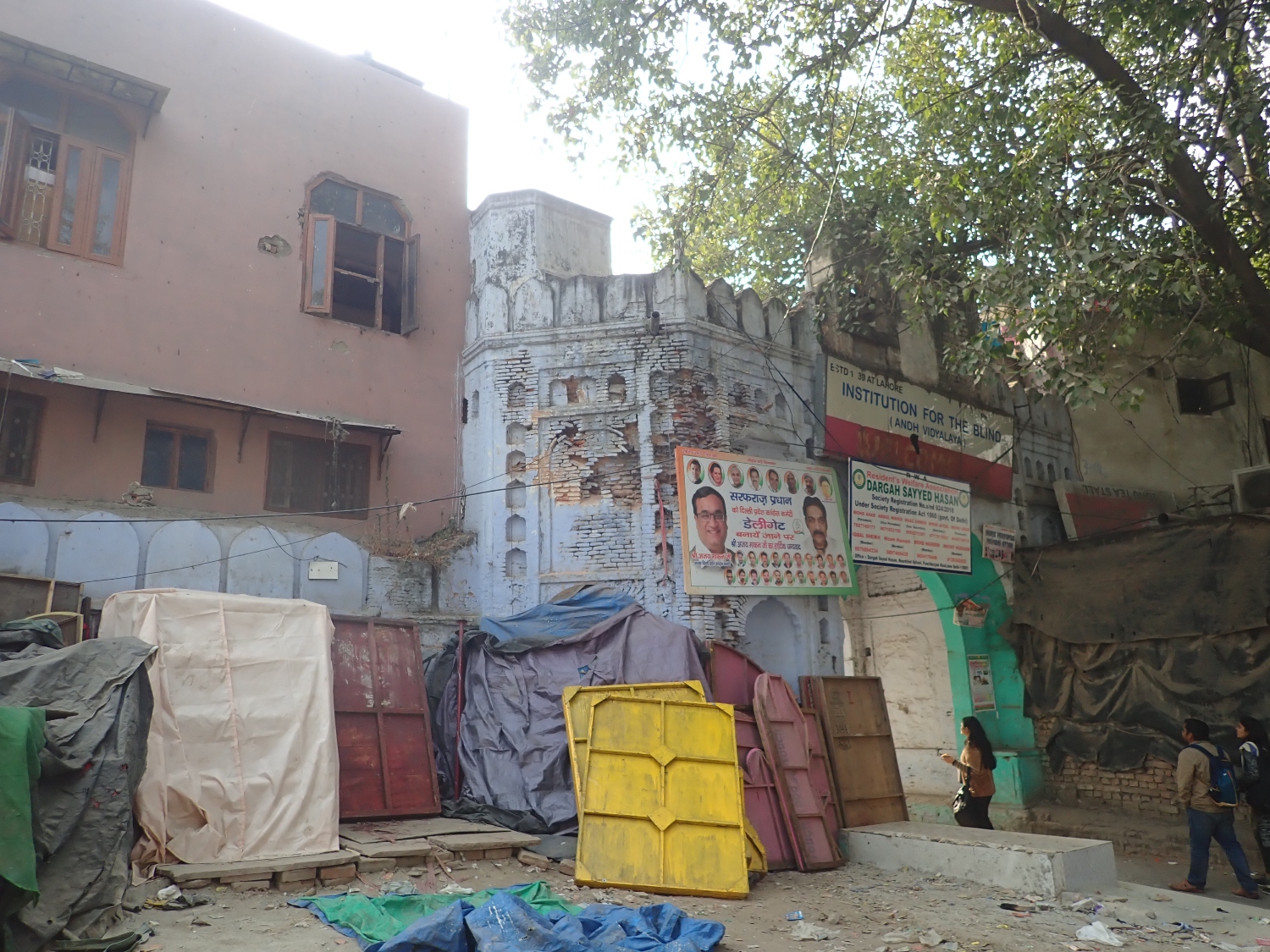
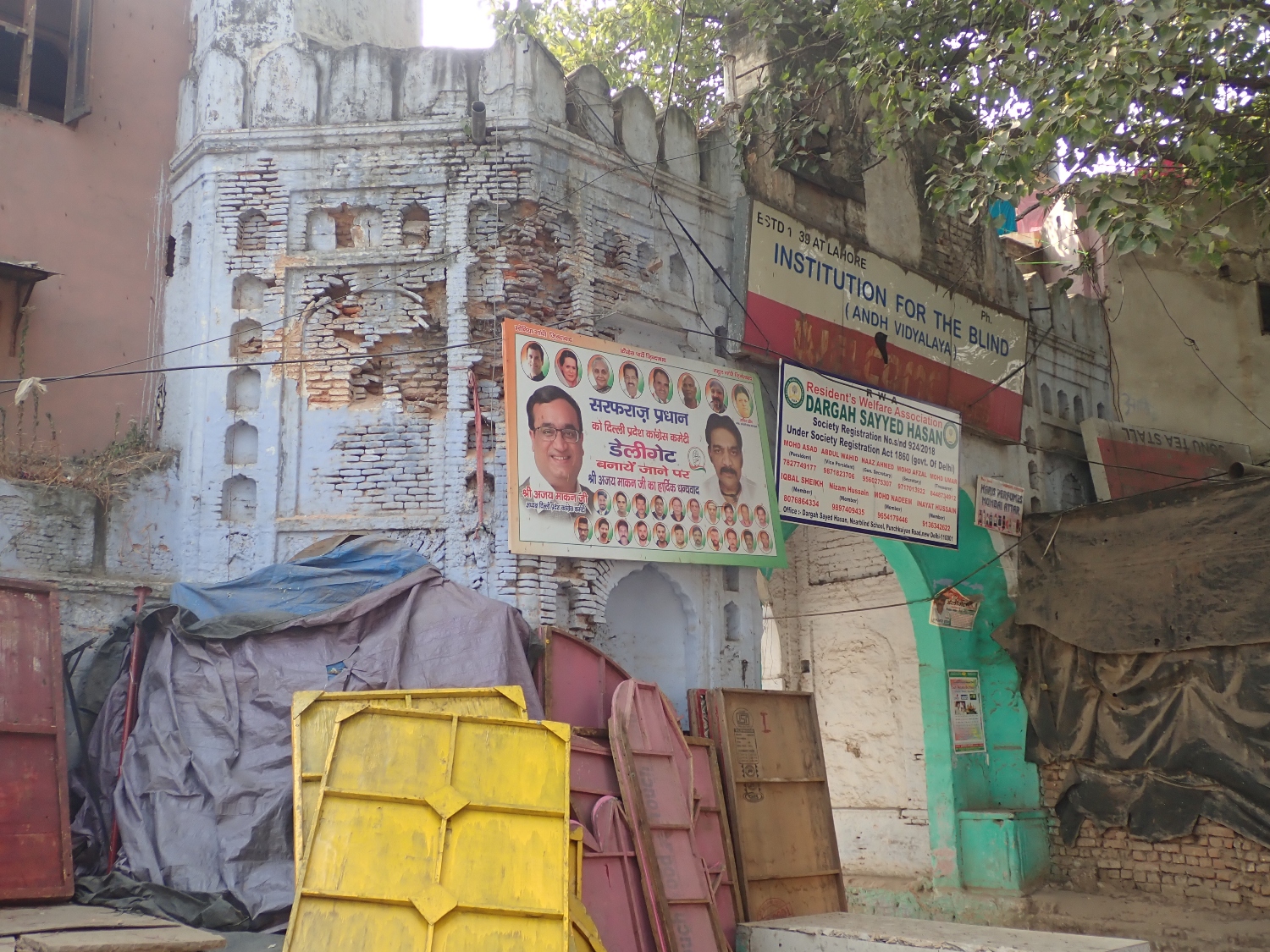
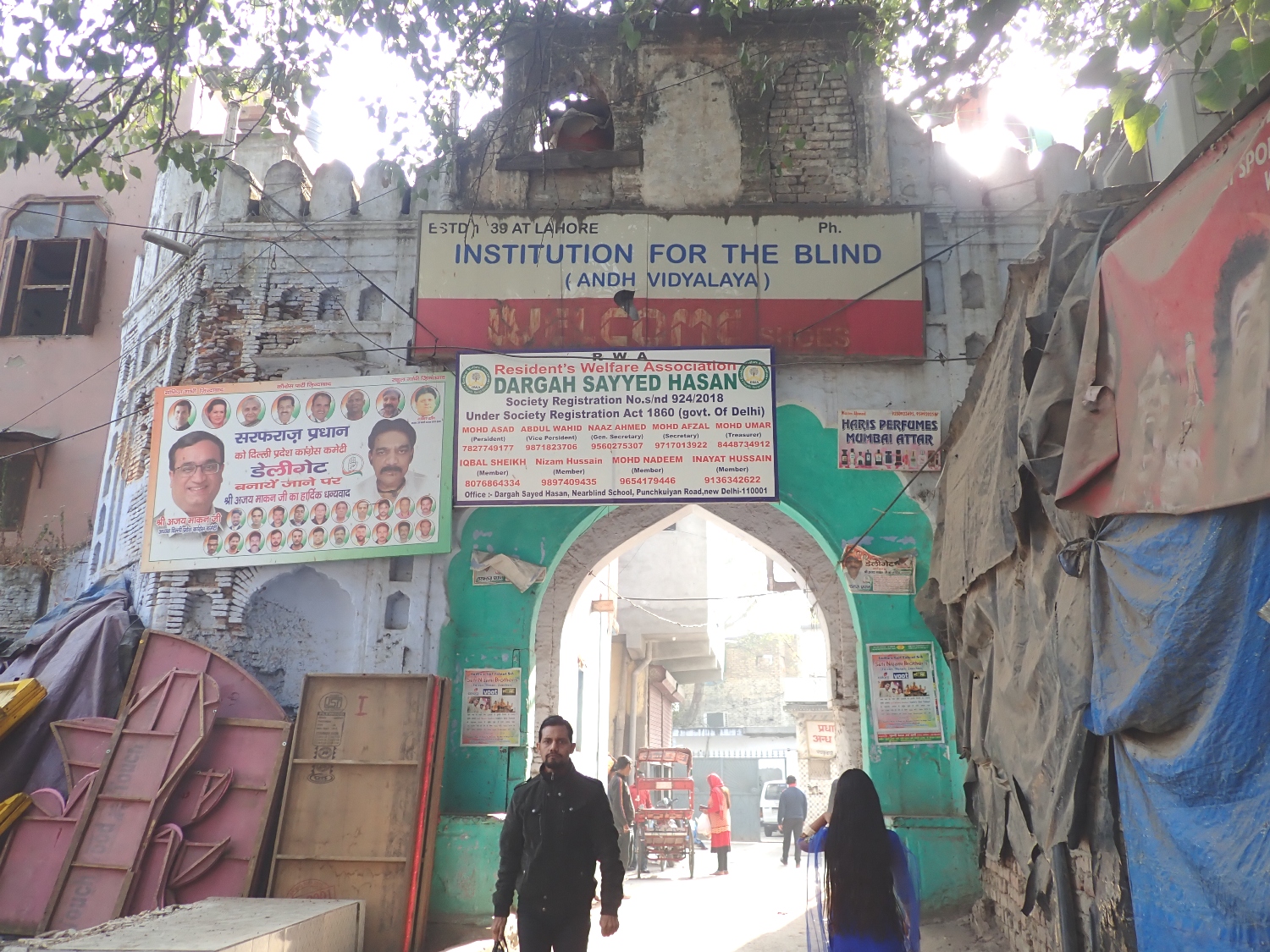
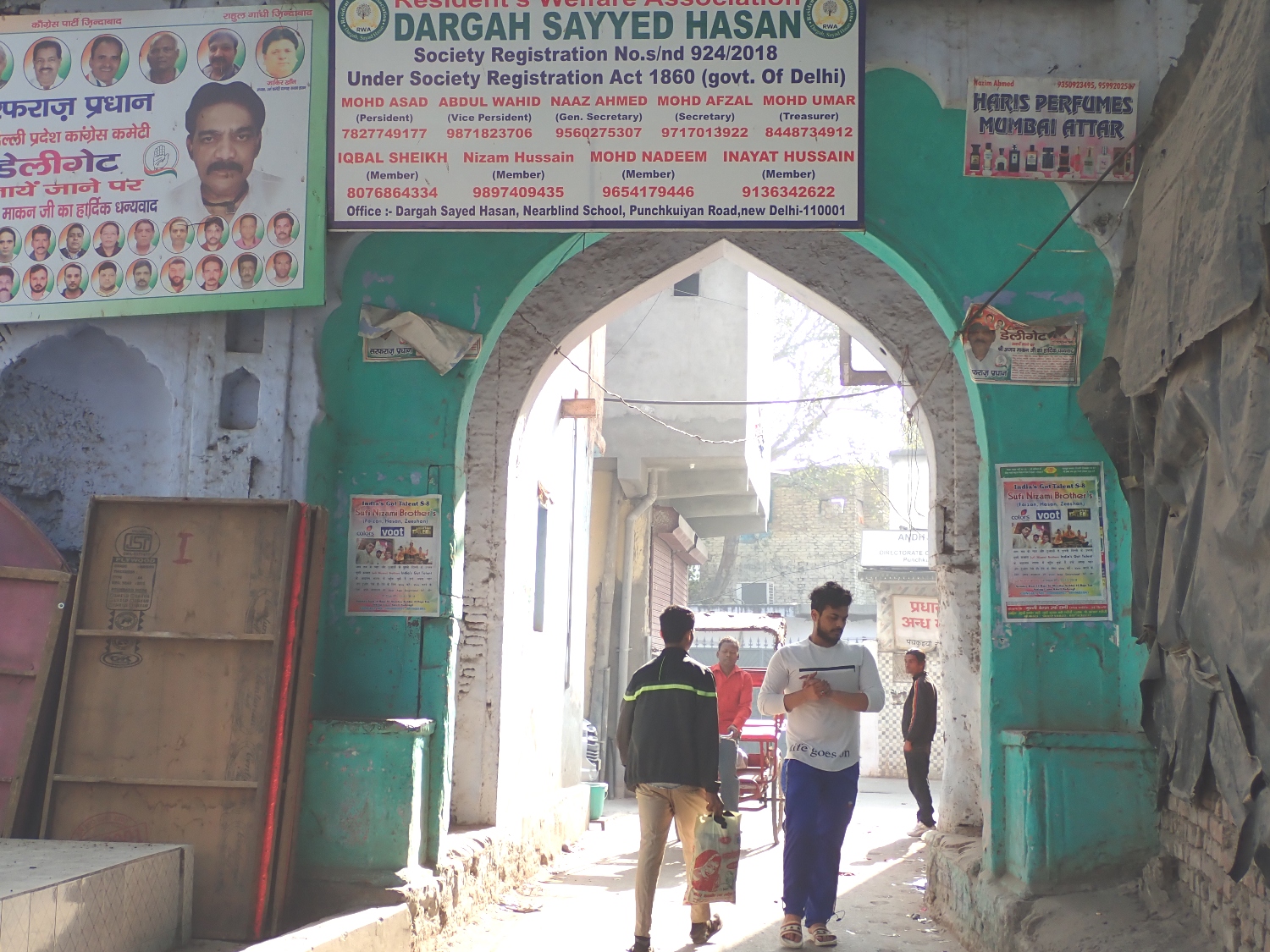
The gateway near Panchkuian, constructed during the reign of Mughal Emperor Aurangzeb, represents a remarkable example of late Mughal architecture and urban planning. Built in the later phase of the Mughal period, this structure likely served as a ceremonial or functional entrance to an important urban or residential area, reflecting the grandeur and utility of architecture in Aurangzeb's era. The gateway?s design exemplifies the Indo-Persian style, blending Persian architectural principles with the craftsmanship of local artisans, a hallmark of Mughal architectural aesthetics during this period. Despite its historical and architectural value, there are no notable local or traditional narratives currently associated with the structure, suggesting its use as a practical rather than symbolic or religious edifice. This lack of associated lore underscores its likely functional significance within the urban fabric of the time. The gateway?s structural layout is defined by its prominent pointed arch opening, which conveys verticality and an impression of grandeur. Flanking the central arch are symmetrically arranged niches, also pointed in shape, that enhance its visual appeal and showcase the meticulous symmetry characteristic of Mughal design. The structure is further adorned with elements referred to as "kangaroos" at its top, which could be decorative motifs or symbolic features specific to its time of construction. The primary materials used in its construction include lakhori brick masonry, celebrated for its durability and fine finish, and lime mortar, which ensured structural integrity and provided a smooth, polished facade. Decorative and structural embellishments, such as the use of red sandstone at the lintel level, brackets, and cornice, enhance the gateway's aesthetic richness while contributing to its strength and durability. However, the gateway faces significant challenges in the modern era. Encroachments have overrun its sidewalls, diminishing both its accessibility and its heritage value. These intrusions not only obscure the gateway's visual impact but also threaten its structural stability, highlighting the urgent need for conservation. Furthermore, the gateway remains unprotected by any formal heritage or conservation measures, rendering it vulnerable to further neglect and damage. This lack of protection exacerbates the challenges of preserving its historical and architectural significance. Despite its current state, the gateway holds immense historical value as a reflection of the architectural transition during the later Mughal period under Aurangzeb. Its utilitarian design and aesthetic elements embody the fusion of Indo-Persian styles, making it an important relic of Mughal-era craftsmanship. Additionally, its strategic location near Panchkuian hints at its historical relevance to the urban layout of the region, potentially serving as a critical node in the area's development during the Mughal period. To fully understand its significance and historical context, further archaeological surveys and archival research are necessary. Such efforts could shed light on its role in the local urban landscape and provide insights into its architectural and cultural heritage, emphasizing the need for its preservation and protection.
Year of Built: 17th - 18th Cenury
Address: Panchkuian Road, C.P., Abt 2 km from C.P. on PanchKuian Road, West of Palika Bazaar
Country: India
State: Delhi
District: Central Delhi
Pincode: 110055
Longitude: 77 20 11
Latitude: 28 63 62