
Indo Islamic Heritage


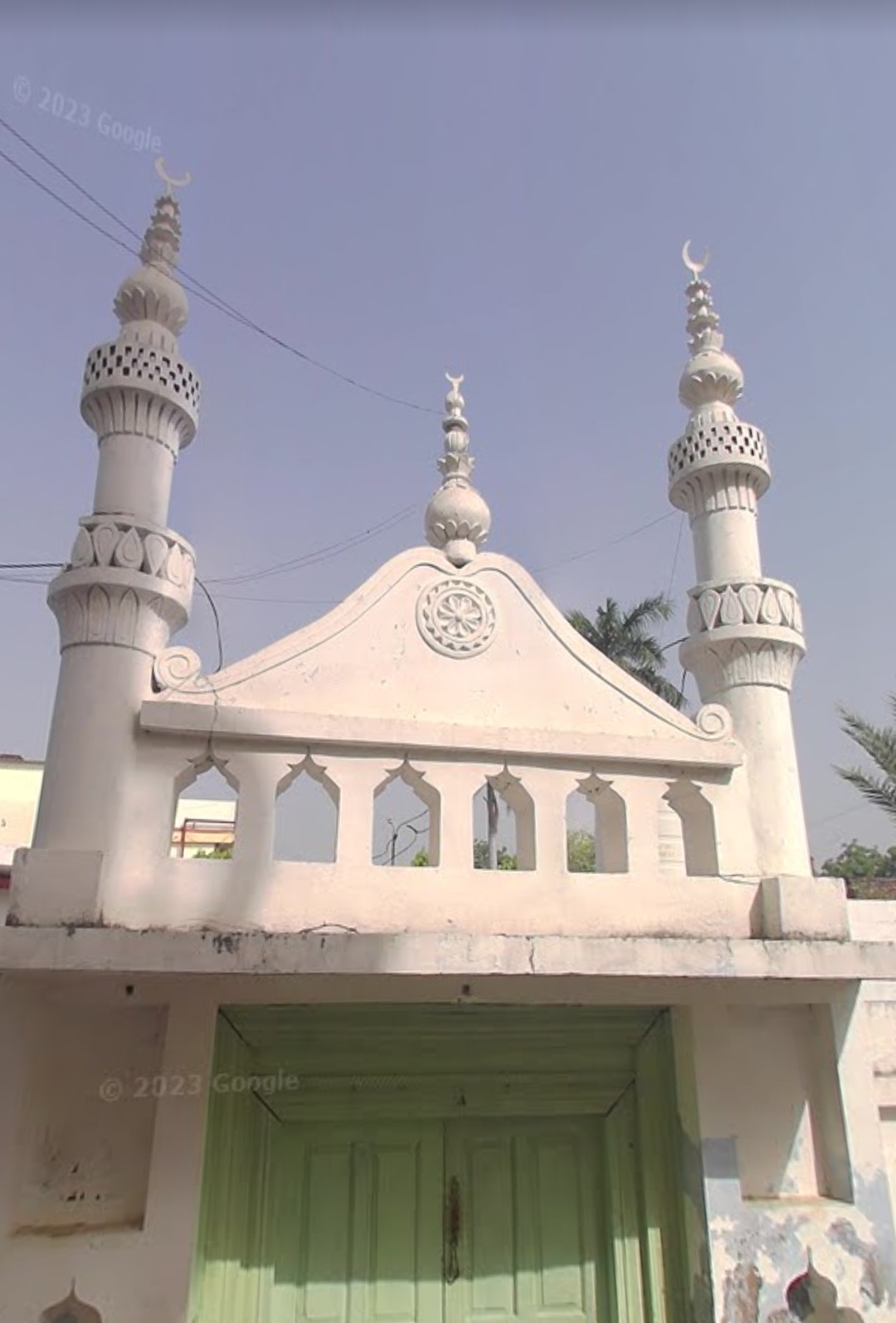
The Lakhpedabagh Mosque is a modest local mosque nestled in the residential neighborhood of Lakhpedabagh in Barabanki, Uttar Pradesh. Serving as a community hub for daily prayers and religious gatherings, it reflects the understated Islamic heritage of the region, where mosques have long fostered spiritual life amid Barabanki's blend of historical Sufi influences and everyday devotion. Its simple design and central location make it an integral part of the area's cultural fabric, though it remains lesser-known compared to grander provincial sites.
Nestled in the heart of Lakhpedabagh, a quiet residential enclave in Barabanki—a district renowned for its Sufi shrines and as the "Entrance to Poorvanchal"—the Lakhpedabagh Mosque stands as a humble testament to the enduring Islamic traditions of Uttar Pradesh. Barabanki's history, shaped by waves of Muslim influence since the 11th century, including the incursions of Sayyed Salar Masud in 1030 AD and the subsequent establishment of Muslim dominance under Qutubuddin Gaha, provides the broader context for such local places of worship. While the district boasts more prominent sites like the Dargah of Haji Waris Ali Shah in Dewa Sharif, the Lakhpedabagh Mosque embodies the intimate, community-focused piety that defines everyday Islamic practice in the region. Constructed in an era likely aligned with the British colonial period or shortly thereafter—though precise records of its founding remain elusive amid the scarcity of documentation for smaller locales—the mosque features a straightforward architectural style typical of vernacular mosques in Awadh. Its unadorned facade, oriented toward the qibla, and modest prayer hall accommodate local residents for the five daily salahs, Jumu'ah congregations, and occasional community events. The structure's simplicity contrasts with the ornate Mughal-era mosques found elsewhere in Uttar Pradesh, such as the Asafi Mosque in Lucknow's Bara Imambara complex, yet it echoes the same ethos of devotion and communal solidarity that has sustained Islamic life in Barabanki for centuries. The mosque's location in Lakhpedabagh, a locality marked by its proximity to essential amenities like schools (e.g., Maharishi Vidya Mandir) and markets, underscores its role as a spiritual anchor in daily life. Accessible via well-maintained roads and public transport links to Lucknow (just 30 km west), it draws worshippers from surrounding neighborhoods like Barel and Awas Vikas Colony. In a district where historical tensions, such as the 2021 demolition of the nearby Masjid Garib Nawaz Al Maroof, highlight challenges to religious sites, the Lakhpedabagh Mosque persists quietly, symbolizing resilience and the quiet continuity of faith. For visitors exploring Barabanki's Islamic heritage, the Lakhpedabagh Mosque offers a grounded counterpoint to the pilgrimage crowds at Dewa Sharif. It invites reflection on how local mosques, far from the spotlight of grand narratives, have quietly woven the threads of history, prayer, and community into the social tapestry of Uttar Pradesh.
Year of Built: Not Available
Address: W5FR+P6W, Lakhpedabagh, Barabanki, Uttar Pradesh 225001
Country: India
State: Uttar Pradesh
District: Barabanki
Pincode: 225001
Longitude: 81.1883° E
Latitude: 26.9378° N