
Indo Islamic Heritage


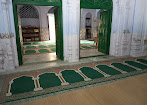
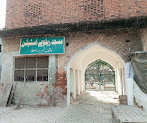
Masjid Railway Station, located adjacent to Barabanki Junction in Uttar Pradesh, is a modest local mosque and Waqf property (No. 93) that serves as a vital place of worship for the Muslim community, including railway passengers and residents. Situated at the heart of a key transportation hub established in 1872, it embodies the blend of faith and travel in colonial-era India.
Nestled in the bustling environs of Barabanki, a district steeped in Awadh's rich Mughal and colonial legacy, the Masjid Railway Station stands as a quiet testament to the enduring role of Islamic architecture in everyday life. As a registered Waqf property under No. 93 with the Uttar Pradesh Sunni Central Waqf Board, this unassuming mosque occupies a strategic position beside the Barabanki Junction railway station—one of northern India's pivotal rail hubs since its opening on April 1, 1872, as part of the British-era broad-gauge line connecting Delhi to Gorakhpur via Basti. The mosque's origins are intertwined with the advent of rail connectivity in the region, a period when Barabanki transitioned from a taluqdari stronghold under Nawabi rule to a modern transit point under British administration. Though precise construction records remain elusive in public archives, its establishment aligns with the late 19th-century expansion of the Oudh and Rohilkhand Railway, which transformed the area into a melting pot of travelers, laborers, and traders. Local accounts and Waqf documentation suggest it was erected to cater to the spiritual needs of Muslim railway staff, pilgrims, and commuters, fostering a sense of community amid the iron tracks and steam engines of the era. Architecturally, the Masjid Railway Station exemplifies simple Indo-Islamic vernacular design, characterized by clean whitewashed walls, arched prayer niches (mihrabs), and a modest minaret that calls the faithful to prayer five times a day. Unlike the grand Nawabi monuments of nearby Lucknow, such as the Bara Imambara (built 1784), this local edifice prioritizes functionality over opulence, with an open courtyard that accommodates congregational prayers during festivals like Eid. Its placement on Waqf land underscores the community's commitment to perpetual religious endowment, a tradition rooted in Islamic jurisprudence and upheld through legal oversight, as evidenced in ongoing Uttar Pradesh Waqf Board proceedings.
Year of Built: Not Available
Address: Near Barabanki Junction Railway Station, Kotwali Road, Barabanki, Uttar
Country: India
State: Uttar Pradesh
District: Barabanki
Pincode: 225001
Longitude: 81.1794° E
Latitude: 26.9342° N