
Indo Islamic Heritage


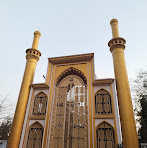
Karbala Lakhpedabagh stands as a poignant historical site in Barabanki, Uttar Pradesh, embodying the enduring legacy of Islamic devotion. This local mosque and open ground serves as a vital hub for the Shia community, hosting annual Muharram processions that honor the martyrdom of Imam Hussain at the Battle of Karbala in 680 CE. Nestled in the heart of Lakhpedabagh, it draws devotees for solemn majlis gatherings and tazia processions, fostering a sense of communal resilience and spiritual reflection.
In the verdant plains of Uttar Pradesh, where the Ghaghara and Gomti rivers carve through ancient landscapes, lies Barabanki—a district steeped in layers of history from the Suryavanshi kingdoms of Ayodhya to the talukdari rebellions of 1857. Amid this tapestry of cultural confluence, Karbala Lakhpedabagh emerges as a humble yet profoundly sacred Islamic landmark, a testament to the unyielding spirit of faith in the face of adversity. Established as a dedicated space for religious observance, this site transcends its modest architecture to become a living repository of Shia heritage, where the echoes of the 7th-century tragedy at Karbala resonate through contemporary rituals. Karbala Lakhpedabagh, often simply referred to as "Karbala" by locals, functions dually as a mosque and an expansive open ground, optimized for communal worship and processional activities. Its location along Faizabad Road in the Dayanand Nagar neighborhood of Lakhpedabagh positions it at the crossroads of Barabanki's bustling civic life, mere kilometers from the district headquarters. The site's coordinates—26.9253° N latitude and 81.1855° E longitude—place it within the fertile Awadh region, enveloped by the district's characteristic sandy-loam soils that have sustained agrarian communities for centuries. With the pincode 225001 serving this postal jurisdiction, the area reflects Barabanki's blend of rural tranquility and urban accessibility, connected by the Northern and North-Eastern Railway lines that thread through the district. At its core, Karbala Lakhpedabagh is indelibly linked to the global narrative of Ashura, the 10th day of Muharram that commemorates the martyrdom of Imam Hussain ibn Ali, grandson of Prophet Muhammad, and his 72 companions at the hands of the Umayyad forces in 680 CE. In India, such sites—named evocatively after the Iraqi holy city—proliferated under Shia patronage during the Nawabi era of Awadh, evolving into focal points for azadari (mourning) traditions. Here in Lakhpedabagh, the ground transforms annually into a sea of black-clad mourners during Muharram, with processions featuring intricately crafted tazia replicas symbolizing the martyrs' tombs. Majlis sessions, led by revered orators such as Maulana S. Tasdeeq Hussain and Maulana Akhtar Abbas Jaunpuri, recount the poignant tales of sacrifice, drawing hundreds from surrounding villages and the tehsil of Ram Sanehi Ghat. The site's historical significance is amplified by its role in preserving Awadhi Shia customs, which blend Persian influences from the 18th-century Nawabs of Lucknow with indigenous expressions of devotion. Devotees converge for events like Aamad-e-Aza ki Shab (the eve of mourning's arrival), where recitations and matam (chest-beating) rituals evoke the desert standoff's raw emotion. As a mosque, it offers daily salat spaces, but its true vitality shines during the Islamic lunar calendar's sacred months, underscoring Barabanki's position as a gateway to Poorvanchal's spiritual corridors. Though exact construction dates remain undocumented in public records, its longstanding community endorsement—evidenced by consistent ratings and participation—affirms its status as an organic outgrowth of the district's Muslim fabric, predating modern urban expansions. Today, Karbala Lakhpedabagh endures as more than a physical locale; it is a beacon of collective memory, where the universal themes of justice and defiance from the original Karbala find local embodiment. In an era of rapid change, this unassuming site in Uttar Pradesh quietly upholds the ethos of resilience, inviting pilgrims to pause, reflect, and renew their covenant with history's most defining stand against tyranny.
Year of Built: Not Available
Address: W5GP+CJ3, Faizabad Rd, Dayanand Nagar, Lakhpedabagh, Barabanki, Uttar Pradesh 225001
Country: India
State: Uttar Pradesh
District: Barabanki
Pincode: 225001
Longitude: 81.1855° E
Latitude: 26.9253° N