
Indo Islamic Heritage


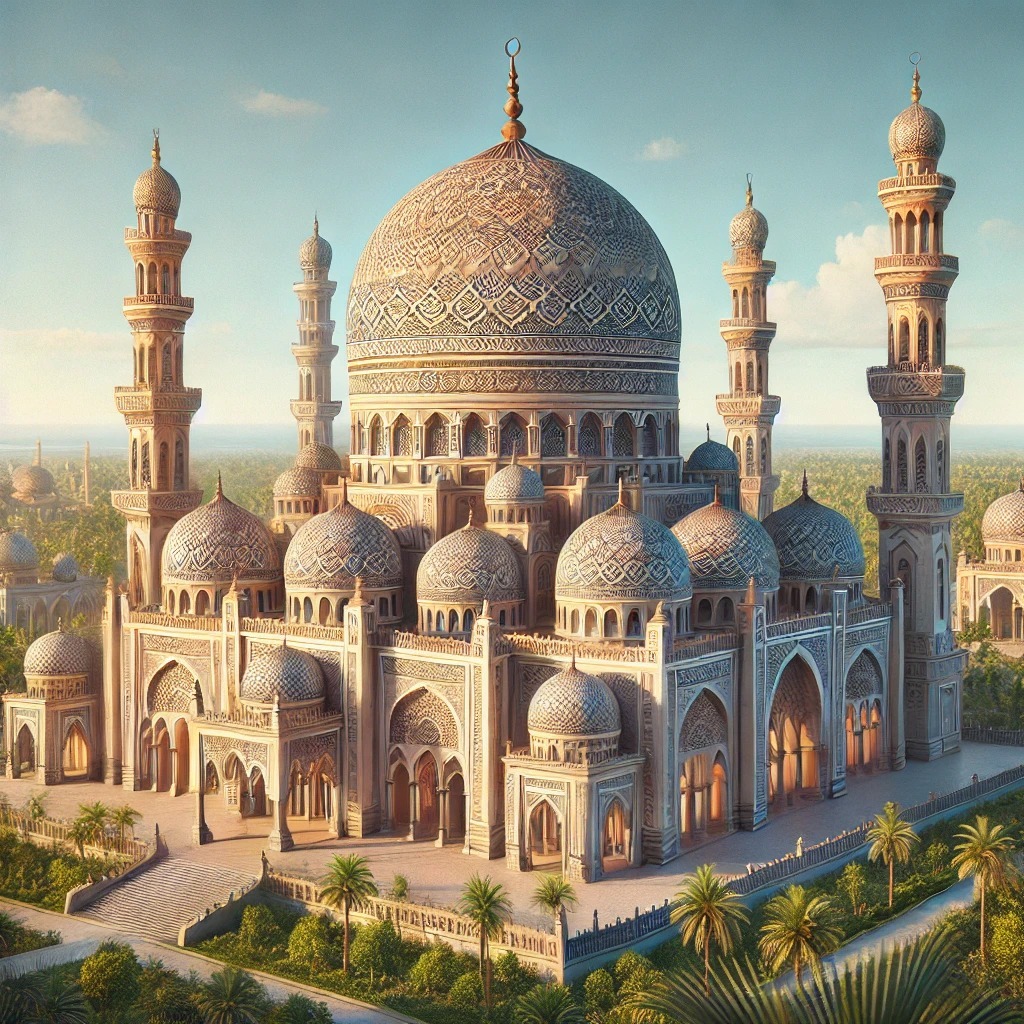
Masjid in Kothi is a modest local mosque serving the Muslim community in the rural village of Kothi, located in the Nawabganj tehsil of Barabanki district, Uttar Pradesh. Nestled in the fertile Awadh region, it stands as a simple place of worship amid agricultural landscapes, reflecting the everyday Islamic heritage of the area. Built during the colonial era, it embodies the enduring spiritual life of local residents.
In the heart of Uttar Pradesh's verdant Awadh plains, where the Ghaghara and Gomti rivers have long nourished the soil and its people, lies the unassuming village of Kothi in Barabanki district. Here, amid fields of sugarcane and mustard that sway under the subcontinental sun, stands Masjid in Kothi—a quiet testament to the region's layered Islamic history. As a local mosque, it is not adorned with the grand minarets or intricate tilework of famed Mughal-era structures like the Jama Masjid in Delhi or the Babri Masjid in nearby Ayodhya. Instead, it represents the grassroots expression of faith in rural India, where architecture yields to function, and devotion is woven into the rhythm of daily life. Barabanki district, with its roots tracing back to the medieval Nawabi courts of Awadh, became a mosaic of Hindu and Muslim influences following the Mughal conquest in the 16th century. The arrival of Islam in the area was gradual, fostered by Sufi saints and traders along the trade routes connecting Lucknow to Faizabad. By the 19th century, under British colonial administration—after the annexation of Oudh in 1856—the district saw the proliferation of small community mosques like the one in Kothi. These were often built by local taluqdars (landlords) or village collectives using locally sourced bricks and lime mortar, serving as centers for prayer, community gatherings, and education in madrasas. The Masjid in Kothi, constructed during this period, exemplifies such modest endeavors. While precise records of its founding are scarce—typical of many rural sites not documented in grand historical annals—it is believed to date from the mid-to-late 1800s, a time when Barabanki's taluqdars navigated the turbulent transition from Nawabi autonomy to British oversight. This era also witnessed the 1857 Rebellion, where local Muslims and Hindus in Barabanki joined forces against colonial forces, underscoring the mosque's role in fostering communal resilience. Architecturally, the mosque adheres to the simple Indo-Islamic style prevalent in Awadh's countryside. It features a rectangular prayer hall oriented toward the qibla (direction of Mecca), with a small mihrab niche marking the imam's position and arched openings that allow breezes from the surrounding fields to cool the interior during humid summers. The structure likely includes a modest dome or flat roof supported by sturdy pillars, finished with whitewashed walls that blend seamlessly with the village's mud-plastered homes. Absent are the opulent chini-kari (blue tilework) or jali screens of urban mosques; instead, its walls may bear faded inscriptions from the Quran in simple Urdu script, reminding worshippers of verses on humility and unity. The courtyard, if present, serves multiple purposes—hosting Eid prayers under open skies or taraweeh recitations during Ramadan—while a nearby ablution area ensures ritual purity before salat. Kothi's location in Sidhaur block, about 30 kilometers south of Barabanki town and 46 kilometers from Lucknow, places the mosque at the crossroads of rural tranquility and historical significance. The village itself, elevated at 116 meters above sea level, is part of the Nawabganj tehsil, named after the 18th-century Nawabs who once governed from nearby estates. Today, the mosque continues to anchor the spiritual life of Kothi's approximately 2,000 residents, many of whom speak Awadhi and Urdu alongside Hindi. It hosts five daily prayers, Friday jumu'ah congregations that draw farmers pausing from their labors, and occasional iftars that strengthen neighborhood bonds. In a district where Islam has thrived since the days of Sufi mystic Haji Waris Ali Shah—whose dargah in nearby Dewa attracts pilgrims—the Masjid in Kothi quietly upholds this legacy, free from the controversies that shadow grander sites. Preserved through community stewardship rather than official patronage, the mosque faces modern challenges like urban migration and climate shifts affecting the fertile Gangetic plains. Yet, it endures as a living archive of Awadh's syncretic culture, where Islamic piety coexists with Hindu festivals in shared village fairs. For those tracing India's historical Islamic sites beyond the tourist trails, Masjid in Kothi offers a poignant glimpse: not of imperial splendor, but of the faith's deep roots in the everyday soil of the subcontinent.
Year of Built: Not Available
Address: 1488/r, Faizabad Rd, Nawabganj, Barabanki, Uttar Pradesh 225001
Country: India
State: Uttar Pradesh
District: Barabanki
Pincode: 225001
Longitude: 81.3221° E
Latitude: 26.7326° N