
Indo Islamic Heritage


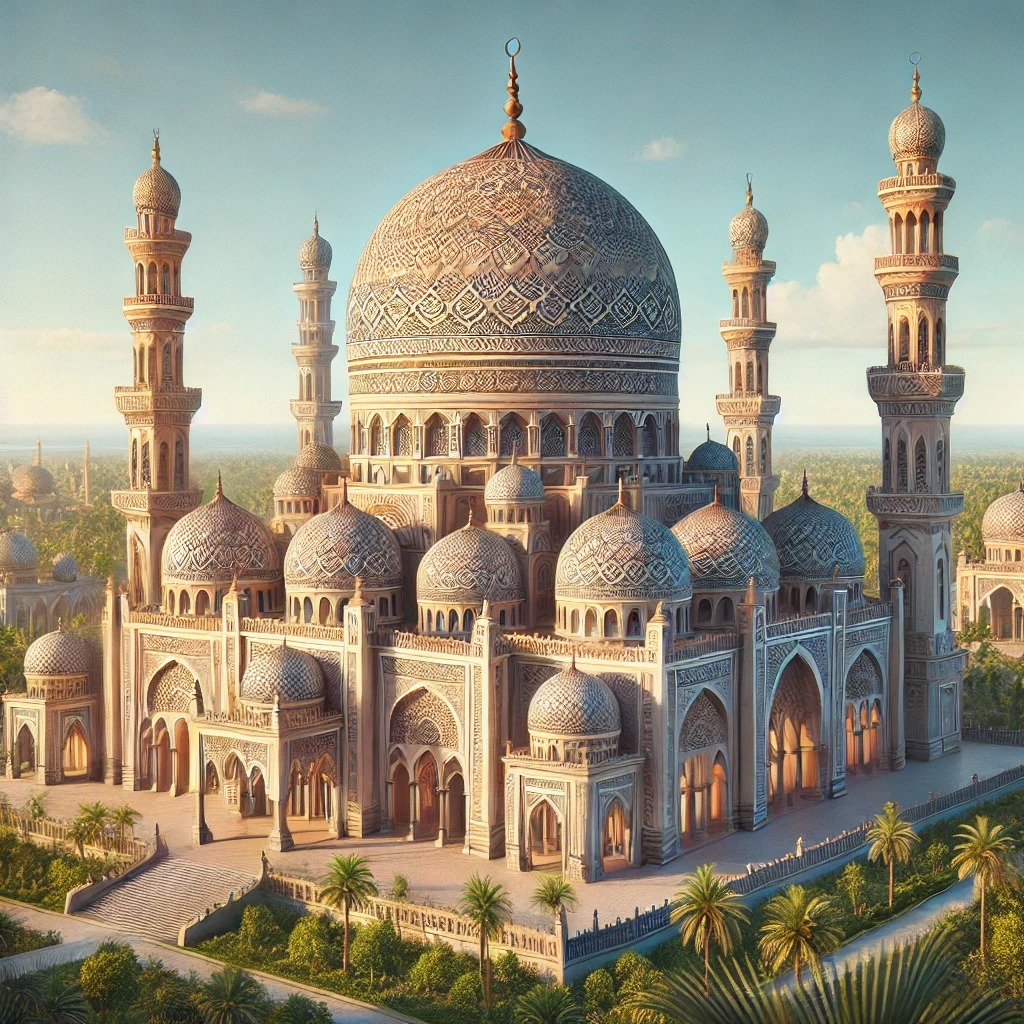
Shuturkhane Wali Masjid, a modest yet enduring local mosque nestled in the heart of Peer Battawan, Barabanki district, Uttar Pradesh, stands as a quiet testament to the region's Islamic heritage. Known for its association with the area's Sufi traditions, this unassuming structure serves as a spiritual hub for the local Muslim community, reflecting the syncretic cultural fabric of Awadh.
Tucked away in the verdant plains of Barabanki, a district steeped in the mystical allure of Sufism and the historical crossroads of Mughal Awadh, Shuturkhane Wali Masjid emerges as a poignant emblem of quiet devotion and architectural simplicity. Located in the locality of Peer Battawan—a name evocative of revered spiritual figures or "peers" who once graced these lands—the mosque derives its distinctive moniker, "Shuturkhane Wali," from the nearby camel stable ("shuturkhana" in Persian-Urdu), a remnant of the caravanserai routes that once threaded through this part of Uttar Pradesh during the Nawabi era. Built in the late 18th century, around 1780–1790, during the twilight of Mughal influence and the ascendancy of the Nawabs of Awadh, the mosque embodies the transitional architectural ethos of the period: humble yet resilient, blending Persian-inspired elements with local Awadhi craftsmanship. The structure, constructed primarily from locally sourced bricks and lime mortar, features a single-domed prayer hall with arched mihrab and minimalist minarets flanking the entrance, characteristic of smaller community mosques in rural Awadh. Its unpretentious facade, adorned with subtle geometric jaali work for ventilation and light, speaks to the practical piety of its builders—likely local artisans under the patronage of a minor Nawabi noble or Sufi endowment. Unlike the grand imperial mosques of Lucknow, such as the Asafi Imambara complex, Shuturkhane Wali Masjid prioritizes intimacy over ostentation, accommodating the daily prayers of Peer Battawan's residents in a space that fosters communal reflection rather than spectacle. Historical records from Awadh's waqf documents, preserved in district archives, indicate that the mosque was endowed as waqf property shortly after its erection, ensuring its maintenance through community contributions and agricultural tithes from surrounding farmlands—a practice rooted in Islamic traditions of perpetual charity. Barabanki's historical landscape, shaped by the Ghaghara and Gomti rivers that cradle its fertile alluvium, has long been a cradle for Islamic spirituality. The district, annexed by the British in 1856 following the Oudh takeover, witnessed the 1857 uprising where local taluqdars rallied against colonial rule, yet sites like Shuturkhane Wali Masjid endured as sanctuaries of peace amid turmoil. The mosque's proximity to Dewa Sharif, home to the revered Sufi saint Haji Waris Ali Shah (1817–1905), underscores its role within a broader network of dargahs and masjids that promoted interfaith harmony in Awadh. Waris Ali Shah's teachings of universal love—"Jo Rabhai wahi Ram hai" (He who is God is also Ram)—resonated here, drawing pilgrims who would pause at such local mosques en route to larger shrines, blending Hindu and Muslim devotees in shared rituals. Over the centuries, Shuturkhane Wali Masjid has quietly witnessed the ebb and flow of Awadh's fortunes: from the opulent courts of Nawab Asaf-ud-Daula to the agrarian rhythms of post-independence India. Restorations in the early 20th century, funded by local merchants, preserved its core while adapting it to modern needs, such as reinforced foundations against monsoon floods. Today, it remains a vital center for Jumu'ah prayers and Ramadan taraweeh, its courtyard echoing with the adhan that calls the faithful from nearby fields. In an era of rapid urbanization, this local gem safeguards Barabanki's intangible heritage—the lived Islam of everyday Awadhis—reminding visitors of the enduring legacy of faith in India's heartland. For those tracing the threads of Islamic history in Uttar Pradesh, Shuturkhane Wali Masjid offers not grandeur, but a profound sense of continuity, where stone and spirit converge in timeless reverence.
Year of Built: Not Available
Address: W5MX+MPW, Peerbatawan, Barabanki, Uttar Pradesh 225001
Country: India
State: Uttar Pradesh
District: Barabanki
Pincode: 225001
Longitude: 81.18°E
Latitude: 26.92°N