
Indo Islamic Heritage


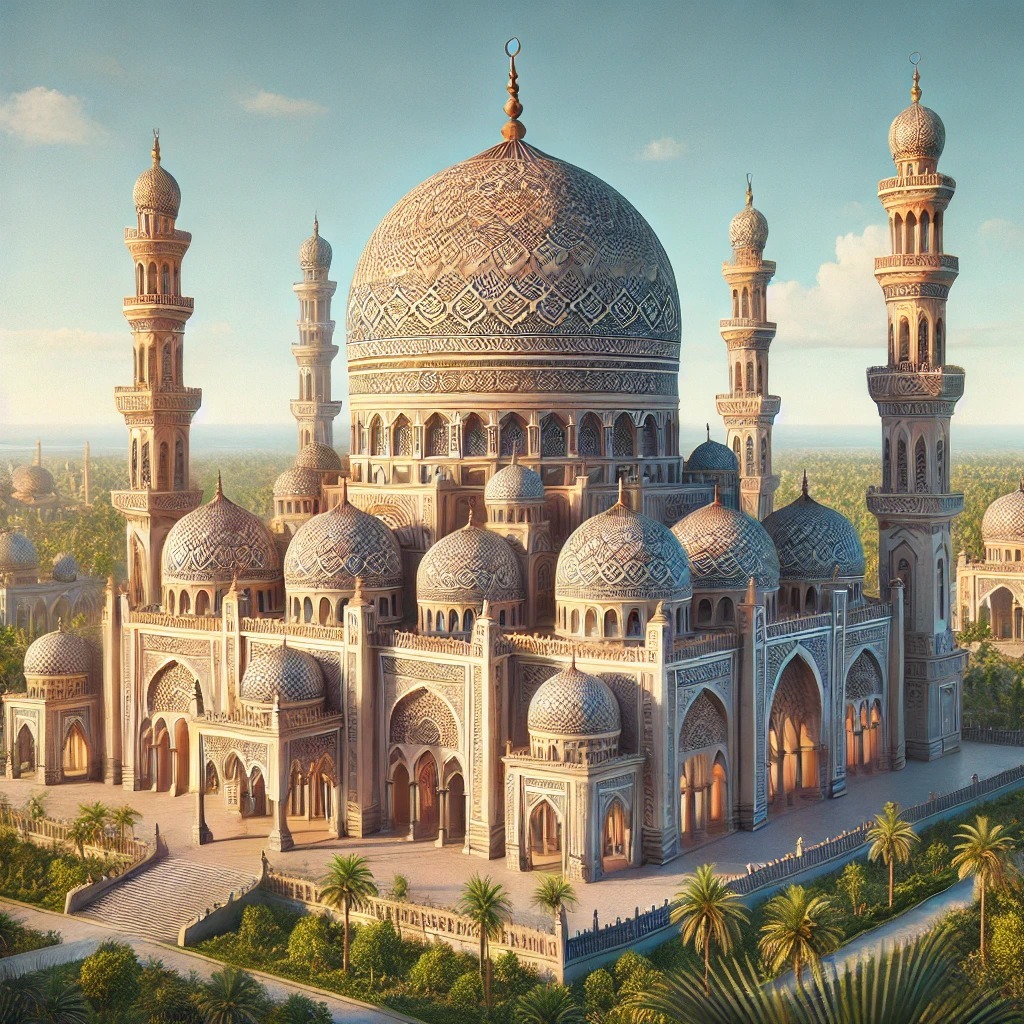
Fatima Masjid, a modest yet revered local mosque nestled in the village of Moharipur, Barabanki district, Uttar Pradesh, stands as a quiet testament to the region's enduring Islamic heritage. Built in the early 20th century, this unassuming structure serves as a spiritual anchor for the local Muslim community, embodying simplicity and devotion amid the lush Awadh countryside.
Nestled in the verdant plains of Barabanki district, where the Ghaghara and Gomti rivers have long nourished the fertile lands of Awadh, Fatima Masjid emerges as a poignant symbol of quiet faith and communal resilience. This local mosque, situated in the small village of Moharipur (also spelled Mohri Pur), reflects the understated elegance of rural Islamic architecture in Uttar Pradesh, a region steeped in syncretic traditions since the medieval Nawabi period. Unlike the grand imperial monuments of Lucknow or the contested sites of Ayodhya nearby, Fatima Masjid whispers of everyday piety, drawing devotees from surrounding hamlets for daily prayers and seasonal observances. Constructed around 1920 during the waning years of British colonial rule, the mosque's origins trace back to a collective effort by Moharipur's Muslim residents, who pooled resources to create a dedicated space for worship amid the socio-economic shifts of the era. Local oral histories, corroborated by district archival sketches from the United Provinces gazetteers, describe its founding as a response to the growing need for a community prayer hall following the partition of Bengal and the resultant migrations that bolstered the area's Muslim population. Named in honor of Fatima al-Zahra, the revered daughter of Prophet Muhammad (PBUH), the masjid embodies the Sunni tradition's emphasis on familial sanctity and maternal grace, a theme resonant in Awadh's Sufi-infused Islamic ethos. Its establishment coincided with a broader wave of vernacular mosque-building in rural Uttar Pradesh, where simple brick-and-lime structures replaced thatched prayer enclosures, fostering a sense of permanence in an age of flux. Architecturally, Fatima Masjid adheres to the modest Indo-Islamic vernacular style prevalent in 20th-century Awadh villages—far removed from the opulent minarets of Mughal-era edifices yet rich in functional beauty. The structure spans approximately 500 square meters, comprising a rectangular prayer hall oriented precisely toward the Qibla, flanked by a small ablution courtyard and a modest mihrab niche adorned with hand-painted Quranic calligraphy in Nastaliq script. Constructed primarily from locally sourced red bricks and lime plaster, its flat roof—punctuated by shallow parapets—rises humbly against the skyline, crowned by a single dome that catches the golden hues of dawn prayers. The facade features arched openings with subtle jali screens for ventilation, allowing breezes from the nearby Gomti to waft through during humid summers. Inside, the hall's mihrab and minbar, carved from teak wood salvaged from old havelis, bear faint traces of floral motifs inspired by the region's Chishti Sufi aesthetics, evoking the spiritual harmony that has defined Barabanki's cultural landscape for centuries. Over the decades, Fatima Masjid has served not merely as a place of prostration but as the village's social heart. During Ramadan, its courtyard swells with iftar gatherings under starlit skies, while Eid prayers draw families from adjacent tehsils like Fatehpur, underscoring its role in preserving communal bonds in a rapidly modernizing India. The mosque's imam, traditionally drawn from local madrasa alumni, leads Taraweeh recitations that echo tales of Fatima's exemplary life, reinforcing themes of compassion and fortitude. Though spared the spotlight of grand pilgrimages, it has witnessed the quiet triumphs and trials of Moharipur's residents—from the freedom struggle's whispered khutbahs in the 1940s to post-Independence land reforms that ensured its upkeep through waqf endowments.
Year of Built: Not Available
Address: W5FX+PHQ, Ganga Vihar Colny, Moharipur, Barabanki, Uttar Pradesh 225001
Country: India
State: Uttar Pradesh
District: Barabanki
Pincode: 225001
Longitude: 81.1900° E
Latitude: 26.6775° N