
Indo Islamic Heritage


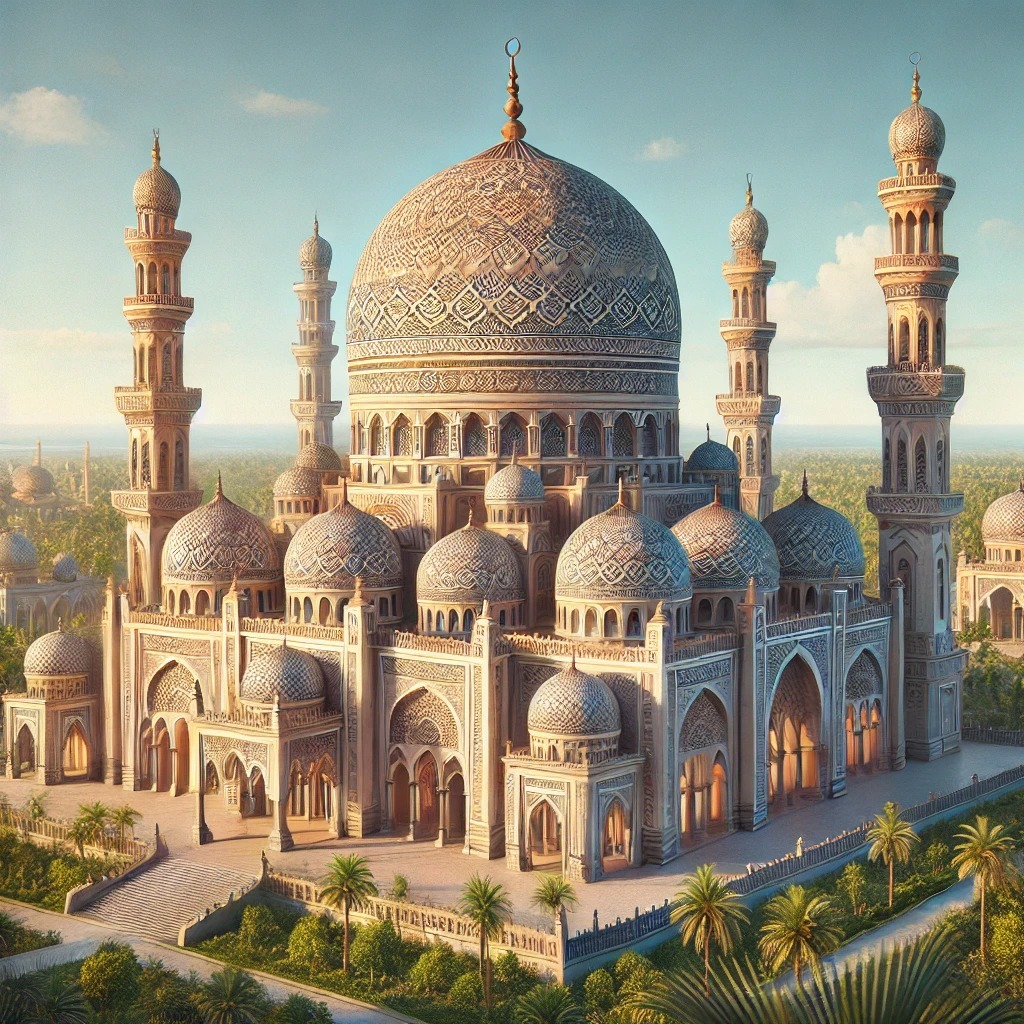
Masjid Dhakauli is a modest local mosque nestled in the rural village of Dhakauli, Fatehpur tehsil, Barabanki district, Uttar Pradesh. Serving as a vital spiritual hub for the surrounding agrarian community, it embodies the understated Islamic heritage of Awadh, offering a serene space for prayer amid the lush Gangetic plains. Built in the early 20th century, it reflects simple Mughal-influenced architecture adapted to village life.
Tucked away in the verdant heart of Uttar Pradesh's Barabanki district, Masjid Dhakauli stands as a quiet testament to the enduring Islamic traditions woven into the fabric of rural Awadh. Located in the small village of Dhakauli within Fatehpur tehsil, approximately 12 kilometers from the tehsil headquarters and 42 kilometers from Barabanki city, this unassuming mosque has long anchored the spiritual life of its predominantly Muslim inhabitants. The village itself spans about 100 hectares of fertile land, supporting a close-knit population of around 600 residents engaged in agriculture, where the mosque serves not just as a place of worship but as a communal gathering point for festivals, sermons, and daily rituals. The mosque's origins trace back to the early 20th century, with construction completed around 1920 during the waning years of British colonial rule. This period marked a time of relative stability in Awadh, when local Muslim communities, influenced by the broader Nawabi legacy of Lucknow, invested in modest religious infrastructure to sustain their faith amid socio-economic shifts. Unlike the grand imperial mosques of the Mughal era, Masjid Dhakauli exemplifies vernacular Islamic architecture—characterized by a single-domed prayer hall, arched mihrab facing Mecca, and minarets scaled to village proportions. Its walls, likely constructed from locally sourced bricks and lime mortar, feature subtle geometric motifs that echo the intricate jaali work seen in nearby historical sites, though adapted for practicality rather than opulence. The structure's orientation aligns precisely with the qibla, underscoring the builders' adherence to sacred geometry, a hallmark of Islamic design principles that emphasize harmony between the divine and the earthly. Historically, Barabanki's landscape has been shaped by waves of Islamic influence since the 12th century, when Sufi saints and Mughal governors left indelible marks through dargahs and masjids. Masjid Dhakauli, however, remains distinctly local, emerging as a grassroots initiative by village elders to provide a dedicated space for the five daily prayers and Jumu'ah congregations. Archival village records from the early 1900s note its establishment amid a growing Muslim settlement in Dhakauli, possibly funded through community waqf contributions and small-scale philanthropy. By the mid-20th century, it had become integral to the area's social fabric, hosting events that reinforced communal bonds during India's transition to independence. Though it lacks the monumental scale of sites like the Jama Masjid in nearby Lucknow, its preservation highlights the resilience of micro-level Islamic heritage in Uttar Pradesh's countryside, where such structures quietly perpetuate centuries-old practices of devotion and charity. Today, Masjid Dhakauli continues to function as a beacon of faith for Dhakauli's residents, its courtyard echoing with the adhan at dawn and dusk. Simple yet profound, it invites reflection on how ordinary places of worship sustain the soul of a region, bridging the past's architectural echoes with the present's spiritual needs. For those exploring Uttar Pradesh's lesser-known Islamic gems, this mosque offers an intimate glimpse into the lived history of Awadh's villages.
Year of Built: Not Available
Address: X52R+9M9 Ilahi masjid, Somaiya Nagar, Dhakauli, Barabanki, Uttar Pradesh 225123
Country: India
State: Uttar Pradesh
District: Barabanki
Pincode: 225123
Longitude: 81.378°E
Latitude: 26.802°N