
Indo Islamic Heritage


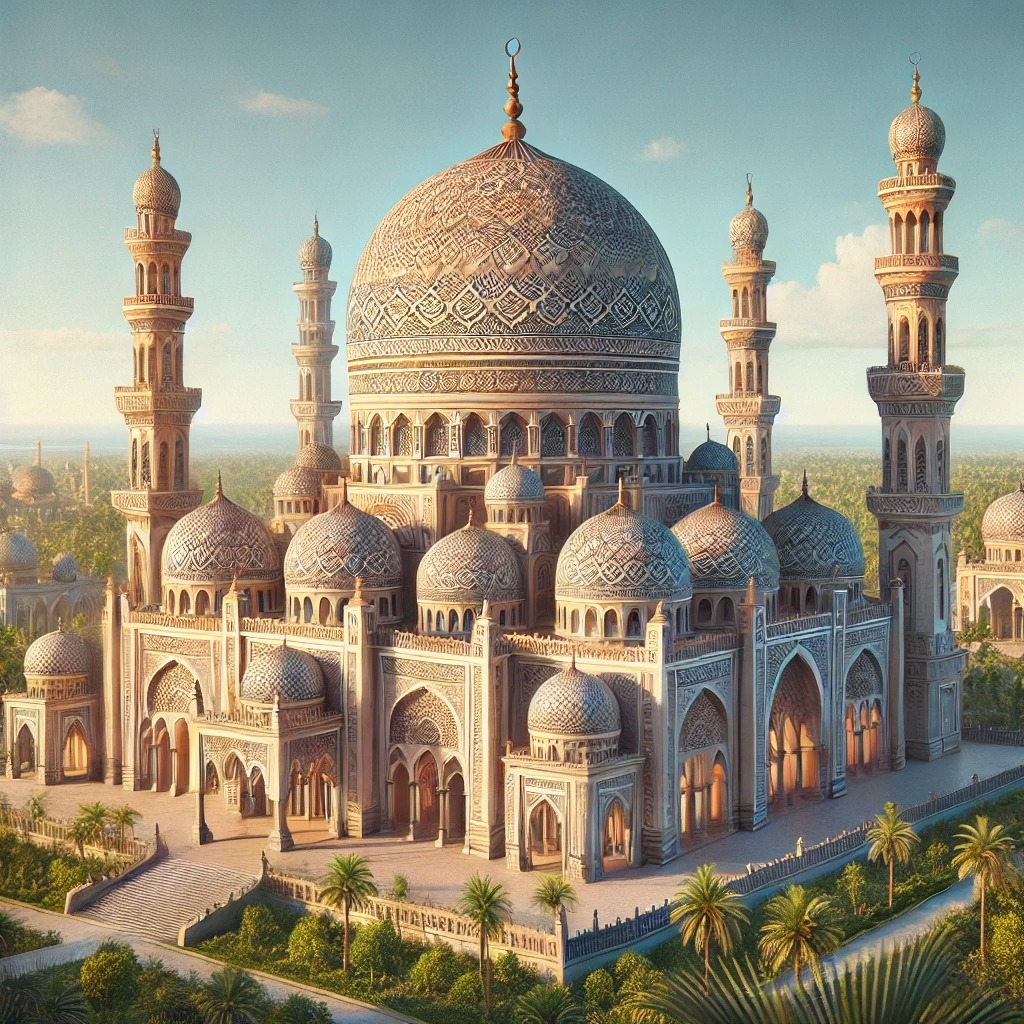
Ek Minara Masjid, a modest yet enduring testament to Islamic architectural simplicity in rural Uttar Pradesh, stands as a single-minaret mosque in the village of Barail, Barabanki district. Characterized by its lone towering minaret and unadorned prayer hall, it serves as a serene local place of worship, reflecting the understated heritage of Awadh's Islamic traditions. Built in the early 16th century during the formative years of Mughal influence, the mosque embodies quiet resilience amid the region's historical tapestry of faith and community.
Nestled in the verdant plains of Barabanki district, part of the historic Awadh region, Ek Minara Masjid emerges as a poignant emblem of early Islamic settlement in northern India. Constructed between 1526 and 1532 CE under the patronage of Bahadur Shah, the second ruler of the Gujarat Sultanate, this local mosque represents a rare provincial example of Indo-Islamic architecture during a period of flux between the declining Delhi Sultanate and the rising Mughal Empire. Bahadur Shah, known for his military campaigns and cultural endowments, is credited with commissioning the structure as a symbol of his transient authority in the Gangetic heartland, though the exact motivations—whether for conquest commemoration or community consolidation—remain inferred from the era's broader historical context. The mosque's defining feature is its solitary minaret, a slender, tapering tower rising gracefully from the southeastern corner of the courtyard, evoking the name "Ek Minara" (One Minaret). Unlike the grand multi-minaret complexes of urban centers like Delhi or Agra, this lone spire—approximately 15–20 meters high, based on comparable structures of the period—serves both functional and symbolic purposes. It facilitated the adhan, the call to prayer, projecting across the surrounding farmlands and villages, while its simple cylindrical form, crowned by a modest dome or finial, underscores the mosque's role as a humble beacon for rural devotees. The minaret's base integrates seamlessly with the elevated platform, accessed via a short flight of steps, leading to the rectangular prayer hall oriented toward the qibla (direction of Mecca). The prayer hall itself adheres to the austere aesthetics of early 16th-century design, featuring a hypostyle layout supported by plain stone pillars and a flat or gently arched roof covered in lime plaster. Arched mihrab niches mark the western wall, with subtle geometric motifs etched into the sandstone facade, hinting at Persian influences filtered through Gujarati craftsmanship. The courtyard, enclosed by low boundary walls, once likely included ablution pools for ritual purification, though time and maintenance have simplified the ensemble. Over centuries, the structure has weathered monsoons and socio-political shifts, with only the minaret and foundational platform enduring as primary remnants, a poignant reminder of its age. Historically, Ek Minara Masjid's location in Barail—a village approximately 30 kilometers east of Lucknow—placed it at the crossroads of Awadh's spiritual and trade routes. During the 16th century, as Mughal forces under Babur and Humayun consolidated power, such provincial mosques fostered local Islamic identity amid a diverse Hindu-Muslim populace. The structure's survival through the Nawabi era and British colonial rule attests to its integration into community life, serving not only as a site for five daily prayers and Friday congregations but also as a gathering space for religious discourse and festivals like Eid. Today, it remains an active place of worship for Barail's residents, preserving rituals passed down through generations while quietly narrating the layered history of Islamic devotion in Uttar Pradesh's countryside.
Year of Built: Not Available
Address: W55R+VVM, Barail, Barabanki, Barel, Uttar Pradesh 225001
Country: India
State: Uttar Pradesh
District: Barabanki
Pincode: 225001
Longitude: 81.2022° E
Latitude: 26.9316° N