
Indo Islamic Heritage


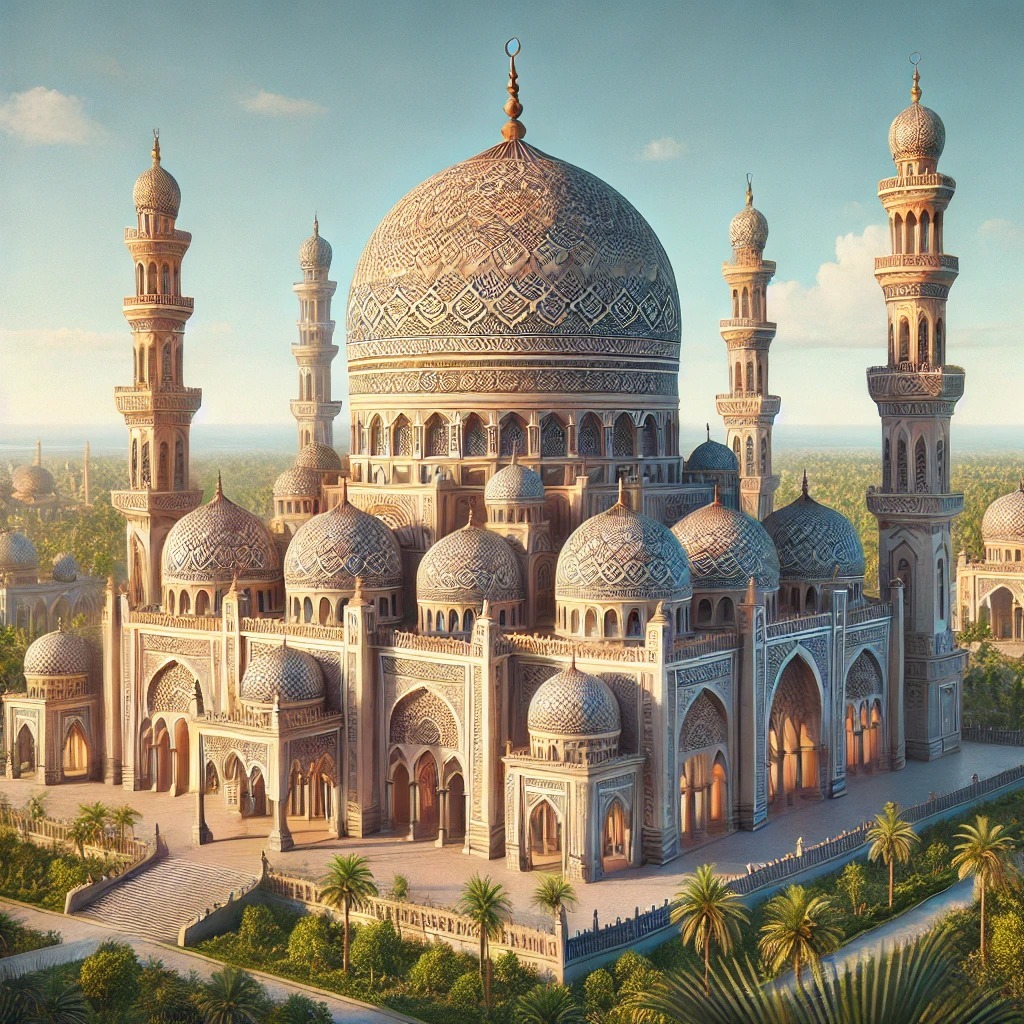
Masjid-e-Gareeb Nawaj, a modest yet enduring local mosque in the rural heart of Nabiganj, Barabanki, stands as a quiet testament to the region's Islamic heritage. Named after the revered Sufi saint Khwaja Moinuddin Chishti (Gareeb Nawaz), this over-century-old structure served as a vital spiritual hub for the Muslim community, fostering daily prayers and communal bonds until its controversial demolition in 2021.
Nestled in the verdant plains of Uttar Pradesh's Barabanki district, Masjid-e-Gareeb Nawaj—also known locally as Masjid Gareeb Nawaz Al Maroof Tehsil Wali—embodies the unassuming resilience of India's provincial Islamic architecture. Constructed around 1921, during the twilight of British colonial rule, the mosque emerged as a sanctuary for the faithful in the village of Bani Kadar, within the Nabiganj area of Ramsanehi Ghat tehsil. Its name, evoking the benevolence of Khwaja Moinuddin Chishti, the 12th-century Sufi pioneer of the Chishti order whose legacy permeates Indian Islam, underscores its role as a "benefactor of the poor." Though modest in scale, with simple lime-plastered walls and arched prayer halls typical of Awadhi vernacular design, the mosque's longevity—spanning over a century—reflects the enduring spirit of local Muslim communities in this fertile Gangetic belt. Historical records affirm the mosque's legitimacy and deep-rooted presence. Government documents trace its existence back to at least 1991, while oral histories and Waqf registrations suggest origins predating even that, firmly establishing it as a pre-Independence edifice. Registered under the Uttar Pradesh Sunni Central Waqf Board as a protected religious property, it was managed by a dedicated committee that ensured its upkeep amid the agricultural rhythms of Nabiganj. Positioned near the tehsil compound in Mohalla Akbari, the mosque's location—approximately 100-150 feet from the nearest road—facilitated easy access for villagers, who gathered here for the five daily salah, Friday congregations, and occasional Sufi-inspired mehfil gatherings. Its architecture, though unadorned by grand minarets or intricate jaali work, featured essential elements like a mihrab oriented toward Mecca and open courtyards that echoed the egalitarian ethos of Chishti spirituality. For generations, Masjid-e-Gareeb Nawaj wove itself into the social fabric of Barabanki, a district renowned for its syncretic Nawabi culture and proximity to Lucknow's imprints of Mughal refinement. It stood not as a monumental landmark but as a living archive of everyday piety, where farmers and artisans found solace amid the challenges of rural life. Yet, this humble edifice met a tragic end on May 17, 2021, when local authorities demolished it, citing encroachment on government land within tehsil plots (gata sankhya 776, 777, 841, and 842). The action, executed by a squad of officials and police, involved razing the structure and discarding its debris into a nearby river, despite vehement protests from residents who underscored its century-old status and Waqf protection. The Uttar Pradesh Sunni Central Waqf Board swiftly condemned the demolition as "patently illegal and high-handed," highlighting its violation of an Allahabad High Court stay on such actions until May 31, 2021, amid the COVID-19 pandemic. Board chairperson Zufar Faruqi demanded an investigation and restoration, emphasizing the mosque's role as a community anchor rather than an "illegal structure harboring anti-social elements," as claimed by the district magistrate. The controversy surrounding its fate— including subsequent police cases against the mosque committee for alleged fraud in Waqf registration—casts a poignant shadow over its legacy, mirroring broader tensions in India's post-colonial landscape where historical sites often become flashpoints. Despite its absence, Masjid-e-Gareeb Nawaj endures in collective memory as a symbol of quiet devotion, reminding us of the fragile threads connecting India's diverse religious tapestry. For those tracing the understated Islamic imprints of Uttar Pradesh's hinterlands, its story invites reflection on preservation amid modernity's encroachments.
Year of Built: Not Available
Address: Rahat nagar, Nabiganj, Barabanki, Uttar Pradesh 225001
Country: India
State: Uttar Pradesh
District: Barabanki
Pincode: 225001
Longitude: 81.19°E
Latitude: 26.94°N