
Indo Islamic Heritage


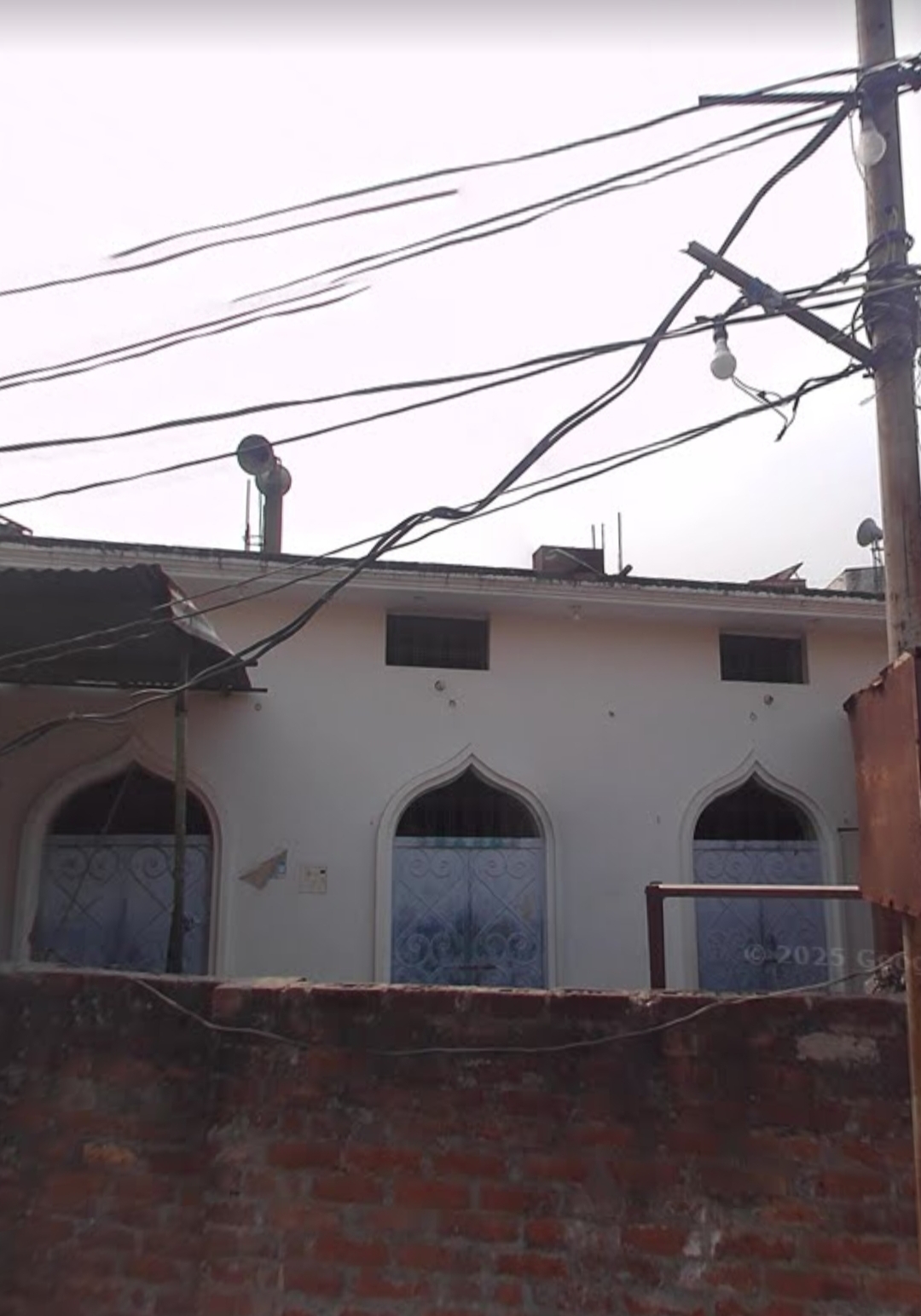
Masjid Nabiganj is a modest local mosque nestled in the heart of Nabiganj, a historic locality within Nawabganj tehsil in Barabanki district. Serving as a serene center for daily prayers and community gatherings, it embodies the understated Islamic heritage of the Awadh region, reflecting the syncretic cultural fabric of Uttar Pradesh where Mughal influences blend with local traditions.
Tucked away in the bustling yet tranquil environs of Nabiganj, a vibrant neighborhood in Nawabganj tehsil, Masjid Nabiganj stands as a quiet testament to the enduring Islamic legacy of Barabanki district in Uttar Pradesh. This local mosque, though not among the grand monuments of the Mughal era, holds significance as a vital spiritual hub for the Muslim community in this tehsil headquarters, which itself traces its roots to the nawabi estates of the 19th century. Nawabganj, formerly known as Maila Raiganj, emerged as a key administrative and taluqdari center under the taluqdars like Raja Lutf Ali Khan and Raja Nawab Ali Khan, whose estates encompassed villages and pattis across the zila in the 1860s. Amid this landscape of Awadh's feudal history, the mosque likely emerged during the late Nawabi or early British period, aligning with the proliferation of community-built prayer spaces that catered to the growing Muslim populace following the annexation of Oudh in 1856. Architecturally, Masjid Nabiganj exemplifies the simple yet functional style typical of provincial mosques in the Gangetic plains—characterized by unadorned brick walls, arched mihrabs, and a modest minaret that punctuates the skyline without ostentation. Its prayer hall, oriented toward the qibla, accommodates local worshippers for the five daily salah, with the courtyard offering a shaded respite for reflection during the sweltering Uttar Pradesh summers. Though specific construction records remain elusive, its placement in Nabiganj—a locality referenced in colonial-era mappings near key roads like Faizabad Road—suggests it was erected to serve the spiritual needs of residents in this agriculturally rich belt, bounded by the Ghaghara and Gomti rivers. The mosque's endurance through the tumultuous events of 1857, when Nawabganj witnessed the Battle of Nawabganj where revolutionaries clashed with British forces under Sir Hope Grant, underscores its role as a stable anchor of faith amid regional upheaval. Today, Masjid Nabiganj continues to foster communal bonds, hosting Taraweeh prayers during Ramadan and Eid celebrations that draw families from surrounding hamlets like Faizulla Ganj and Palhari. Its coordinates at the approximate center of Nawabganj place it mere kilometers from Barabanki's district headquarters, making it accessible via National Highway 28, yet it retains an intimate, neighborhood character. As a preserved slice of Barabanki's minority-concentrated Islamic heritage—where Muslims form a significant demographic—the mosque quietly preserves the ethos of tawhid and ihsan, inviting visitors to appreciate the layered history of Awadh's lesser-known sacred spaces. In an era of rapid urbanization, Masjid Nabiganj remains a poignant reminder of how local acts of devotion have woven the tapestry of India's pluralistic past.
Year of Built: Not Available
Address: W6J5+GX7, Lautabagh, Nabiganj, Barabanki, Uttar Pradesh 225001
Country: India
State: Uttar Pradesh
District: Barabanki
Pincode: 225001
Longitude: 81.1900° E
Latitude: 26.9400° N