
Indo Islamic Heritage


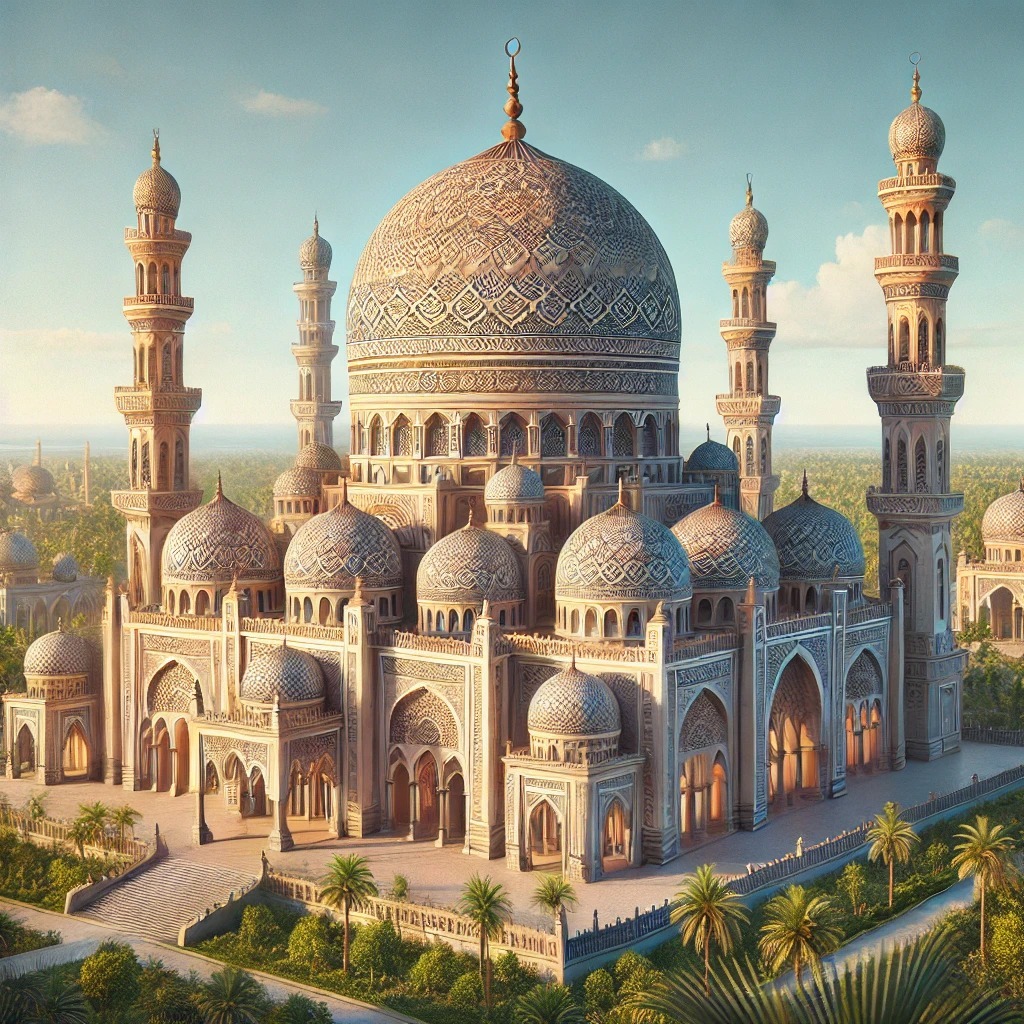
Masjid Rani Shahi is a modest yet historically significant local mosque nestled in the village of Shahabpur within Barabanki district, Uttar Pradesh. Reflecting the understated elegance of rural Islamic architecture in Awadh, it serves as a serene place of worship for the local Muslim community, embodying the region's layered Islamic heritage amid its agrarian landscape.
Tucked away in the verdant plains of Barabanki district, a region renowned for its historical ties to the Awadh Nawabs and early Mughal influences, Masjid Rani Shahi stands as a quiet testament to the enduring Islamic legacy of rural Uttar Pradesh. Located in the village of Shahabpur, this unassuming mosque exemplifies the blend of simplicity and spiritual depth characteristic of local prayer sites in the Gangetic heartland. Though not as grandiose as the monumental mosques of Lucknow or Jaunpur, its significance lies in its role as a community anchor, fostering daily prayers and communal gatherings in a setting shaped by centuries of cultural confluence. The mosque's architecture, while restrained, draws from traditional Indo-Islamic motifs adapted to local resources—think sturdy brick walls, arched doorways, and a central mihrab oriented toward Mecca, all under a flat or gently domed roof suited to the subtropical climate. Its construction reflects the practical ingenuity of village builders, with lime plaster finishes and minimal ornamentation that prioritize functionality over opulence. Over time, it has likely undergone minor restorations to withstand monsoons and seismic shifts common to the Indo-Gangetic plain, preserving its form as a humble edifice amid Shahabpur's patchwork of fields and hamlets. Historically, Masjid Rani Shahi traces its roots to the 18th century, a period when Awadh's taluqdars and local Muslim elites commissioned such sites to consolidate faith and social order in agrarian outposts. The name "Rani Shahi"—evoking "Royal" or "Queenly"—hints at possible patronage from a noblewoman or a branch of the regional royalty, aligning with the era's tradition of women-led endowments in Islamic architecture. Barabanki itself, with its history intertwined with the Sharqi dynasty and later Nawabi rule, provided fertile ground for such developments; nearby Dariyabad, once the district's headquarters under the Sharqis, underscores the area's medieval Islamic imprint. The mosque's establishment during this time would have coincided with the consolidation of Muslim landholdings post-Aurangzeb, serving not just as a prayer hall but as a symbol of resilience for the Khanzada Rajput converts and other Muslim settlers in the region. Today, Masjid Rani Shahi remains an active focal point for Shahabpur's residents, hosting Friday congregations and Ramadan observances that echo the broader tapestry of Uttar Pradesh's Islamic sites—from the opulent Bara Imambara in Lucknow to the ancient Atala Masjid in Jaunpur. Its preservation highlights the quiet vitality of India's lesser-known heritage, where local mosques like this one continue to weave threads of devotion into the fabric of everyday life.
Year of Built: Not Available
Address: W6WX+3GH, Lucknow - Colonelganj - Gonda Rd, Chauki, Shahab Pur, Barabanki, Uttar Pradesh 225203
Country: India
State: Uttar Pradesh
District: Barabanki
Pincode: 225203
Longitude: 81.202241° E
Latitude: 26.931617° N