
Indo Islamic Heritage


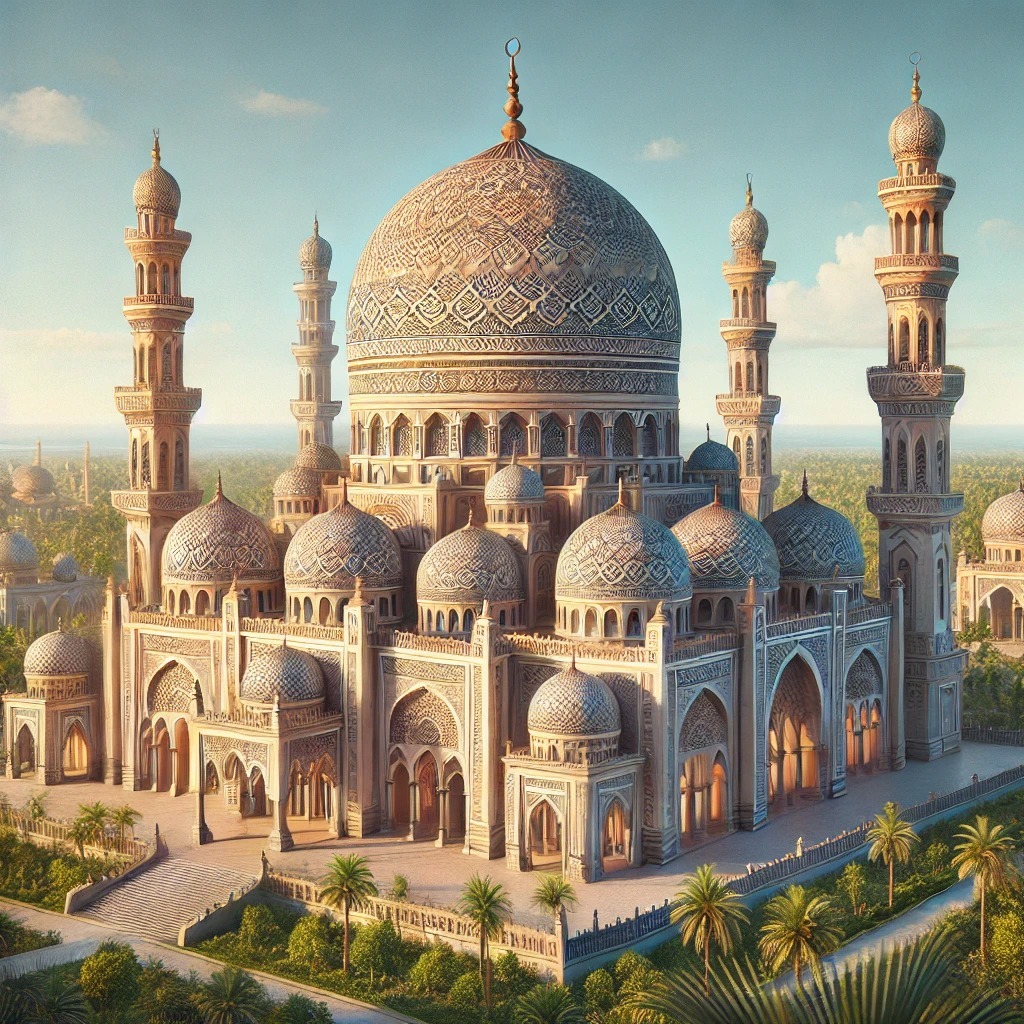
The Imambara Taqaiyya Begum Waqf Amjad Ali Khan in Begumganj, Barabanki, Uttar Pradesh, stands as a serene testament to 19th-century Shia Islamic architecture and philanthropy in the Awadh region. Established as a waqf endowment, this imambara and taqaiyya complex—comprising a congregation hall for Muharram observances and a hospice for pilgrims—embodies the enduring legacy of royal piety and communal welfare under the Nawabs of Awadh.
Nestled in the historic town of Begumganj within Barabanki district, the Imambara Taqaiyya Begum Waqf Amjad Ali Khan emerges as a poignant architectural relic of the Nawabi era in Uttar Pradesh, reflecting the deep-rooted Shia traditions of mourning and hospitality that defined Awadh's cultural landscape. Begumganj itself derives its name from the influential begums of the Awadh court, underscoring the site's intimate ties to the region's royal women who played pivotal roles in patronage and preservation of Islamic heritage. This waqf property, dedicated in the name of Amjad Ali Khan—likely alluding to Nawab Amjad Ali Shah, the fourth King of Awadh (r. 1842–1847)—was conceived as a multifaceted complex serving both spiritual and social needs. The imambara, or assembly hall, was primarily intended for azadari gatherings during Muharram, where devotees commemorate the martyrdom of Imam Husayn through recitations, lamentations, and processions, fostering a profound sense of communal solidarity. Adjacent to it, the taqaiyya (hospice) provided shelter and sustenance to travelers and pilgrims, embodying the Islamic principle of zakat and the Nawabi ethos of benevolence toward the faithful. Constructed in the 1840s amid the opulent yet turbulent final decades of Awadh's independence, the complex exemplifies the refined Indo-Islamic style prevalent under Amjad Ali Shah's rule. Though specific blueprints are scarce, surviving waqf records and local chronicles suggest a modest yet elegant design: a central arched hall with intricate stucco work adorning mihrabs and domes, flanked by verandas for processional routes. The use of lakhauri bricks—small, fired clay units typical of Lucknowi architecture—lends durability and a subtle aesthetic warmth, while subtle motifs of cypress trees and geometric patterns evoke the eternal gardens of paradise, a recurring theme in Shia funerary art. As a waqf, the property was endowed in perpetuity for maintenance through dedicated revenues, ensuring its role as a living sanctuary rather than a mere monument. This endowment aligns with Amjad Ali Shah's broader legacy of infrastructural piety, including the development of Hazratganj in Lucknow and bridges over the Gomti River, all aimed at harmonizing faith with public welfare. The site's historical significance deepened during the 1857 Indian Rebellion, when Awadh became a crucible of resistance against British annexation. Barabanki, strategically positioned between Lucknow and Faizabad, served as a conduit for revolutionaries, including Begum Hazrat Mahal, who rallied forces from nearby strongholds. While direct records of the imambara's involvement are limited, its location in Begumganj—a hub named for begum endowments—positioned it amid the fervor of anti-colonial fervor, where local waqfs often doubled as safe havens for insurgents and mourners alike. Post-rebellion, the complex endured British reprisals, its waqf status shielding it from outright demolition, though encroachments and neglect posed ongoing threats. Today, under the stewardship of Uttar Pradesh's Shia Waqf Board, it remains a protected heritage site, drawing Shia pilgrims for annual tazia processions and scholars studying Awadh's architectural evolution. In an era when grand imambaras like Lucknow's Bara Imambara symbolized royal extravagance, the Imambara Taqaiyya Begum Waqf Amjad Ali Khan quietly champions understated devotion. Its survival speaks to the resilience of waqf institutions in preserving Islamic cultural identity amid colonial disruptions and modern urbanization. Visitors to this understated gem in Barabanki are invited not just to admire its faded arches but to reflect on the timeless interplay of faith, architecture, and community that continues to echo through the prayer calls at dusk.
Year of Built: Not Available
Address: W5HR+7C4, Begum Gunj, Barabanki, Uttar Pradesh 225001
Country: India
State: Uttar Pradesh
District: Barabanki
Pincode: 225001
Longitude: 81.1900° E
Latitude: 26.9400° N