
Indo Islamic Heritage


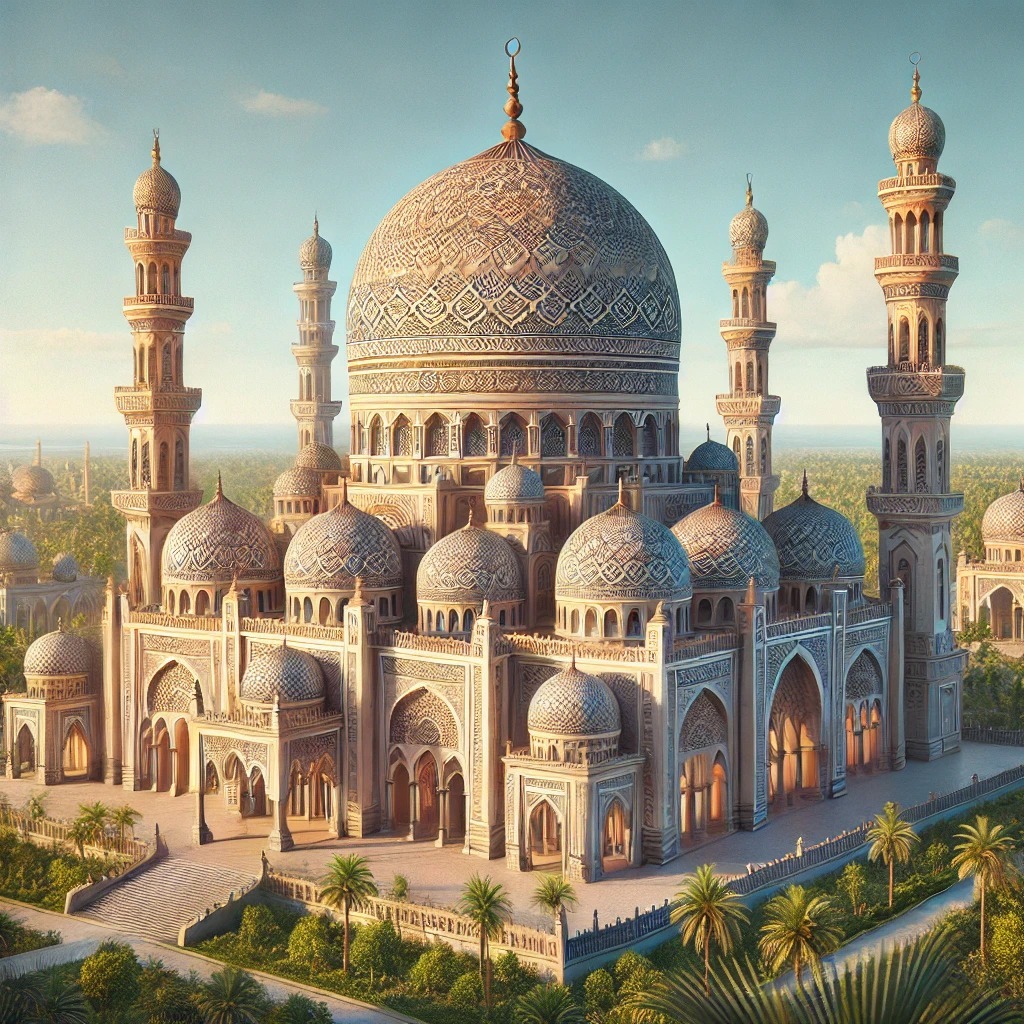
Talab Wali Masjid, nestled in the historic Qureshi Nagar neighborhood of Bareilly, Uttar Pradesh, is a modest yet enduring symbol of the city's Islamic heritage. Likely constructed during the 18th or 19th century amid the Rohilla Nawabs' era, this mosque overlooks a serene pond (talab) that lends it its evocative name. With its simple brick architecture and community-centric design, it serves as a vital prayer space for locals, reflecting Bareilly's layered Mughal and colonial influences.
In the heart of Bareilly, a city woven into the tapestry of northern India's Islamic history as the cradle of the Rohilkhand region, stands Talab Wali Masjid—a quiet testament to the enduring faith and architectural simplicity that defined local Muslim life under the Rohilla Nawabs. Established around 1800 CE during the zenith of Rohilla influence in the late 18th century, the mosque emerged as a communal anchor in Qureshi Nagar, a locality named after the Qureshi clan, descendants of the Prophet Muhammad, who settled in Bareilly following migrations from Mughal heartlands. This period, marked by the short-lived but culturally vibrant Rohilla principality under leaders like Hafiz Rahmat Khan, saw a proliferation of mosques that blended Persian aesthetics with indigenous practicality, and Talab Wali exemplifies this fusion. The mosque's name, translating to "Mosque by the Pond," derives from its intimate proximity to a traditional stepwell-like talab—a vital water body that once sustained the neighborhood's daily rituals, from ablutions (wudu) before prayers to community gatherings during festivals like Eid. Though the pond has diminished over time due to urban encroachment, its legacy persists in the mosque's layout, where an open courtyard faces the mihrab (prayer niche), allowing natural light to filter through arched openings reminiscent of Awadhi styles. Constructed primarily from locally sourced bricks with lime mortar, the structure eschews ornate minarets or domes, favoring a single-story prayer hall flanked by modest verandahs. These features—unadorned yet functional—echo the pragmatic ethos of Rohilla builders, who prioritized accessibility for the working-class Pathan and Qureshi communities over imperial grandeur. Historically, Talab Wali Masjid has been more than a place of worship; it embodied the social fabric of Bareilly's Old City, a quarter that withstood the turbulence of the 1857 Indian Rebellion, when Rohilkhand's Muslim elites rallied against British forces. Local oral traditions, preserved through generations of imams, recount how the mosque sheltered families during those upheavals, its sturdy walls offering refuge amid the chaos that reshaped Uttar Pradesh's political landscape. By the early 20th century, as Bareilly evolved into a bustling trade hub under British rule, the mosque adapted quietly, hosting not just the five daily salah but also modest madrasa sessions for Quranic instruction, fostering literacy among Qureshi youth.
Year of Built: Not Available
Address: 9C6V+692, Unnamed Road, Qureshi Nagar, Bareilly, Uttar Pradesh 243005
Country: India
State: Uttar Pradesh
District: Bareilly
Pincode: 243005
Longitude: 79.4250° E
Latitude: 28.3675° N