
Indo Islamic Heritage


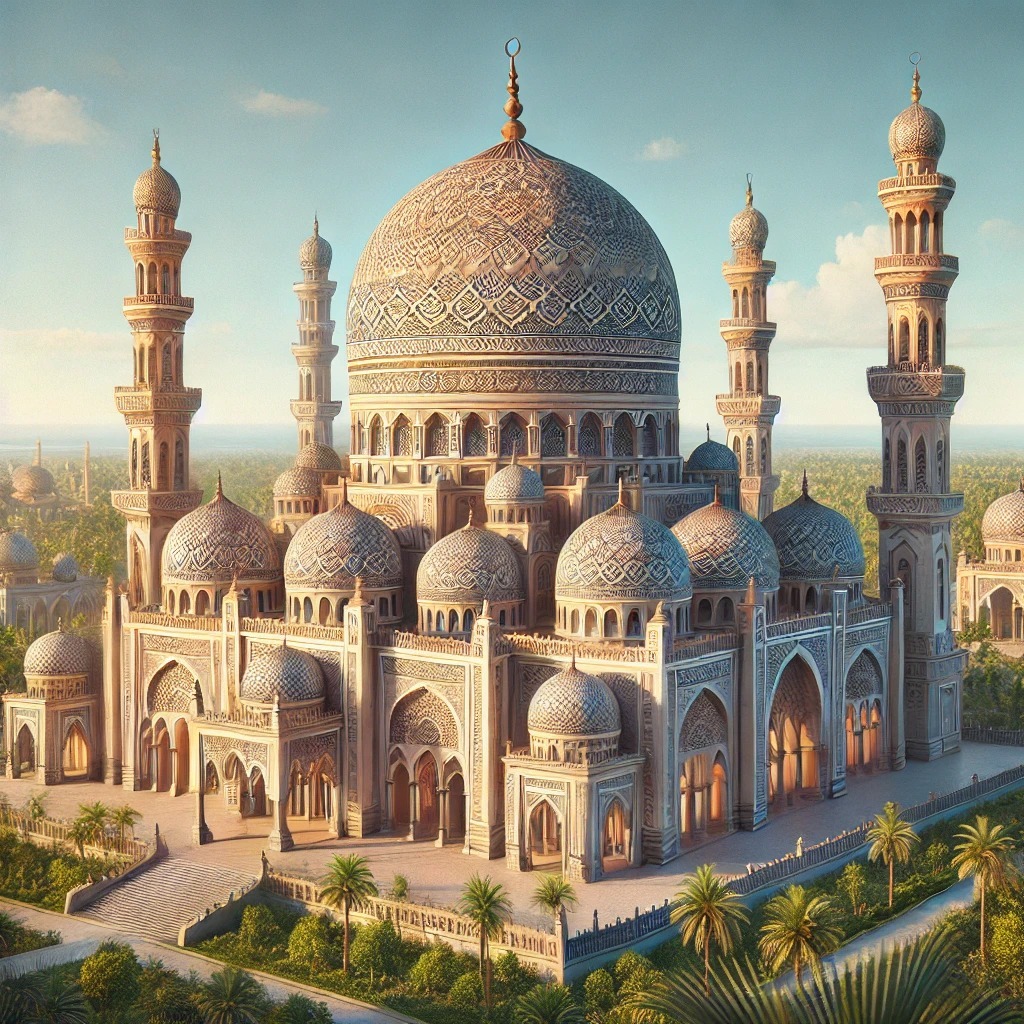
Masjid Janak Puri, a modest yet integral place of worship nestled in the vibrant Janakpuri locality of Bareilly, serves as a serene hub for the local Muslim community. Situated along Pilibhit Road, this mosque embodies the enduring Islamic architectural simplicity and communal spirit of Rohilkhand, offering a tranquil space for daily prayers amid the city's bustling urban landscape.
In the heart of Bareilly, a city steeped in the multicultural legacy of the Rohilkhand region—once a stronghold of Afghan Rohilla influence during the 18th century—lies Masjid Janak Puri, a testament to the quiet resilience of Islamic devotional life in contemporary India. Bareilly, ceded to British control in 1801 following the Rohilla War, has long been a mosaic of Hindu, Muslim, and colonial histories, with its mosques standing as enduring symbols of faith amid shifting political tides. Masjid Janak Puri, though not among the grand Mughal-era structures like the city's iconic Jama Masjid, represents the grassroots evolution of Islamic sacred spaces in Uttar Pradesh's northern plains, where community needs have shaped architecture over imperial grandeur. Located in the Janakpuri neighborhood—a residential enclave developed in the post-independence era as Bareilly expanded into a key agricultural and trade hub—the mosque occupies a strategic position along Pilibhit Road. This arterial route connects Bareilly to neighboring districts, underscoring the mosque's role as a convenient spiritual anchor for residents commuting through the area's mix of colonial-era bungalows and modern housing colonies. The locality itself, with its pincode 243003 under the Masjid Domni post office, is characterized by a diverse populace of around 32,000, including Urdu- and Hindi-speaking families, many tracing roots to the Rohilla Pathan migrations of the 1700s. Here, the mosque fosters daily rhythms of prayer, blending seamlessly into the neighborhood's fabric alongside nearby institutions like Manohar Bhushan Inter College and local markets, yet maintaining a distinct aura of sanctity. Architecturally, Masjid Janak Puri adheres to the understated Indo-Islamic vernacular style prevalent in smaller urban mosques of Uttar Pradesh. Its structure likely features a simple rectangular prayer hall oriented toward the qibla (Mecca), with whitewashed walls that echo the minimalist aesthetic of regional dargahs and masjids built during the 20th century. While grander Bareilly mosques boast minarets and intricate jaali work reminiscent of Mughal influences, this one prioritizes functionality: an open courtyard for wudu (ablution), arched doorways for ventilation suited to the subtropical climate, and a modest mihrab (prayer niche) marking the focal point for imam's recitations. The absence of ornate domes or minbars suggests a construction timeline in the mid-20th century, aligning with Bareilly's post-Partition urban renewal, when local waqf boards and community funds supported such edifices to serve growing populations displaced by historical upheavals. Historically, the mosque's origins are tied to Bareilly's broader Islamic narrative, a city that flourished under Rohilla Nawabs before British annexation and later became a center for the 1857 Revolt, where Muslim leaders rallied for independence. Though specific founding records for Masjid Janak Puri remain elusive—likely due to its community-driven inception rather than royal patronage—it emerged as part of the localized Islamic revival in Rohilkhand during the 1950s and 1960s. This period saw Bareilly's Muslim populace, enriched by the scholarly legacy of figures like Ala Hazrat Imam Ahmed Raza Khan (buried nearby at Bareilly Sharif), channeling resources into neighborhood mosques to preserve cultural and religious continuity. Today, it hosts five daily salah sessions, drawing families from adjacent areas like Nehru Park Colony and Shrinathpuram, and occasionally accommodates Jumu'ah (Friday) sermons that echo themes of unity and resilience drawn from the region's storied past. As a historical site, Masjid Janak Puri encapsulates the understated heroism of India's Islamic heritage: not through monumental scale, but through its role in sustaining faith across generations. In an era of rapid urbanization, it stands as a quiet guardian of Bareilly's syncretic soul, inviting reflection on how sacred spaces like this have woven the threads of devotion into the everyday tapestry of life in Uttar Pradesh. Visitors, whether pilgrims or history enthusiasts, will find in its unpretentious environs a profound reminder of Islam's deep-rooted presence in the subcontinent's northern heartland.
Year of Built: Not Available
Address: 311, Janakpuri, Bareilly, Uttar Pradesh 243122
Country: India
State: Uttar Pradesh
District: Bareilly
Pincode: 243122
Longitude: 79.4304° E
Latitude: 28.3670° N