
Indo Islamic Heritage


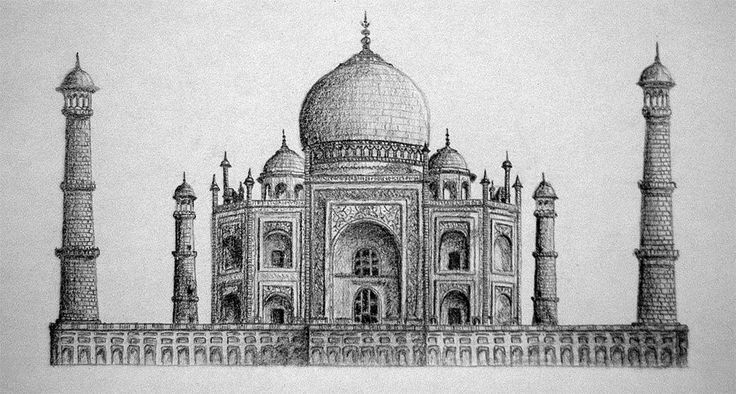
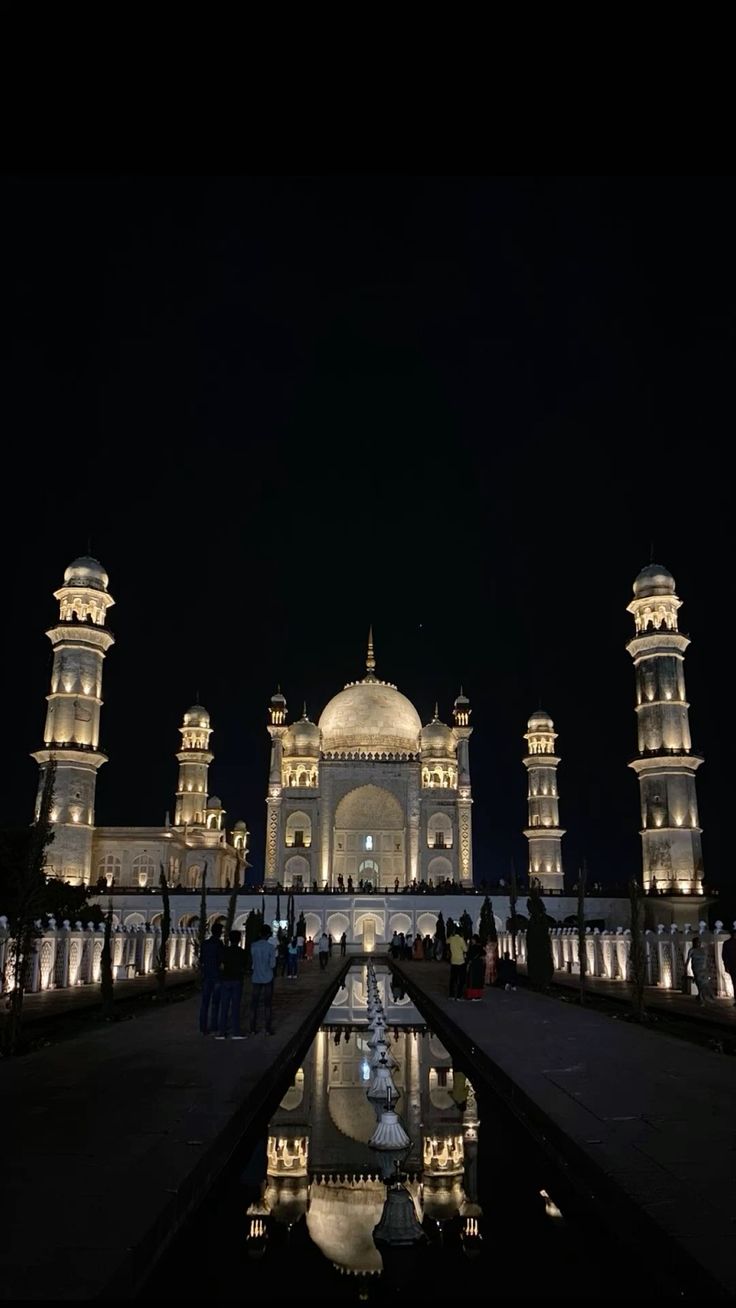
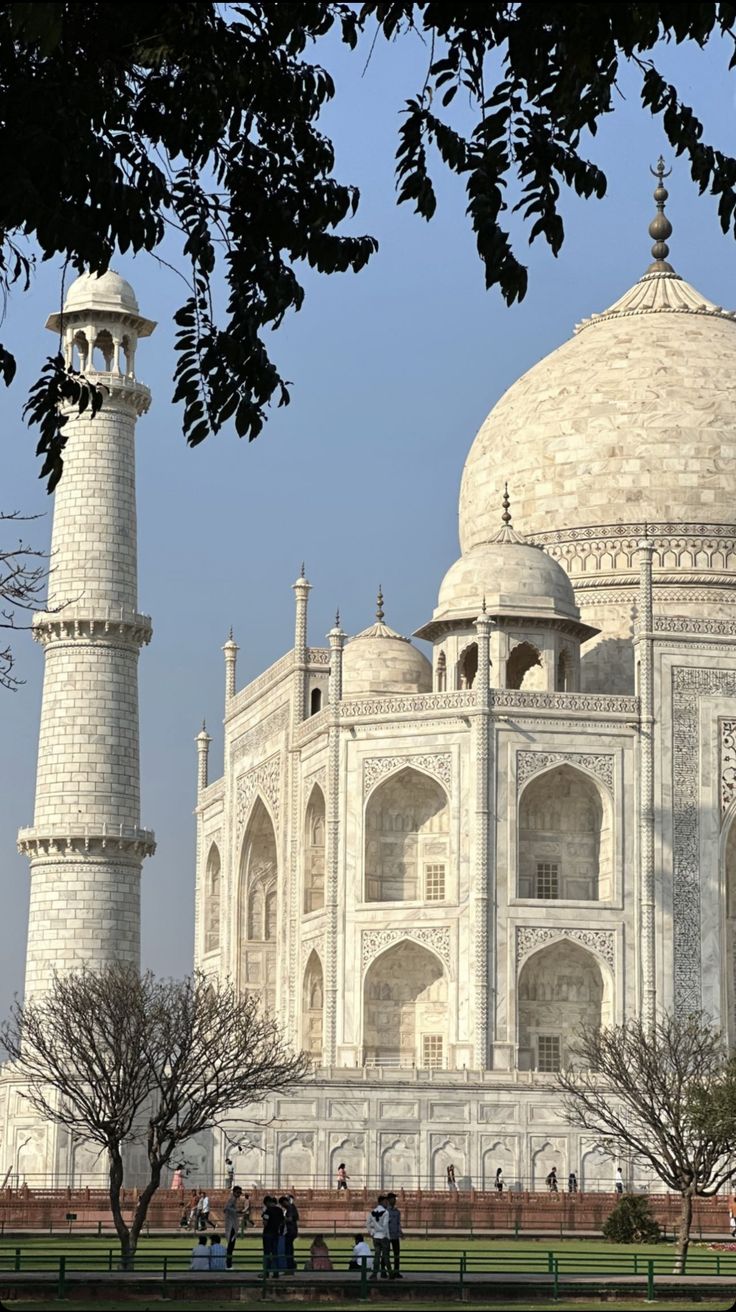

Taj Mahal: The Eternal Symbol of Love Nestled on the banks of the Yamuna River in Agra, the Taj Mahal stands as one of the most breathtaking monuments in the world. Revered as the "Crown of Indian Architecture," this majestic white marble mausoleum was commissioned by Emperor Shah Jahan in 1632 to honor his beloved wife Mumtaz Mahal. Nearest Railway Station: Agra Cantt Railway Station (Approx. 6 km from the Taj Mahal). Nearest Bus Stand: Idgah Bus Stand, Agra (Approx. 7 km). Nearest Metro Station: The nearest metro station is Sikandra (Approx. 10 km), but there is no direct metro access to the Taj Mahal. Nearest Airport: Agra Airport (Kheria) (Approx. 10 km).
The Taj Mahal, a shimmering symphony in white marble, stands as a testement to eternal love and architectural brillance. Situated in the heart of Agra, India, the Taj Mahal is a breathtaking symbol of love and one of the most iconic landmarks in the world. Recognized as a UNESCO World Heritage Site, this magnificent white marble mausoleum is a celebration of art, history, and devotion. Commissioned by the Mughal Emperor Shah Jahan in 1632 in memory of his beloved wife Mumtaz Mahal, it stands as an eternal testament to the emperor?s grief and the boundless love between the two. As you explore its grandeur, you are not just stepping into an architectural marvel, but also into a story that has touched hearts for centuries. Historical Background: The Taj Mahal was constructed between 1632 and 1653, taking over 20 years to complete. Emperor Shah Jahan, devastated by the death of his wife Mumtaz Mahal during childbirth in 1631, decided to create a monument that would capture her beauty and spirit for eternity. Over 20,000 artisans, craftsmen, and laborers from across the Mughal empire worked on the construction, led by Ustad Ahmad Lahauri, the emperor?s court architect. The Taj Mahal?s construction incorporated materials sourced from all over India and Asia, including precious stones, semi-precious gems, and marble from Makrana, Rajasthan. Architectural Features: The Taj Mahal is celebrated for its flawless symmetry and breathtaking design, blending elements of Persian, Ottoman Turkish, and Indian architectural styles. Its most striking feature is the massive white marble dome, which stands 240 feet tall and is flanked by four towering minarets, each reaching 130 feet into the sky. The dome symbolizes the heavens, while the minarets are designed to tilt slightly outward, ensuring they do not collapse onto the main structure in case of an earthquake. The Taj Mahal is set within an expansive garden, known as a charbagh, which is divided into four parts by water channels, symbolizing the Islamic idea of paradise. The reflecting pool in the center mirrors the stunning beauty of the monument, enhancing its visual splendor. The entire complex is surrounded by a red sandstone wall, adding contrast to the white marble of the tomb. Inside the mausoleum, the tombs of Shah Jahan and Mumtaz Mahal are placed in a beautifully decorated crypt, surrounded by intricate marble inlay work featuring floral designs and verses from the Quran. The walls are adorned with precious stones like jade, crystal, and lapis lazuli, showcasing the exquisite craftsmanship of the artisans who created this masterpiece. The use of light and shadow in the interior is also remarkable, with sunlight filtering through the marble lattice screens, creating an ethereal atmosphere. The Taj Mahal is not just a monument; it is a living piece of history, encapsulating the glory of the Mughal Empire, the skill of Indian artisans, and the eternal love of a king for his queen. Its breathtaking beauty and intricate craftsmanship continue to awe visitors from around the world. The Taj Mahal stands as a reminder of how art and architecture can immortalize human emotions, turning love into a timeless masterpiece that transcends time and space. To visit the Taj Mahal is to experience not just a historical landmark, but a profound journey into the heart of India?s cultural and architectural heritage.
Year of Built: Completed in 1648
Address: Dharmapuri, Forest Colony, Tajganj, Agra, Uttar Pradesh 282001
Country: India
State: Uttar Pradesh
District: Agra
Pincode: 282001
Longitude: 78.0422
Latitude: 27.0456