
Indo Islamic Heritage


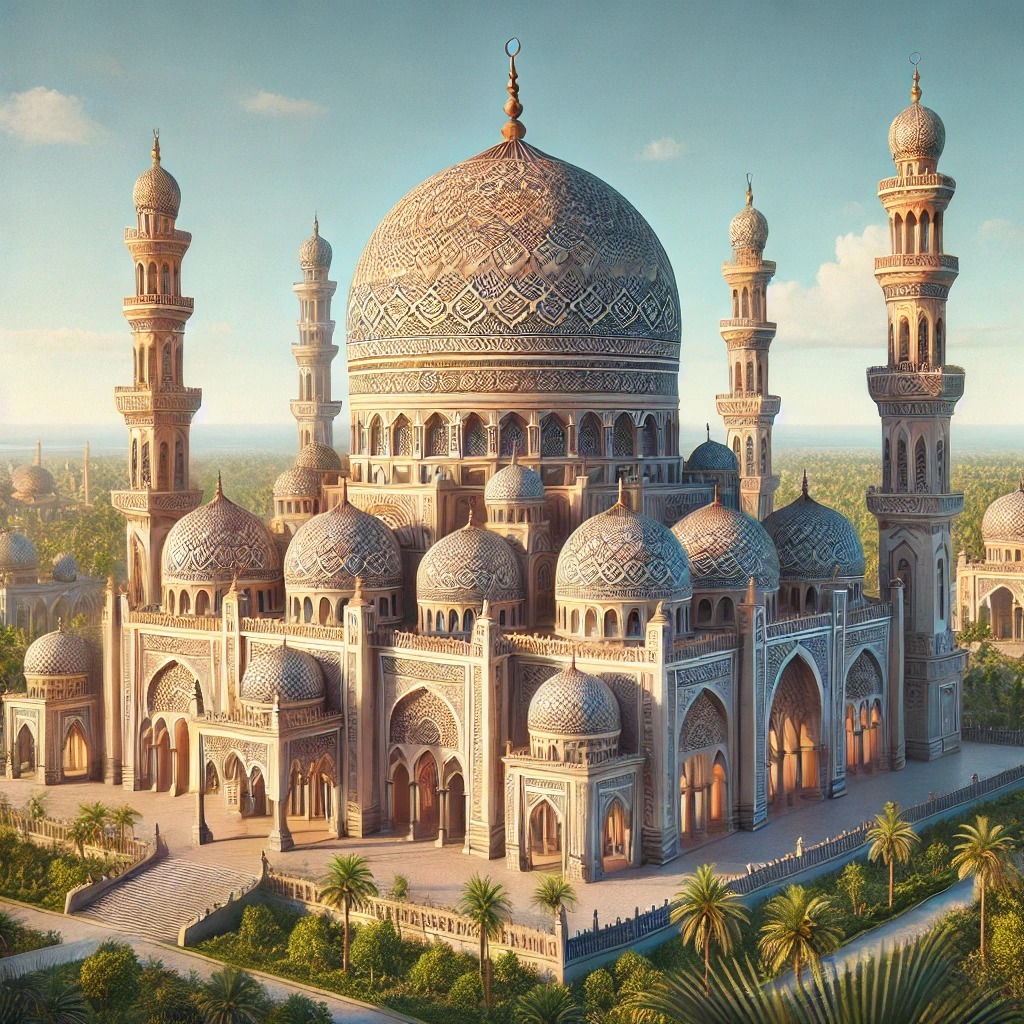
Nestled in the vibrant Shamat Ganj neighborhood of Bareilly's Old City, Yaseen Masjid stands as a modest yet integral place of worship for the local Muslim community. Named after Surah Yaseen—a revered chapter of the Quran symbolizing divine mercy and guidance—this unassuming mosque serves as a spiritual anchor amid the bustling lanes, fostering daily prayers and communal harmony in the historic Rohilkhand region.
Bareilly, often hailed as the "Paris of Rohilkhand" for its rich cultural tapestry, has long been a cradle of Islamic heritage in northern India, with roots tracing back to the 16th-century Mughal era. Founded in 1657 by Mughal governor Makrand Rai, the city emerged as a thriving center under Rohilla Afghan influence, where grand mosques like the Jama Masjid exemplified architectural splendor and interfaith collaboration. Within this storied landscape lies Yaseen Masjid, a local gem in the densely populated Shamat Ganj area of the Old City, embodying the quiet resilience of everyday sacred spaces that have sustained Muslim life for generations. Tucked into the heart of Shamat Ganj—a locality known for its narrow, winding alleys lined with traditional bazaars and artisan workshops—Yaseen Masjid occupies a central position that reflects Bareilly's layered history. The surrounding Old City, with its echoes of Mughal and Rohilla patronage, pulses with the rhythm of daily life: merchants haggling over zari-embroidered fabrics, the call to prayer mingling with the chatter of tea stalls, and families gathering under the shade of ancient banyan trees. The mosque itself, though humble in scale compared to Bareilly's more iconic structures like the Dargah Ala Hazrat or Bibi ki Masjid, draws its significance from its role as a neighborhood hub. It accommodates the five daily salah, Jumu'ah congregations, and occasional community events, providing solace to residents in a district where Islam has flourished since the 18th century, when Pashtun settlers established Rohilkhand as a beacon of Sunni scholarship. While precise records of its construction remain elusive—likely owing to its status as a community-built edifice rather than a royal commission—Yaseen Masjid's enduring presence aligns with Bareilly's post-Mughal phase of local Islamic revival. The city's mosques, including this one, were often erected through collective efforts by devout locals during the 18th and 19th centuries, a time when Rohilla leaders like Hafiz Rahmat Khan championed religious endowments amid political flux. Its name evokes the profound spiritual resonance of Surah Yaseen, recited for protection and blessings, underscoring the mosque's function as a beacon of faith in turbulent times. Architecturally simple, it features typical elements of regional Indo-Islamic design: a mihrab oriented toward Mecca, arched doorways, and a modest minaret that calls the faithful at dawn and dusk. Over time, it has weathered the shifts of colonial rule, independence struggles, and modern urbanization, standing as a testament to the unbroken thread of devotion that binds Bareilly's Muslim populace. Today, Yaseen Masjid continues to thrive as a vital node in Bareilly's spiritual network, its courtyard alive with the footsteps of worshippers from nearby hamlets. In a city revered as "Nath Nagari" for its Shiva-centric ethos, this mosque quietly upholds the ethos of peaceful coexistence, inviting reflection on the shared heritage that has defined Rohilkhand for centuries. For those tracing India's Islamic architectural legacy, Yaseen Masjid offers an intimate glimpse into the lived piety that underpins the grandeur of more famed sites— a humble sanctuary where history whispers through the rustle of prayer mats and the echo of ancient verses.
Year of Built: Not Available
Address: Yaasen Masjid, yaseen masjid, Near, Old City, Bareilly, Uttar Pradesh 243006
Country: India
State: Uttar Pradesh
District: Bareilly
Pincode: 243006
Longitude: 79.4304° E
Latitude: 28.3670° N