
Indo Islamic Heritage


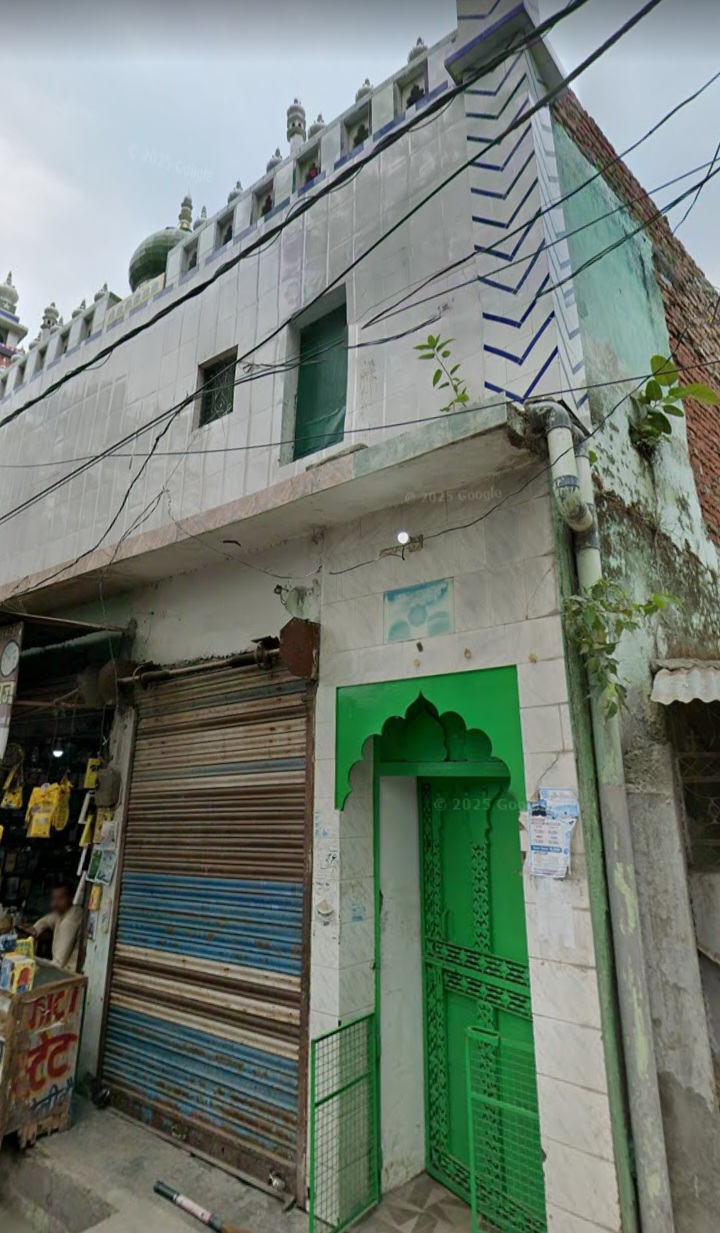
Masjid Dulha Miya is a modest local mosque and shrine complex in the Brahampura neighborhood of Bareilly, Uttar Pradesh, serving as a serene place of worship and spiritual retreat for the Muslim community. Known for its intimate scale and community significance, it embodies the everyday Islamic heritage of Rohilkhand, drawing local devotees for daily prayers and occasional commemorations.
Nestled in the bustling yet unassuming lanes of Brahampura, a residential enclave in Bareilly's historic urban fabric, Masjid Dulha Miya stands as a quiet testament to the enduring spiritual life of Uttar Pradesh's Rohilkhand region. Bareilly, founded in 1657 by Mughal governor Makrand Rai under Emperor Aurangzeb, has long been a crossroads of Islamic influences, from the grand dargahs of Sufi saints to humble neighborhood mosques that anchor daily devotion. This local gem, often referred to interchangeably with the adjacent Dulha Miya Ki Mazar (shrine), honors a revered local figure—likely a Sufi saint or community elder—whose legacy of piety and service continues to inspire the faithful. The mosque's origins trace to the mid-20th century, a period when Bareilly's Muslim communities, shaped by centuries of Mughal and Rohilla Afghan patronage, rebuilt and revitalized their sacred spaces amid the social transformations of independent India. Though precise construction records remain oral and community-held—typical of such grassroots sites—its architecture suggests a post-1947 foundation, with simple brickwork and a modest minaret that prioritize functionality over ornamentation. The structure features an open courtyard for congregational prayers, arched prayer halls aligned toward Mecca, and subtle Sufi-inspired motifs in its plasterwork, evoking the restrained elegance of regional Islamic design. Adjacent to the masjid, the mazar serves as a focal point for ziyarat (pilgrimage visits), where devotees offer floral tributes and recite litanies in remembrance of Dulha Miya, whose name ("Dulha," meaning bridegroom in Urdu) may allude to a legendary tale of selfless devotion or martyrdom, though such narratives are preserved in local lore rather than formal chronicles. At its heart, Masjid Dulha Miya functions as a vital community hub in Brahampura, a locality woven into Bareilly's textile and trading heritage. Here, the adhan (call to prayer) echoes five times daily, fostering a rhythm of ibadat (worship) that unites families, artisans, and elders. Fridays bring a gentle swell of attendees for Jumu'ah, with the imam delivering khutbahs (sermons) on themes of compassion and resilience—values resonant in Rohilkhand's syncretic cultural tapestry. The site's proximity to Reti Chauraha, a sandy crossroads symbolizing Bareilly's earthy, grounded ethos, enhances its accessibility, making it a natural gathering spot for neighborhood iftars during Ramadan or quiet reflections during Muharram. What elevates Masjid Dulha Miya beyond mere utility is its role in preserving Bareilly's layered Islamic identity. In a city renowned for monumental sites like the 19th-century Bareilly Sharif Dargah—mausoleum of scholar Ahmed Raza Khan Barelvi—this smaller edifice highlights the democratizing spirit of faith, where history unfolds not in marble grandeur but in the lived piety of ordinary lives. Restoration efforts by local waqf committees in recent decades have ensured its endurance, safeguarding it against urban encroachment while maintaining its intimate scale. For visitors seeking an authentic glimpse of India's grassroots Islamic heritage, the mosque offers a poignant reminder that sacred spaces are as much about communal bonds as architectural splendor—enduring quietly amid the Ramganga River's flow and Bareilly's timeless bazaars.
Year of Built: Not Available
Address: 9C9G+68G, Narkulaganj, Brahampura, Bareilly, Uttar Pradesh 243005
Country: India
State: Uttar Pradesh
District: Bareilly
Pincode: 243005
Longitude: 79.4230°E
Latitude: 28.3675°N