
Indo Islamic Heritage


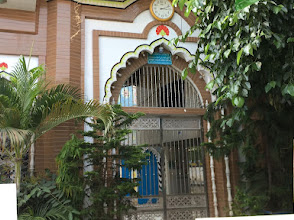
Masjid Bazigiran is a modest local mosque situated in the Haziyapur locality of Bareilly, Uttar Pradesh, serving as a community place of worship for residents in this urban residential area near Model Town. It reflects the everyday Islamic heritage of Bareilly, a city with a rich Mughal and Rohilla history, though specific historical records on its construction are limited due to its local status.
Masjid Bazigiran, located in the Haziyapur area of Bareilly—a city founded in 1657 by Mughal governor Makrand Rai and later shaped by Rohilla Afghan influences—stands as a simple yet integral part of the local Muslim community's spiritual life. Bareilly, in the Rohilkhand region, has long been a hub of Islamic scholarship and architecture, with mosques dating back to the 18th century, but Masjid Bazigiran represents the more understated, neighborhood-scale expressions of faith typical in Uttar Pradesh's urban fringes. As a local mosque, it primarily facilitates daily prayers (salah), Friday congregational services (Jumu'ah), and community gatherings, embodying the Barelvi tradition prevalent in the area, which emphasizes devotional practices and Sufi influences. The mosque's architecture is unpretentious, likely featuring basic elements such as a mihrab (prayer niche indicating the direction of Mecca), minbar (pulpit), and an ablution area (wudu), constructed with local materials to blend into the residential surroundings. While grander sites like the nearby Jama Masjid or Bibi ki Masjid showcase ornate Mughal designs, Masjid Bazigiran prioritizes functionality for its immediate congregation, highlighting how Islamic worship in India adapts to everyday urban settings. Its role extends beyond prayer, often hosting modest religious education sessions or charitable distributions, fostering social cohesion in Haziyapur, a locality known for its mix of Hindi, Urdu, and Punjabi-speaking residents. Though exact construction details are not widely documented in historical archives—common for smaller community mosques—its presence aligns with the proliferation of local prayer spaces during the 19th and early 20th centuries under British colonial rule, when Bareilly's Muslim population grew amid economic shifts in agriculture and trade. Today, it remains a quiet testament to the enduring Islamic fabric of Bareilly, accessible via Stadium Road and contributing to the city's diverse religious landscape alongside prominent sites like the Bareilly Sharif Dargah.
Year of Built: Not Available
Address: Old City, Qureshi Nagar, Bareilly, Haziyapur, Uttar Pradesh 243005
Country: India
State: Uttar Pradesh
District: Bareilly
Pincode: 243005
Longitude: 79.4360° E
Latitude: 28.3757° N