
Indo Islamic Heritage


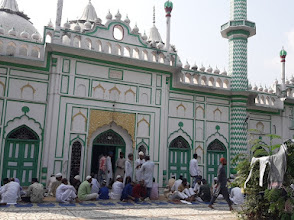
Dargah Nomehla Shareef, also known as Dargah Hazrat Khwaja Nasir Ud-Din Awliya R.A., is a revered local Sufi shrine in Bareilly, Uttar Pradesh, dedicated to the spiritual legacy of Hazrat Khwaja Nasiruddin Mahmud Chiragh Dehlavi (1274–1356 CE), the last major Chishti saint of Delhi and successor to Nizamuddin Auliya. It serves as a modest mosque and place of devotion, attracting devotees for prayers and remembrance of Chishti teachings on love, humility, and spiritual illumination.
The Dargah Nomehla Shareef Hazrat Khwaja Nasir Ud-Din Awliya R.A. stands as a humble yet spiritually significant site in the heart of Bareilly, embodying the enduring influence of the Chishti Order in northern India. Dedicated to Hazrat Khwaja Nasiruddin Mahmud, affectionately titled "Roshan Chiragh-e-Delhi" (Illuminated Lamp of Delhi), this local mosque and shrine honors a 14th-century Sufi master whose life exemplified asceticism, poetic devotion, and unyielding commitment to divine love. Born around 1274 CE in Ayodhya, Uttar Pradesh, to a family of wool traders descended from Iranian migrants, Khwaja Nasiruddin pursued scholarly and spiritual excellence from a young age. At 40, he became a devoted disciple of the renowned Hazrat Nizamuddin Auliya in Delhi, succeeding him as the spiritual head of the Chishti silsila (lineage). He passed away in 1356 CE (757 AH) in Delhi, where his primary mausoleum, Dargah Chiragh Delhi, was initially constructed under Firoz Shah Tughlaq around 1368 CE, with later additions including a mosque by Emperor Farrukhsiyar in the early 18th century. While his main shrine remains in Delhi's Chirag Delhi locality, the Bareilly dargah represents a localized branch of veneration within the Chishti tradition, likely established in the 19th or early 20th century to propagate his teachings amid the Rohilkhand region's growing Sufi networks. As a modest structure functioning primarily as a mosque, it features simple prayer halls and a mazar (tomb) symbolizing his spiritual presence, where devotees offer namaz (prayers) and seek blessings for inner peace. The site emphasizes quiet reflection over elaborate rituals; unlike some Chishti centers, qawwali (devotional music) is not performed here, aligning with Khwaja Nasiruddin's own preference for contemplative worship over performative sama (spiritual listening), which he viewed as potentially distracting from core Islamic principles. The dargah's architecture reflects local Indo-Islamic simplicity, with whitewashed walls, arched mihrabs, and minimal ornamentation focused on functionality for daily congregational prayers. It hosts regular Jumu'ah (Friday) services and occasional Urs commemorations, drawing local Muslims for zikr (remembrance of God) sessions that echo the saint's emphasis on humility and service to humanity. Khwaja Nasiruddin's legacy as a poet and mystic—through works blending Persian and emerging Hindavi influences—continues to inspire, promoting unity and ethical living in a diverse community.
Year of Built: Early 20th Century
Address: 9C48+R6J, Civil Lines, Bareilly, Uttar Pradesh 243003
Country: India
State: Uttar Pradesh
District: Bareilly
Pincode: 243003
Longitude: 79.4200° E
Latitude: 28.3622° N