
Indo Islamic Heritage


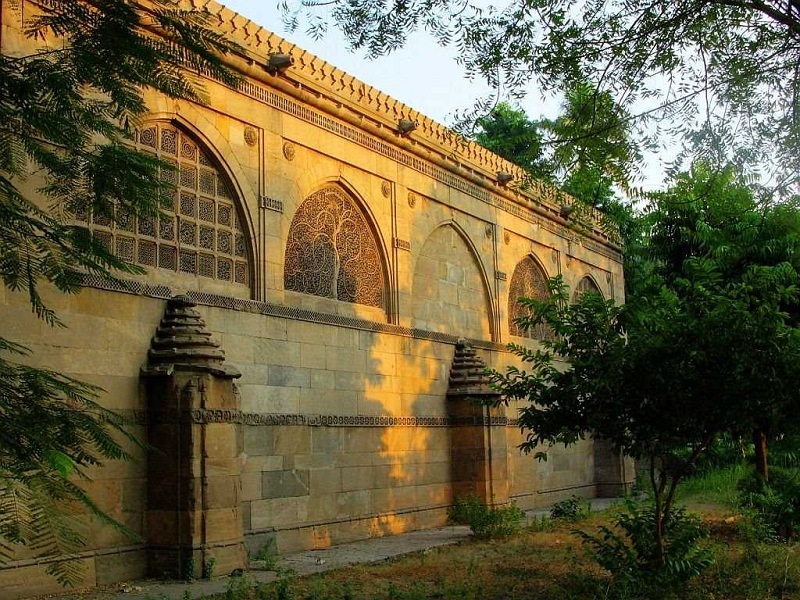
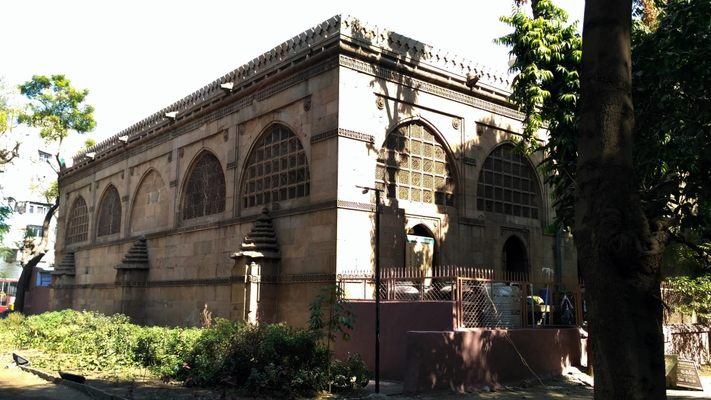
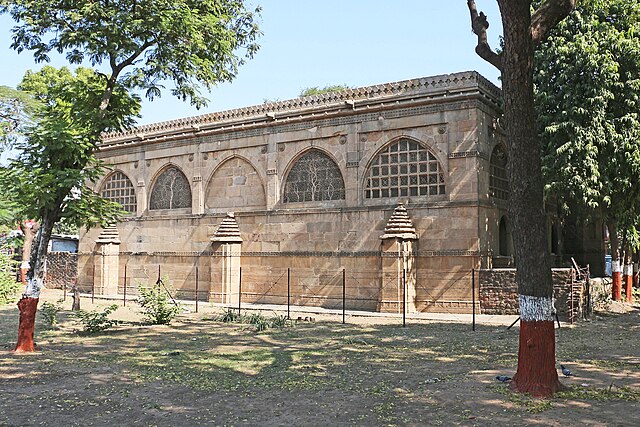
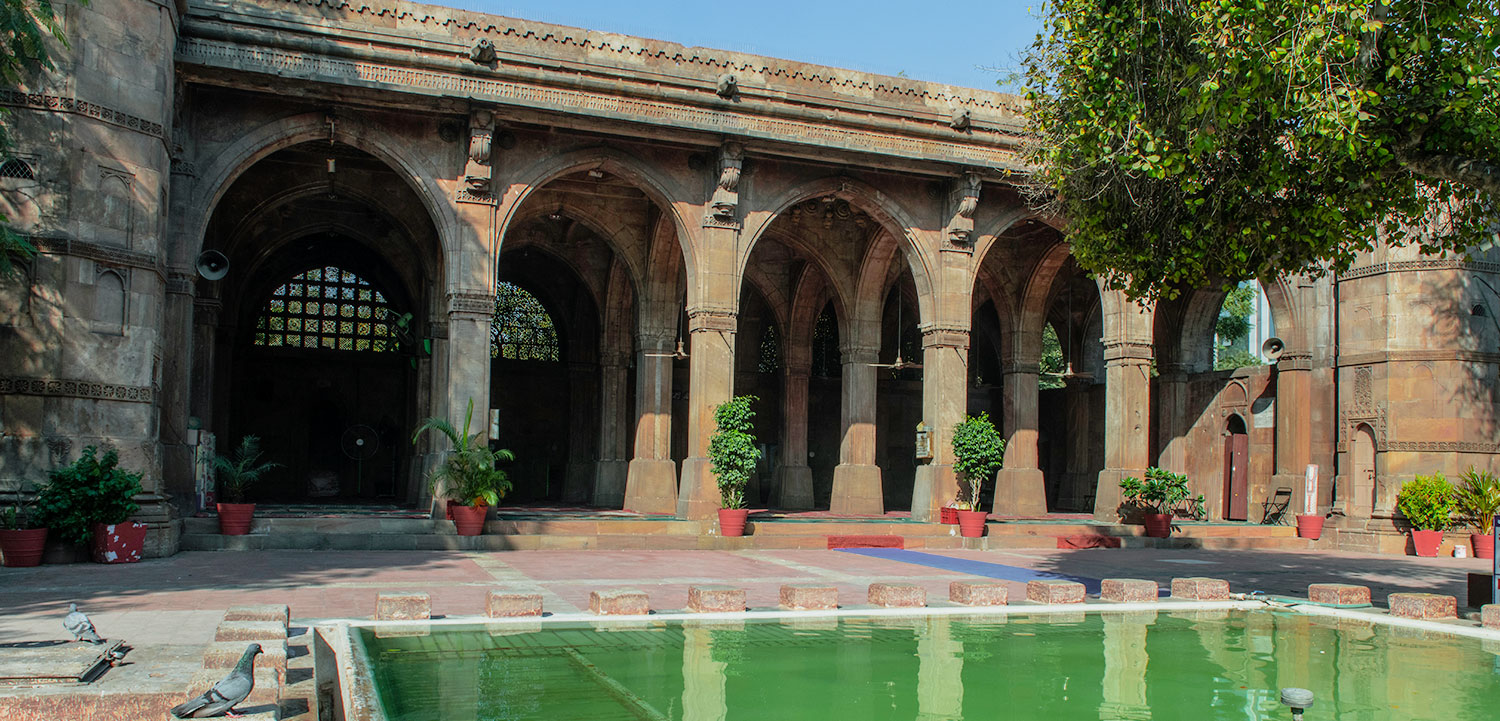
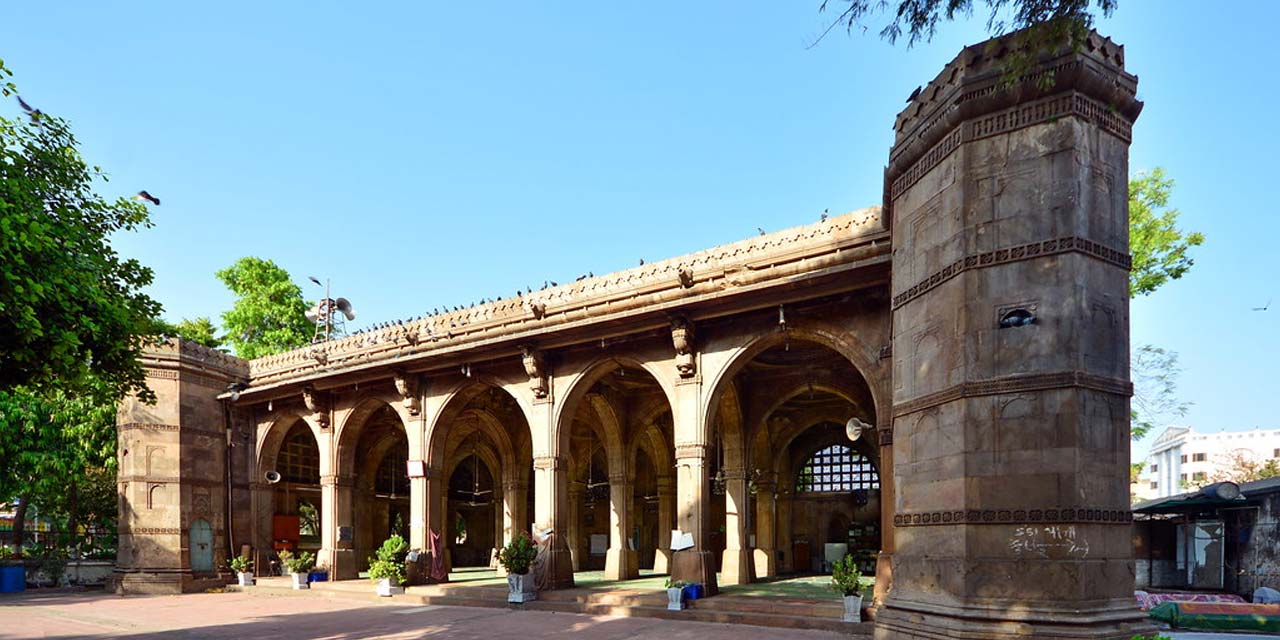
The Sidi Saiyyed Mosque, also known as Sidi Saiyyid ni Jali, is a renowned historical mosque located in Ahmedabad, Gujarat, India. It was constructed in 1572?73 AD (Hijri year 980) by Sidi Sayyad, a nobleman of African (Habshi) descent who served in the court of the Sultan of Gujarat. The Nearest Bus Stand - Lal Darwaja , Nearest Railway Station - Ahmedabad Junction Railway Station Nearest Airport- Sardar Vallabhbhai Patel International Airport
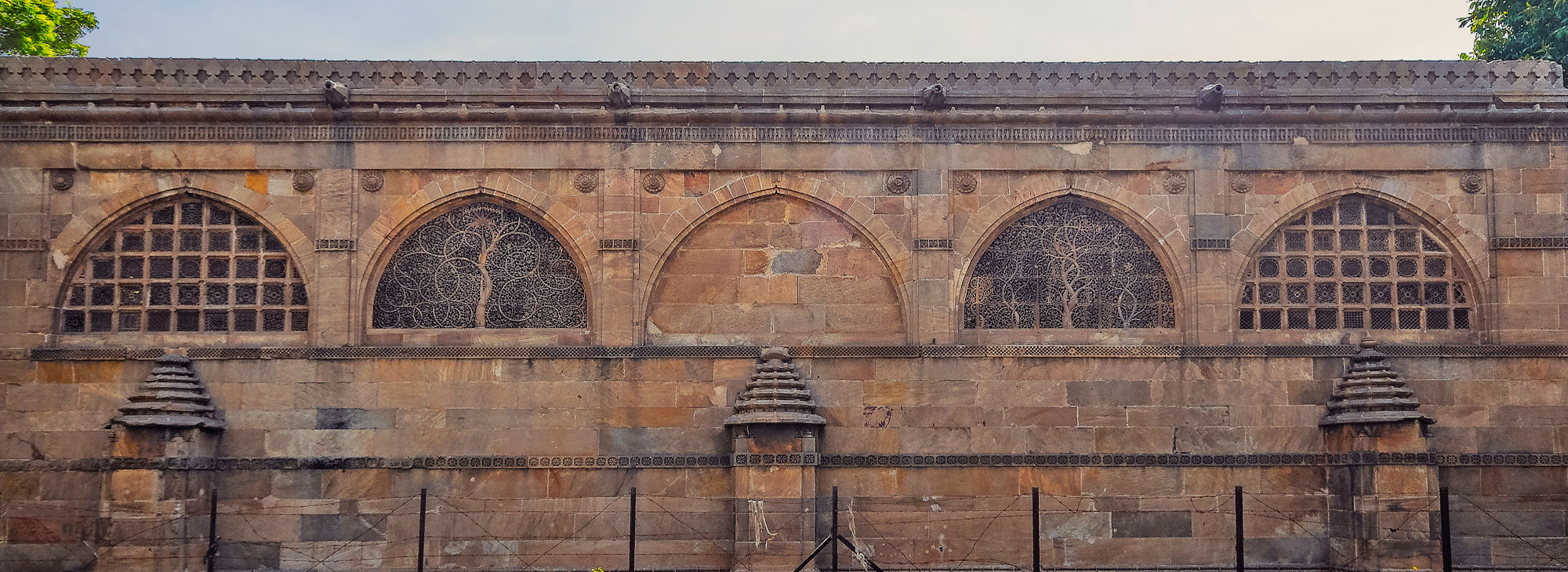
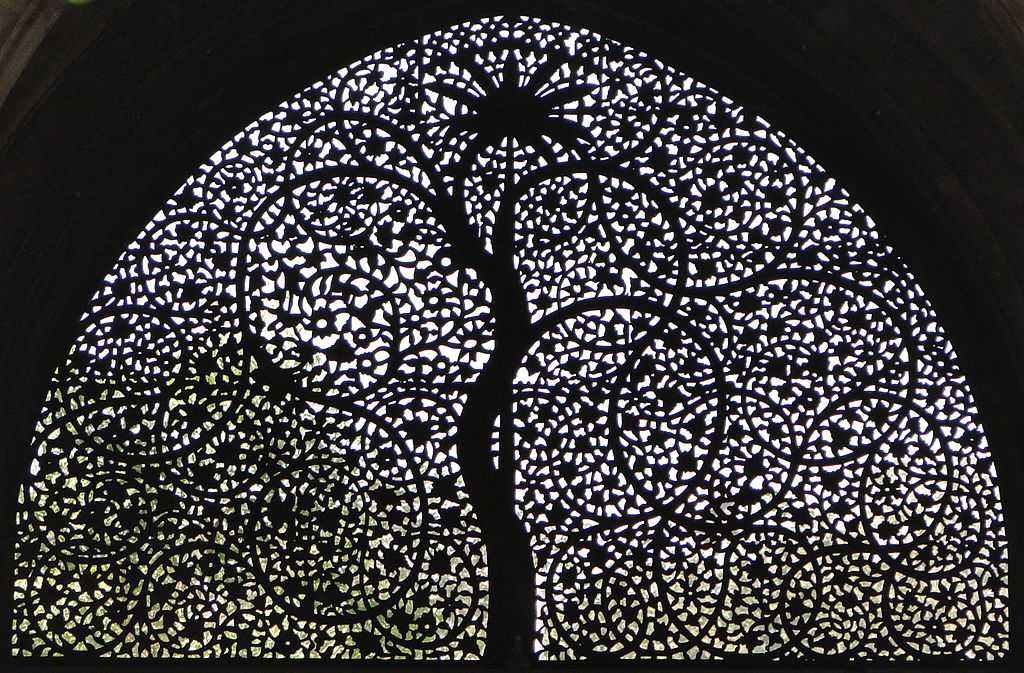
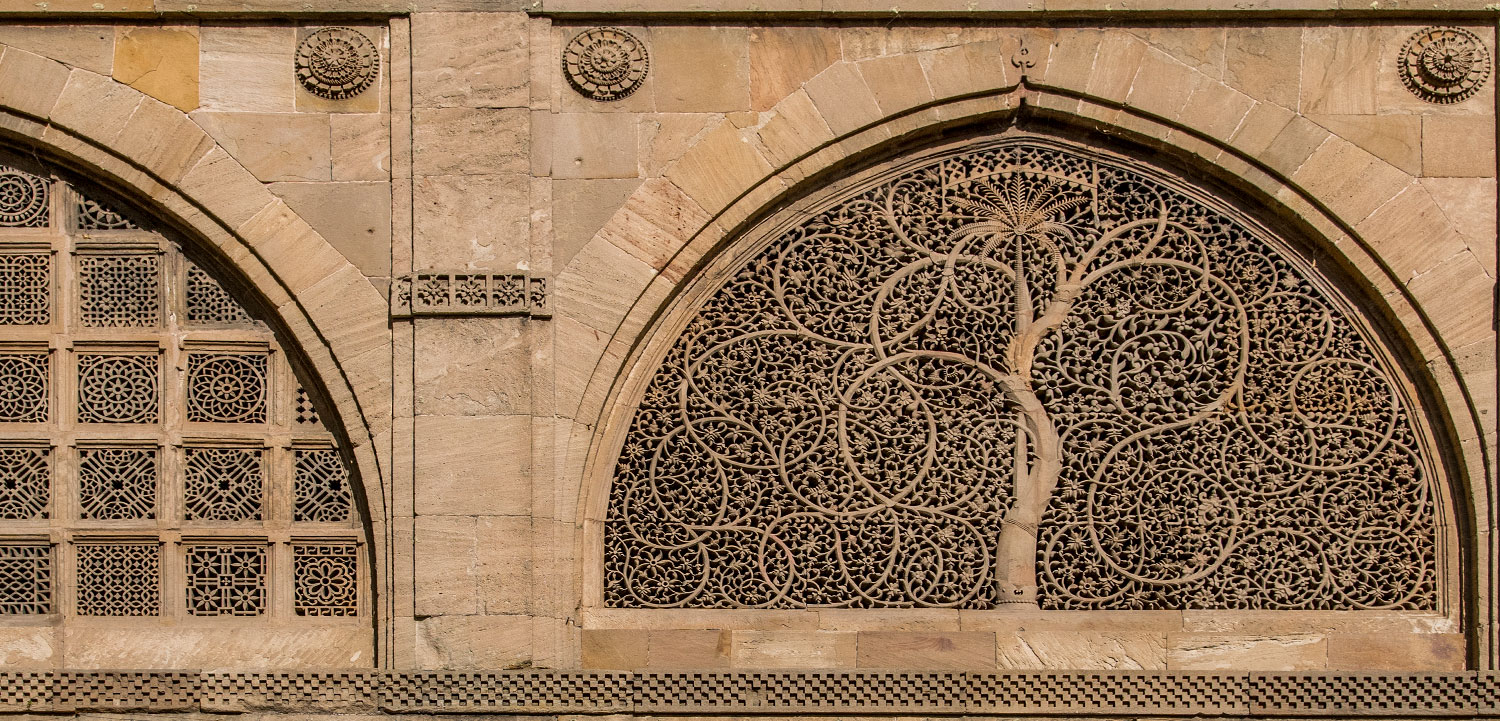
The Sidi Saiyyed Mosque, commonly referred to as "Sidi Saiyyid ki Jali" or "Sidi Saiyyid ni Jali," is a historic architectural gem located in Ahmedabad, Gujarat, India. Built in 1572-73 AD (Hijri year 980), it is celebrated for its exquisite stone latticework, which has become an enduring symbol of the city. According to a marble inscription affixed to the mosque?s wall, it was constructed by Shaikh Sa'id Al-Habshi Sultani, an eminent figure of his time. Sidi Sa'id was originally a Habshi (Abyssinian) slave under Rumi Khan, a Turkish general who had traveled to Gujarat from Yemen, accompanied by his slaves. Sidi Sa'id?s journey from servitude to prominence is remarkable; after serving under Sultan Mahmud III, he joined the Abyssinian general Jhujhar Khan. Following his retirement from military service, he was granted a jagir (land grant) by Jhujhar Khan. Throughout his career, Sidi Sa'id emerged as a distinguished nobleman, known not only for his military contributions but also for his cultural and philanthropic endeavors. He amassed a vast library, owned over a hundred slaves, performed the Hajj pilgrimage, and established a langar (community kitchen) to serve the needy. The mosque stands on the site of an earlier brick structure, which Sidi Sa'id rebuilt into the enduring masterpiece it is today. Following his death in 1576, Sidi Sa'id was interred near the mosque, which had been completed during the waning years of the Gujarat Sultanate, just before the Mughal invasion. During the British colonial era, the mosque?s sacred purpose was disrupted, as it was repurposed into an office (or kachery) for the Mamlatdar of Dascrohi taluka. This transition saw the installation of doors, the conversion of the mosque?s mihrabs (prayer niches) into storage presses, and the application of whitewash to its interiors. The historic integrity of the site was eventually restored due to the intervention of Lord Curzon, then Viceroy of India. During an official visit to Ahmedabad, Lord Curzon, known for his conservation policies, directed the removal of the Mamlatdar?s office, ensuring the preservation of this architectural marvel. The mosque?s architecture is entirely arcuated and is best known for its ten intricately carved stone latticework windows (jalis) that adorn its sides and rear. These jalis are masterpieces of craftsmanship, showcasing geometrical patterns and artistic motifs. Two of the mosque's bays, adjacent to the central aisle, feature particularly iconic lattice stone slabs. These slabs are carved with intricate designs of intertwined trees, foliage, and a palm motif, representing a blend of naturalism and abstraction. Among these, the most celebrated jali, often referred to as the "Sidi Saiyyid Jali," has transcended its architectural role to become the unofficial emblem of Ahmedabad. This exquisite piece of craftsmanship has also inspired the logo design of the Indian Institute of Management Ahmedabad, cementing its cultural significance. Interestingly, the central window arch of the mosque, where another jali was expected, is instead filled with plain stone. This unadorned section has led to speculation that the mosque was left incomplete due to the Mughal conquest of Gujarat, which disrupted its construction. Despite this, the Sidi Saiyyed Mosque remains a timeless testament to the artistic and cultural zenith of the Gujarat Sultanate, celebrated for its unparalleled beauty and historical legacy.
Year of Built: 16th Century
Address: Bhadra Rd, Opposite Electricity House, Old City, Gheekanta, Lal Darwaja, Ahmedabad, Gujarat
Country: India
State: Gujarat
District: Ahmedabad
Pincode: 380001
Longitude: 72.581111
Latitude: 23.026944