
Indo Islamic Heritage


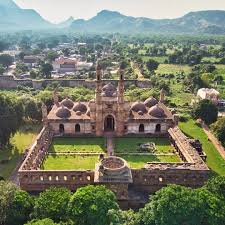
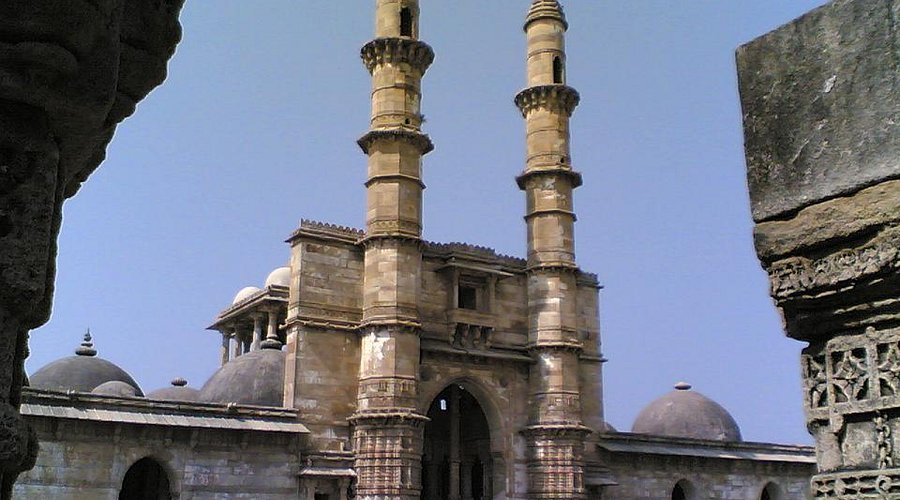
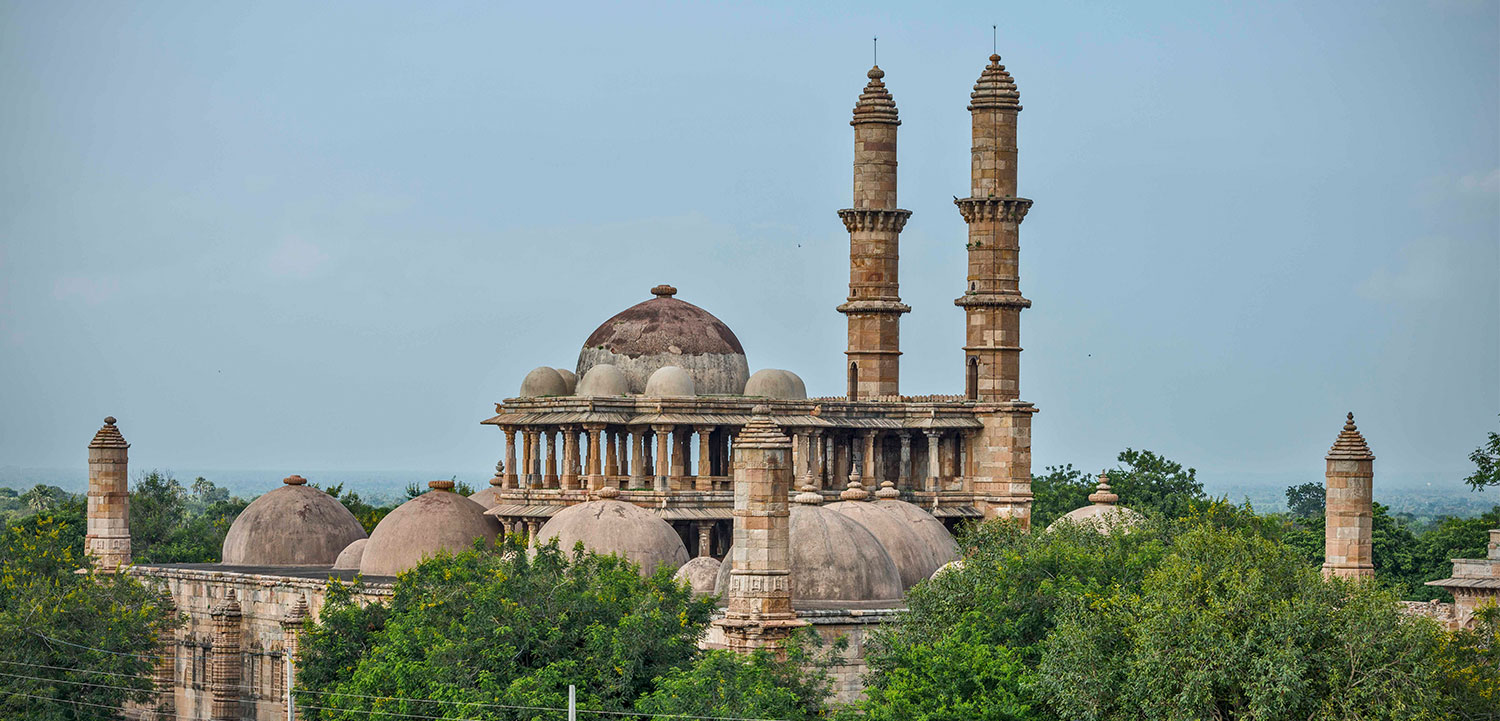
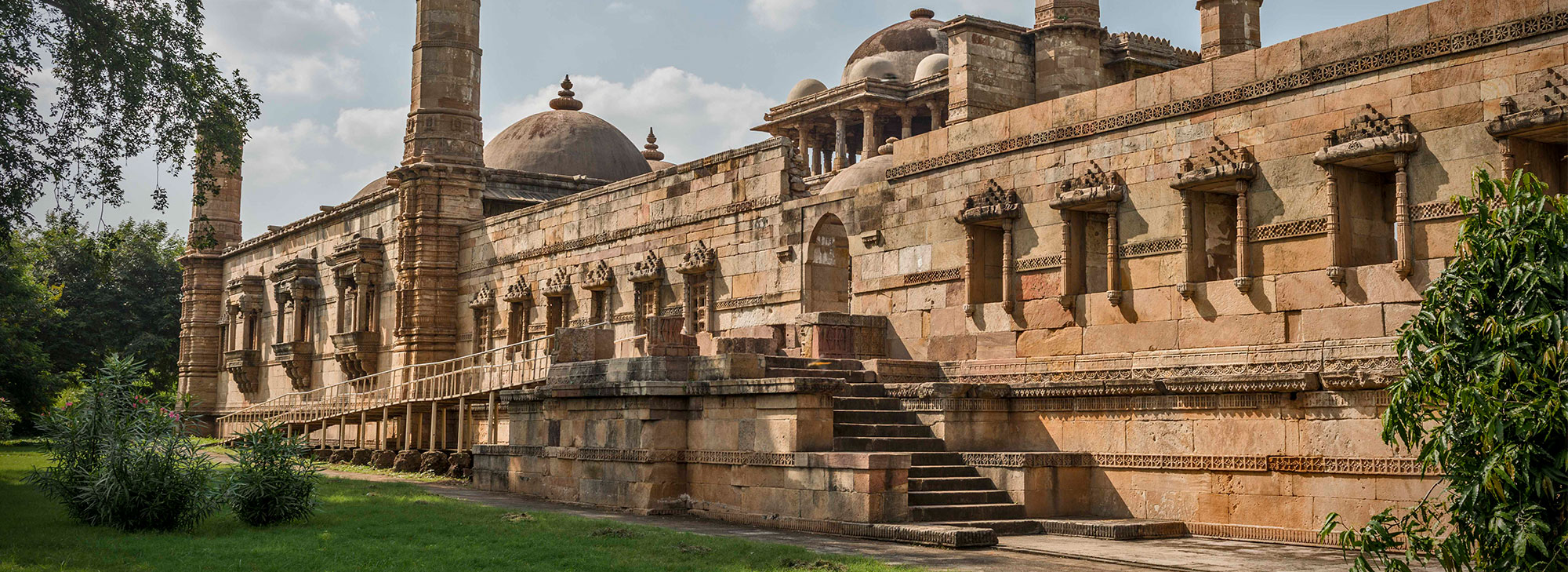
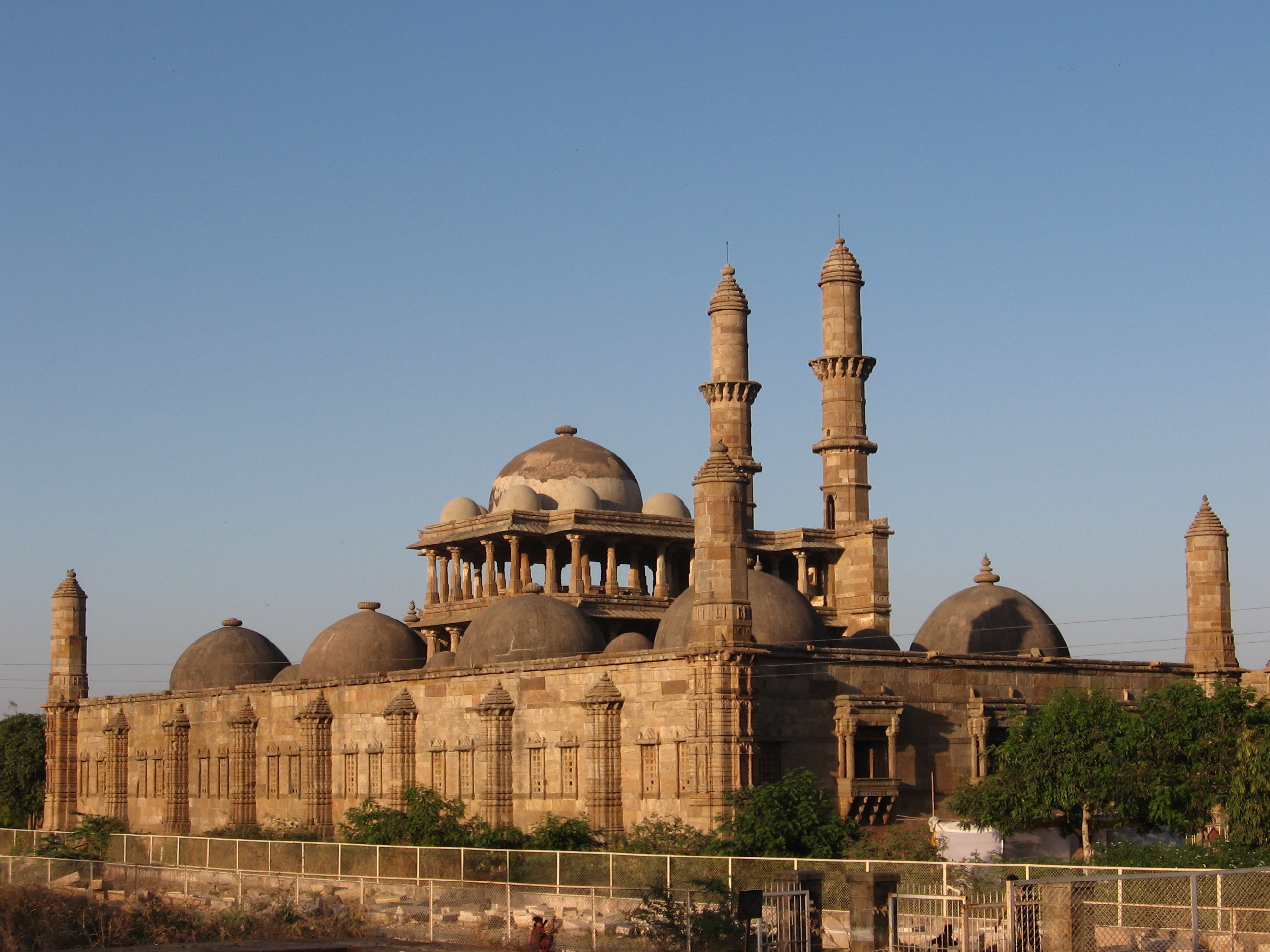
The masjid dates to 1513; construction was carried out over 25 years. It is one of the most notable monuments built by Sultan Mahmud Begada. The Nearest Bus Stand - Champaner ST Depot, Nearest Railway Station - Vadodara Railway Station Railway Station Nearest Airport- Vadodara Airport
Jami Masjid, also known as Jama Masjid, located in Champaner, Gujarat, is a remarkable monument that stands as a blend of Hindu and Muslim architectural influences. The mosque, constructed between 1513 and 1538, was built during the reign of Sultan Mahmud Begada, and it remains one of the most notable and well-preserved structures from his time. The mosque is part of the Champaner-Pavagadh Archaeological Park, which is a UNESCO World Heritage Site, and it is one of the 114 monuments in the region listed by the Baroda Heritage Trust. Positioned approximately 150 feet east of the city walls, near the east gate, it holds significant historical and architectural value. The architectural style of Jami Masjid is a unique amalgamation of Jain and Muslim traditions, reflecting a fusion of craftsmanship from different religious influences. The building incorporates grand Islamic domes that are characteristic of Mughal architecture, but also integrates decorative elements and motifs commonly found in Jain temples. These elements include symbols like the Sun, diamonds, pots, vines, and lotus insignia, which were originally used in the region?s Hindu temples. The mosque?s construction features sophisticated stonework, and the artists who worked on the mosque were skilled in a variety of techniques, not limited to any one religion. The result is a structure that represents both Islamic religious ethos and the region's Hindu architectural traditions. Jami Masjid is a two-storied structure with a rectangular layout, and it is designed with both Islamic and Hindu decorative elements. The plan of the mosque bears resemblance to that of the Sidi Saiyyed Mosque in Ahmedabad. The eastern entrance leads to a portico topped with a large dome, and access to the mosque is provided by steps from the northern and southern directions. The mosque?s most striking features include two tall, octagonal minarets, which rise 30 meters (98 feet) on either side of the main entrance. These minarets are adorned with intricate carvings and add to the mosque?s grandeur. The outer fa?ade of the mosque is further embellished with oriel windows, a distinctive feature of Gujarat?s architectural style, showcasing fine carvings on the surface. Inside the mosque, the main prayer hall is supported by 200 pillars, creating a spacious and impressive interior. The hall itself is dominated by eleven domes, with the central dome being particularly notable. It is a double-storied structure supported by a series of pillars arranged in an arcade style. The mosque also includes a ruler?s prayer hall, which is separated from the main area by intricately carved jalis. Notably, the main dome features a double clerestory, which allows for ample natural light to illuminate the prayer hall. Additional interior features of the mosque include a maqsurah screen, which is an arcuate structure for separating the ruler?s space, and a zanana enclosure that was historically reserved for women. The grounds surrounding Jami Masjid are equally remarkable, with tombs placed adjacent to the mosque, designed in a square shape and topped with domes. These tombs are decorated with detailed carvings and reflect the same architectural aesthetic found in the mosque itself. In the garden area, an ablution tank, designed in the shape of an octagonal kund, is present. This tank was traditionally used for washing before prayer and for collecting rainwater, serving both a functional and aesthetic purpose. The mosque is also a site of pilgrimage for devotees, particularly those seeking blessings from the pir, whose tomb is located in one corner of the garden. This rich blend of history, architecture, and religious significance makes Jami Masjid one of the finest mosques in Western India and an important cultural landmark in Gujarat.
Year of Built: 15th Century
Address: Champaner, Gujarat
Country: India
State: Gujarat
District: Vadodara
Pincode: 389360
Longitude: 73.5371
Latitude: 22.4859